
Safeguarding Level 3 is usually refreshed every 2 to 3 years, but the right renewal time depends on your role, setting, employer policy, certificate expiry date and local safeguarding procedures.

Safeguarding Level 3 is usually refreshed every 2 to 3 years, but the right renewal time depends on your role, setting, employer policy, certificate expiry date and local safeguarding procedures.

Compare Safeguarding Level 3 training options, including online CPD, live virtual, face-to-face, adults, children, combined and DSL-focused courses. The right choice depends on your role, setting, employer requirements and local safeguarding procedures.

Safeguarding Level 3 teaches practical skills for recognising abuse, responding to concerns, reporting risks, keeping clear records, sharing information safely and following workplace safeguarding procedures.

You can find safeguarding Level 3 training through NHS routes, local safeguarding partnerships, employer portals and online CPD providers. The right course depends on your role, setting, employer policy and local safeguarding procedures.

Safeguarding Level 4 requirements depend on your role, sector and employer. Some roles may expect Level 3 knowledge, seniority, experience or registration, while CPD courses support learning rather than replacing workplace sign-off.

Safeguarding Level 4 training is usually for senior, named, lead or specialist roles. It may apply to people who manage complex concerns, advise staff, supervise safeguarding practice, or work with external agencies.

Safeguarding Level 4 training can help senior staff, managers and safeguarding leads feel more confident with complex concerns, referrals, record keeping, escalation and multi-agency working.

Learning online in hot weather can feel tiring, especially when your room, laptop and body all feel too warm. Simple changes like studying earlier, drinking water, closing blinds and taking short breaks can make online learning much easier.
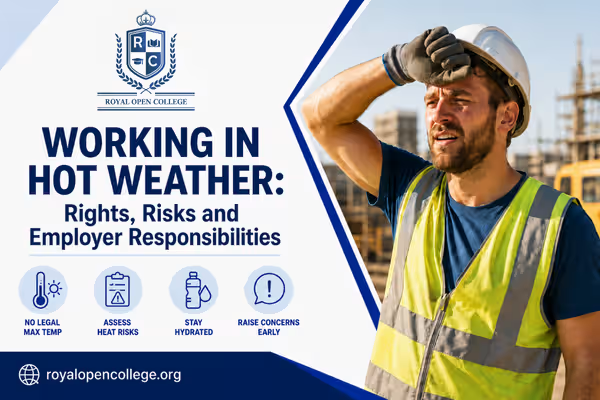
There is no legal maximum working temperature in the UK, but employers must still manage heat risks. This FAQ explains worker rights, employer duties, vulnerable staff support and practical hot weather safety steps.
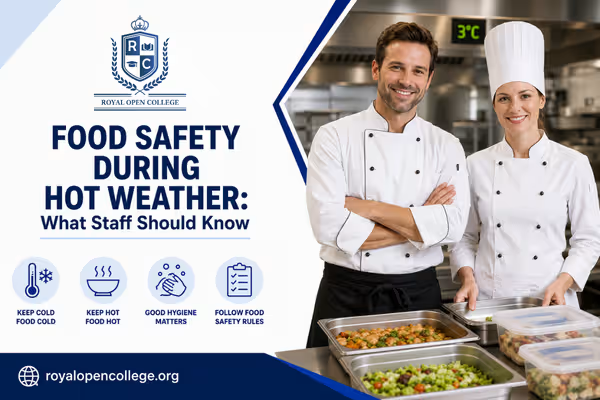
Hot weather can make food safety harder because food warms faster and bacteria can grow more quickly. Staff should keep chilled food cold, hot food hot, prevent cross-contamination, manage leftovers carefully, and follow workplace food safety procedures.













Not a member yet? Register now
Are you a member? Login now