





Emergency First Aid At Work
The emergency first aid at work course is a CPD-accredited, HSE-aligned qualification designed for UK workplaces requiring trained first aiders. Learn CPR, AED use, and essential emergency response skills trusted by employers, gain confidence to act fast in critical situations, and receive instant certification to meet workplace first-aider requirements.
Overview
What You’ll Learn
Overview
Our CPD Accredited & HSE Compliant Emergency First Aid at Work (EFAW) Course is a trusted emergency first aid at work course designed to meet UK workplace first aider requirements under Health and Safety Executive (HSE) guidance. This course equips employees, supervisors, and designated first aiders with essential life-saving skills needed to respond confidently to workplace emergencies.
You’ll learn how to act quickly and effectively in incidents involving collapse, injury, or sudden illness, including CPR, AED use, and emergency response techniques recognised by UK employers. Aligned with HSE expectations and CPD-accredited, the training supports compliance while building real confidence in emergency situations.
With flexible online study, clear step-by-step guidance, and recognised certification after completion, this Emergency First Aid at Work course is ideal for organisations and individuals seeking practical, employer-recognised first aid training that keeps workplaces safer and better prepared.
Key Highlights:
- Covers CPR, AED use, choking, bleeding, shock emergencies
- Fully CPD-accredited and aligned with HSE first aid guidance
- Meets employer expectations for designated workplace first aiders
- Flexible online or blended learning with self-paced study
- Order a PDF certificate immediately after successful completion
Gift Courses
- Course 01: FIRST AID
- Course 02: Fire Safety Training
Accreditation & Recognition
This Emergency First Aid at Work course is accredited and recognised to meet UK workplace expectations, giving employers and learners confidence that training aligns with HSE guidance and professional CPD standards.
- CPD-accredited and UK recognised first aid certification
- Aligned with HSE guidance for workplace first aider compliance
- Recognised by UK employers across multiple industry sectors
- 100% online learning with optional blended practical assessment
- Online assessment with instant results and practical option
- Valid for three years following HSE recommended renewal cycle
- Globally trusted CPD certification supporting workplace safety standards
Assessment & Certification
This assessment process confirms your understanding of essential emergency first aid skills while keeping learning flexible and stress-free, ensuring you meet workplace expectations and gain recognised certification without unnecessary barriers.
- Online multiple-choice exam assessing essential emergency first aid knowledge
- 60% pass mark required to demonstrate workplace first aider competence
- Unlimited free retakes included with no additional costs
- Order a digital CPD-accredited certificate upon successful completion
- Employer-recognised and aligned with HSE first aid guidance
Who Is This Course For?
This course is designed for employees, employers, and self-employed individuals who need practical, HSE-aligned first aid training to meet workplace safety responsibilities and respond confidently to emergencies.
- Workplace staff appointed as designated first aiders
- Office and retail employees in low-risk environments
- Warehouse, manufacturing, and logistics team members
- Hospitality and customer-facing staff handling public incidents
- Construction and trade professionals requiring emergency readiness
- Self-employed workers needing compliant first aid training
- Employers meeting HSE workplace first-aider requirements
Career Opportunities & Progression
Completing this Emergency First Aid at Work course prepares you for recognised first-aider responsibilities across UK workplaces and strengthens your professional profile. It also provides a solid foundation for progressing into advanced first aid and health & safety roles.
Typical roles and progression paths include:
- Trained Workplace First Aider – £20,000–£26,000
- Health & Safety Representative – £25,000–£35,000
- Fire Marshal / Safety Marshal (with paired training) – £22,000–£30,000
- Team Supervisor with First-Aid Duties – £28,000–£38,000
- Emergency Response or Safety Support Roles – £30,000+
Many learners progress to Level 3 First Aid at Work (FAW), Paediatric First Aid, or Mental Health First Aid, expanding responsibility, employability, and earning potential while supporting safer workplaces.
Key Skills You’ll Gain
This course builds practical, safety-critical skills that help you respond confidently to workplace emergencies, support injured colleagues effectively, and meet employer expectations for trained first aiders.
- Confidence to respond quickly and effectively during workplace emergencies
- Perform CPR and use an AED correctly and safely
- Assess risks and prioritise actions in emergency situations
- Communicate clearly with casualties, colleagues, and emergency services
- Manage bleeding, burns, fractures, and other common injuries
- Maintain accurate records and complete incident reporting correctly
- Make calm, informed decisions under pressure and stress
Why Study with Royal Open College
Royal Open College delivers trusted, CPD-accredited first aid training designed for UK workplaces, combining HSE-aligned content, flexible online learning, and instant certification to help you respond confidently in emergencies.
- CPD-accredited training recognised and trusted by UK employers
- Course content aligned with HSE first aid guidance
- Flexible online learning that fits around work commitments
- Order PDF certificate with transparent pricing, no hidden fees
- Dedicated learner support throughout your first aid training journey
Enrol today and earn your CPD-accredited Emergency First Aid at Work certificate. Gain life-saving confidence and be ready when every second counts.
Curriculum Description
This Emergency First Aid at Work course provides essential knowledge and practical skills to respond confidently to workplace emergencies. It covers life-saving techniques, injury management, incident assessment, legal responsibilities, and effective communication to ensure employee safety and rapid, competent first aid response.
Module 01: Introduction to First Aid
This module introduces the role of a first aider and the importance of first aid in workplace safety. You will learn responsibilities, workplace expectations, and how effective first aid reduces risk, preserves life, and promotes recovery after an accident or sudden illness.
Module 02: Primary Survey
You will learn how to conduct a structured primary survey to assess immediate threats to life. This module explains the ABC approach (Airway, Breathing, Circulation), recognising life-threatening conditions, and deciding rapid interventions before emergency services arrive.
Module 03: Secondary Survey
This module focuses on the secondary survey conducted after immediate life threats are addressed. You will learn to examine for injuries, record observations, check vital signs, and identify less obvious issues that require prompt attention to prevent complications.
Module 04: Basic Life Support
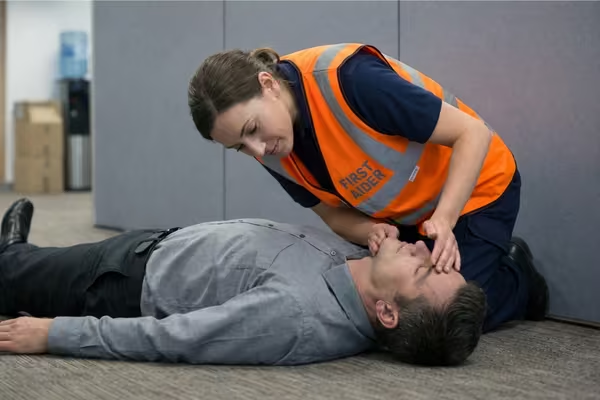
You will learn the principles of basic life support (BLS) for adults, including CPR techniques and airway management. This module explains how to maintain circulation, support breathing, and respond calmly and effectively to cardiac arrest situations in the workplace.
Module 05: Call for an Emergency
This module teaches how and when to call emergency services to ensure timely intervention. You will learn what critical information to provide, prioritising care, and maintaining calm while communicating clearly with responders for optimal patient outcomes.
Module 06: Basic First-Aid Techniques
You will explore essential first-aid procedures such as bandaging, splinting, and immobilisation. This module emphasizes safe techniques, correct positioning, and practical interventions that stabilise injuries and reduce further harm before professional care is provided.
Module 07: Wounds and Bleeding
This module covers the management of cuts, lacerations, and severe bleeding. You will learn techniques for controlling haemorrhage, preventing infection, and monitoring circulation while maintaining calm reassurance to the injured person.
Module 08: Burns and Scalds
You will learn how to recognise and treat burns and scald injuries of varying severity. This module explains cooling procedures, dressing application, pain management, and when to seek professional medical care for effective first-aid intervention.
Module 09: Fractures and Soft Tissue Injuries
This module teaches how to identify and manage fractures, sprains, and strains. You will learn immobilisation techniques, safe handling, pain reduction strategies, and monitoring for complications to prevent further injury until advanced medical care is available.
Module 10: Head and Spinal Injuries
You will explore recognition and initial management of head, neck, and spinal injuries. This module emphasizes maintaining spinal alignment, minimising movement, recognising red flags, and providing reassurance while awaiting emergency services.
Module 11: Eye Injuries
This module covers common eye injuries such as chemical exposure, foreign bodies, and trauma. You will learn safe removal techniques, irrigation procedures, and when immediate professional care is required to prevent permanent damage.
Module 12: Bites and Stings
You will learn how to manage insect bites, animal bites, and stings. This module explains wound cleaning, allergic reaction recognition, infection prevention, and when urgent care or medical referral is necessary for safe recovery.
Module 13: Environmental Emergencies
This module addresses emergencies caused by heat, cold, and other environmental factors. You will learn to recognise heatstroke, hypothermia, and dehydration, and implement appropriate first-aid interventions to stabilise individuals before professional assistance.
Module 14: Chest Pains and Heart Attacks
You will study the signs and symptoms of cardiac events such as heart attacks and angina. This module explains immediate response, administration of CPR if needed, use of automated external defibrillators (AEDs), and prompt emergency notification.
Module 15: Strokes and Fainting
This module explains recognition and first aid for strokes and fainting incidents. You will learn to identify early warning signs, support the patient safely, monitor vital signs, and provide accurate information to emergency responders to optimise outcomes.
Module 16: Respiratory Emergencies
You will explore management of breathing difficulties, choking, and airway obstruction. This module teaches safe intervention techniques, effective use of recovery positions, and rapid escalation for professional care when airway compromise is suspected.
Module 17: Poisoning and Anaphylaxis
This module covers chemical, food, and medication poisoning, as well as life-threatening allergic reactions. You will learn early recognition, administration of epinephrine for anaphylaxis, supportive care, and procedures for rapid medical escalation to prevent serious harm.
Module 18: Seizures
You will study different types of seizures and how to respond safely. This module explains protecting the individual from injury, timing the episode, managing post-seizure confusion, and ensuring appropriate monitoring until professional care arrives.
Module 19: Illnesses and Infections
This module examines common workplace illnesses and infections requiring first aid. You will learn symptom recognition, isolation strategies, hygiene measures, and safe supportive care while preventing the spread of infection to others.
Module 20: Child and Infant First Aid
You will learn essential first aid techniques specific to infants and children. This module covers CPR, choking management, and emergency responses adapted to developmental differences, ensuring effective care for younger patients in the workplace or home environments.
Module 21: Water Safety and Drowning
This module focuses on preventing and responding to drowning incidents and water-related emergencies. You will learn rescue principles, safe handling, CPR after submersion, and safety strategies for water environments to reduce the risk of injury or fatality.
Module 22: Psychological First Aid
You will explore the principles of psychological support during emergencies. This module explains how to provide calm reassurance, reduce anxiety, encourage cooperation, and maintain emotional wellbeing for injured individuals and witnesses during critical incidents.
Module 23: Secondary Illness, Loss of Responsiveness and CPR
This module expands on recognising secondary conditions that may follow initial injuries or illness. You will learn how to reassess consciousness, perform CPR effectively, and identify deterioration to prevent further harm until professional intervention arrives.
Module 24: Call for an Emergency
You will revisit emergency communication techniques and escalation procedures. This module reinforces the importance of clear, concise information sharing, providing essential details to emergency responders for rapid and effective medical intervention in the workplace.
Module 25: Emergency Medical Services (EMS)
This module introduces the role and function of EMS teams during workplace emergencies. You will learn how to liaise with paramedics, provide accurate handover information, and support professional responders to ensure efficient patient care and continuity of treatment.
Module 26: Incident Management
You will explore effective approaches to managing emergencies in the workplace. This module explains leadership roles, coordination of first aiders, scene safety, and decision-making strategies to maintain control, prevent panic, and optimise response outcomes.
Module 27: Emergency Planning and Preparedness
This module focuses on planning for potential emergencies before they occur. You will learn to develop first-aid policies, evacuation plans, training schedules, and preparedness strategies to ensure staff are confident, equipped, and ready to respond efficiently.
Module 28: Risk Assessment and Management
You will study how to identify hazards and assess workplace risks to prevent emergencies. This module explains risk reduction strategies, control measures, and monitoring to minimise incidents, creating a safer environment for employees and visitors alike.
Module 29: Legal Framework for Workplace First Aid
This module outlines the legal responsibilities of employers, managers, and first aiders. You will learn about statutory obligations, workplace regulations, duty of care, and how compliance ensures both staff safety and organisational protection from liability.
Module 30: Communication and Record Keeping
You will learn how to document first-aid incidents accurately and maintain clear communication within the workplace. This module emphasizes written records, incident reporting, confidentiality, and the importance of clear documentation to support follow-up care and legal compliance.
Curriculum
- 5 Sections
- 63 Lessons
- Lifetime Access
- Emergency First Aid At Work30
- 1.1Module 01: Introduction to First Aid
- 1.2Module 02: Primary Survey
- 1.3Module 03: Secondary Survey
- 1.4Module 04: Basic Life Support
- 1.5Module 05: Call for an Emergency
- 1.6Module 06: Basic First-Aid Techniques
- 1.7Module 07: Wounds and Bleeding
- 1.8Module 08: Burns and Scalds
- 1.9Module 09: Fractures and Soft Tissue Injuries
- 1.10Module 10: Head and Spinal Injuries
- 1.11Module 11: Eye Injuries
- 1.12Module 12: Bites and Stings
- 1.13Module 13: Environmental Emergencies
- 1.14Module 14: Chest Pains and Heart Attacks
- 1.15Module 15: Strokes and Fainting
- 1.16Module 16: Respiratory Emergencies
- 1.17Module 17: Poisoning and Anaphylaxis
- 1.18Module 18: Seizures
- 1.19Module 19: Illnesses and Infections
- 1.20Module 20: Child and Infant First Aid
- 1.21Module 21: Water Safety and Drowning
- 1.22Module 22: Psychological First Aid
- 1.23Module 23: Secondary Illness, Loss of Responsiveness and CPR
- 1.24Module 24: Call for an Emergency
- 1.25Module 25: Emergency Medical Services (EMS)
- 1.26Module 26: Incident Management
- 1.27Module 27: Emergency Planning and Preparedness
- 1.28Module 28: Risk Assessment and Management
- 1.29Module 29: Legal Framework for Workplace First Aid
- 1.30Module 30: Communication and Record Keeping
- Order Your Certificate!1
- Leave a Review!1
- FIRST AID16
- 4.1Module 01: Overview of First Aid and its Importance
- 4.2Module 02: Assessing the Scene and the Victim
- 4.3Module 03: CPR for Adults, Children & Infants
- 4.4Module 04: Wound Care
- 4.5Module 05: Musculoskeletal Injuries
- 4.6Module 06: Head, Neck, and Spinal Injuries
- 4.7Module 07: Chest and Abdominal Injuries
- 4.8Module 08: Burns
- 4.9Module 09: Environmental Emergencies
- 4.10Module 10: Poisoning
- 4.11Module 11: Allergic Reactions
- 4.12Module 12: Cardiac Emergencies
- 4.13Module 13: Neurological Emergencies
- 4.14Module 14: Trauma Emergencies
- 4.15Module 16: Disaster Preparedness
- 4.16Module 15: Paediatric Emergencies
- Fire Safety Training15
- 5.1Module 1: Introduction to Fire Safety
- 5.2Module 2: Fire Safety Legislation
- 5.3Module 3: Fire Risk Assessment & Prevention
- 5.4Module 4: Fire Safety Management
- 5.5Module 5: Building Design and Fire Safety
- 5.6Module 6: Electrical Safety and Fire Hazards
- 5.7Module 7: Chemical and Hazardous Material Safety
- 5.8Module 8: Fire Investigation and Analysis
- 5.9Module 9: Fire Safety and Human Behaviour
- 5.10Module 10: Fire Safety in the Workplace
- 5.11Module 11: Fire Safety and the Environment
- 5.12Module 12: Fire Safety and Construction
- 5.13Module 13: Fire Safety and Transportation
- 5.14Module 14: Fire Safety and Community
- 5.15Module 15: Fire Safety and Technology