



Care Certificate Answers: How to Complete All 16 Standards Correctly

Care Certificate Answers: How to Complete All 16 Standards Correctly

Care Certificate answers explained the right way. This UK guide shows how to complete all 16 updated standards using real workplace examples, evidence-based guidance, and assessor-aligned structures. You learn what to write, how to evidence practice, and how to avoid common mistakes, so your answers reflect competence, not copied text.

Safeguarding Level 5 Explained: Strategic Leadership Training in the UK

Safeguarding Level 5 Explained: Strategic Leadership Training in the UK

Safeguarding Level 5 sits at the top of the UK safeguarding competency framework, yet online advice often blurs healthcare, education, and course sales language. This article cuts through that confusion. It explains Level 5 roles, strategic safeguarding duties, legal context, evidence of competence, and the checks employers and learners should make before relying on a provider’s claim.

Safeguarding Level 2 Explained: Who Needs It and What It Covers

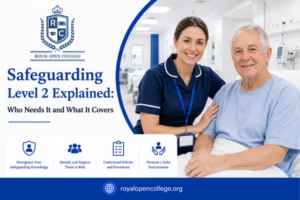
Safeguarding Level 2 Explained: Who Needs It and What It Covers

Safeguarding Level 2 is crucial for staff who have regular contact with children, adults, and vulnerable groups. This guide explains who needs it, what it covers, and how requirements differ across healthcare, schools, and care settings. Understand how to choose the right course and stay compliant with sector standards.

10 Best Online Learning Platforms in 2026 UK Courses, Certificates and CPD

10 Best Online Learning Platforms in 2026: UK Courses, Certificates and CPD

Online learning costs more than the monthly price suggests, and some certificates count for nothing at an annual review. This UK guide compares 10 pla566tforms by goal and cost per certificate, explains how to judge course quality, and lists free and funded routes in England, including the Lifelong Learning Entitlement, Free Courses for Jobs and Skills Bootcamps.

What Is Safeguarding Level 1 Training? A Complete UK Guide

What Is Safeguarding Level 1 Training? A Complete UK Guide

Over 615,000 adult safeguarding concerns were raised in England in 2023 to 2024. Safeguarding awareness applies to every worker, not just frontline staff. But Safeguarding Level 1 means different things depending on where you work. This guide covers the NHS framework, education requirements, social care standards, refresher rules by sector, and the legal basis most guides get completely wrong.

Level 4 vs Level 5 Safeguarding: Which Do You Need

Level 4 vs Level 5 Safeguarding: Which Do You Need?

Level 4 and Level 5 safeguarding often sound like a simple ladder. They are not. This guide explains the real split between provider level safeguarding leadership and strategic system oversight. It also shows why healthcare frameworks give the clearest answer, why GP practice leads sit outside many broad claims, and why course titles often confuse readers more than they help.

Safeguarding Level 3 vs Level 4: What Is the Difference

Safeguarding Level 3 vs Level 4: What Is the Difference

Level 3 and Level 4 safeguarding training are not simply steps on the same ladder. Level 4 applies to Named Professionals in specific NHS roles, not to all senior staff. This guide uses the current Intercollegiate Document, RCGP October 2024 standards, and KCSIE 2025 to explain which level applies to your role and why.

When Do You Need Level 4 Safeguarding Training

When Do You Need Level 4 Safeguarding Training

Level 4 safeguarding training applies to specific named and designated roles, not all senior safeguarding staff. Requirements differ across healthcare, education, and social care. This guide names the exact roles, corrects the most common mistakes, and explains what valid Level 4 evidence looks like for CQC and Ofsted inspections.

What Is Safeguarding Level 4

What Is Safeguarding Level 4 and Who Needs It in the UK?

Safeguarding Level 4 often sounds simple until you compare job titles, course pages, and employer guidance. This article cuts through that confusion. It shows who usually needs Level 4 in health and care, why ordinary practice safeguarding leads often sit at Level 3, how adult and child safeguarding differ, and what to check before paying for training.

Never Miss a Moment of Inspiration Ever Again!

Subscribe to our mailing list, which includes our weekly newsletter for creatives, plus news, expert tips and special offers from Skillshare!


    By subscribing, you agree to Skillshare’s Terms of Service and Privacy Policy, and consent to receive marketing communications at the provided email address. You can unsubscribe at any time.