







Safeguarding Adults Consultancy Companies In The UK

Safeguarding Adults Consultancy Companies In The UK

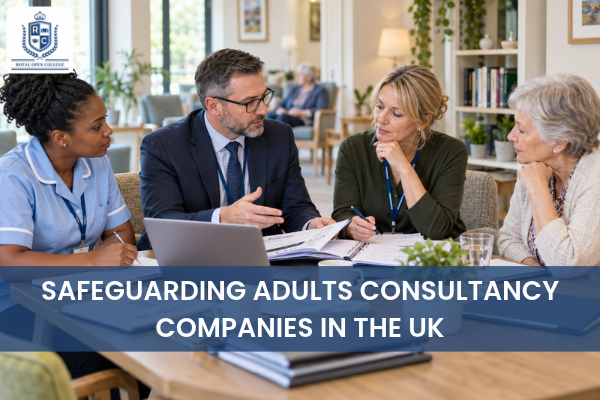
Safeguarding policies need to reflect everyday practice but knowing where to make changes can require specialist support. Organisations such as SCIE, Ann Craft Trust and Athena offer adult safeguarding consultancy. Their services cover different needs, from policy reviews to organisational audits. Explore how they compare and what to ask before choosing support for your team.

Finding the right safeguarding adults consultancy starts with understanding where your organisation needs support, whether that means reviewing recurring concerns or improving how staff respond. Organisations such as SCIE, Ann Craft Trust and Athena offer services including safeguarding audits, policy reviews and advice on organisational practice. Identifying what you want to improve helps you compare their services and choose support that meets your organisation’s needs. 

Alongside consultancy, staff may need learning that reflects their responsibilities and employer requirements. Royal Open College’s Level 3 Safeguarding Adults course provides online CPD study to support safeguarding knowledge. This learning serves a different purpose from reviewing your organisation’s policies or practice.

Quick Recap

  • Adult safeguarding consultancy can help organisations review their policies, systems and everyday practice.
  • Choose support that matches your sector, UK nation and the specific work required.
  • CPD learning supports staff development but does not replace consultancy or workplace competency checks.

Which Organisations Offer Safeguarding Adults Consultancy In The UK?

SCIE, Ann Craft Trust and Athena provide consultancy covering adult safeguarding systems, policies and practice. These options include charitable organisations as well as commercial providers.

Use these examples to identify services worth discussing rather than treating the list as a ranking. Describe your setting when contacting a provider and confirm their experience with similar adult safeguarding work.

A provider offering both children’s and adults’ services should explain who will handle your adult safeguarding project. Request relevant examples of previous work without seeking confidential client information.

What Can An Adult Safeguarding Consultant Help With?

An adult safeguarding consultant can review organisational arrangements and recommend changes to strengthen safeguarding practice. The agreed brief should explain which areas they will examine and what you will receive.

Depending on the service commissioned, this could include:

  • Reviewing whether policies explain reporting routes and responsibilities clearly.
  • Examining case records to identify gaps in recording or follow-up.
  • Speaking with staff and people using services about their experiences.
  • Helping leaders strengthen oversight and accountability.
  • Identifying learning needs through findings from the review.

For example, a care manager might commission a review after noticing inconsistent records across several teams. The consultant could examine whether unclear procedures or gaps in supervision contribute to the problem.

Request recommendations that identify priorities and practical actions. Your organisation can then assign responsibility and agree how progress will be checked.

How Should You Choose A Safeguarding Adults Consultant?

Choose a consultant with relevant adult safeguarding experience and a clear approach to your organisation’s needs. Start by describing the decision or problem you want their work to address.

Before appointing someone, ask:

  • What experience do you have with services like ours?
  • Which UK nation’s legislation and local procedures will inform your work?
  • Who will carry out the project and what expertise do they bring?
  • How will adults receiving support contribute their views?
  • Do you have any relationships that could affect your independence?
  • How will you handle sensitive records and explain confidentiality limits?

Look for answers that explain how the consultant will work with your team. A proposal should show how they will gather evidence and reach their conclusions.

If your service operates across UK nations, request a clear approach for each location.

What Should A Safeguarding Consultancy Quote Include?

A safeguarding consultancy quote should explain the scope, deliverables, fees and terms before you commit. Give shortlisted providers the same written brief so you can compare their proposals fairly.

What Should A Safeguarding Consultancy Quote Include

Agree how the consultant will raise urgent concerns discovered during the work. This process should be clear before they begin reviewing records or speaking with staff.

Also identify who can approve changes to the brief. This helps your team manage additional work without unexpected commitments.

Does Hiring A Consultant Fulfil Your Safeguarding Responsibilities?

Hiring a consultant can support your safeguarding work but your organisation remains responsible for protecting people. The next step is putting their advice into practice across your service.

For CQC-regulated services in England, Regulation 13 requires effective systems to prevent abuse and investigate allegations. CQC’s guidance also places overall safeguarding responsibility at board level or its equivalent.

The CQC guidance on safeguarding under Regulation 13 explains these expectations. Commissioning an audit can help examine your arrangements, but the report alone cannot demonstrate effective practice.

Keep established reporting routes active throughout the project. Staff should respond promptly to concerns rather than waiting for the consultant’s final report.

What Mistakes Should You Avoid When Commissioning Consultancy?

Avoid commissioning consultancy without deciding how your organisation will use the findings. Even detailed recommendations offer limited value when nobody takes responsibility for acting on them.

Common pitfalls include:

  • Buying a policy template without considering how staff will use it.
  • Treating a completed audit as a guarantee of a favourable inspection outcome.
  • Requesting broad reassurance when you need answers about a specific concern.
  • Filing the final report without assigning actions or reviewing progress.

Before the project closes, arrange a meeting with those responsible for implementing changes. Use it to clarify recommendations and identify any barriers to putting them into practice.

Studying through Royal Open College (CPD learning)

The Level 3 Safeguarding Adults course supports CPD learning about recognising concerns, reporting and multi-agency working. Its educational purpose differs from consultancy, which examines your organisation’s arrangements.

This course is not a regulated qualification and completion alone does not prove workplace competence. Before enrolling, match its learning outcomes to identified gaps and your employer’s training requirements.

Recent Blogs

REPORT CHILD SAFEGUARDING CONCERNS THROUGH OFFICIAL CHANNELS

Report Child Safeguarding Concerns Through Official Channels

Reporting child safeguarding concerns starts with contacting the right service for the child’s area. Call 999 if they face immediate danger. Otherwise, the reporting route depends on where they live and the concern involved. Learn which official channels to use and what information to share. You’ll also understand how workplace procedures fit alongside reporting directly to services.

Adult Safeguarding Legislation UK Laws Explaine

Adult Safeguarding Legislation: UK Laws Explained

Protecting adults from harm starts with understanding the legal responsibilities behind everyday care. Those responsibilities vary across the UK, and several laws can apply to the same situation. Knowing how they fit together helps you make sense of your role. Explore the main legislation and what it means for safeguarding decisions in your workplace.

Vulnerable Adults Meaning And Safeguarding In The UK

Vulnerable Adults: Meaning And Safeguarding In The UK

What makes an adult vulnerable is not always obvious from their age or diagnosis. Understanding their situation means looking at the support they need and the challenges they face in protecting themselves from abuse or neglect. Explore how these factors shape vulnerability, why individual circumstances matter and what this means for recognising concerns in adult safeguarding.