






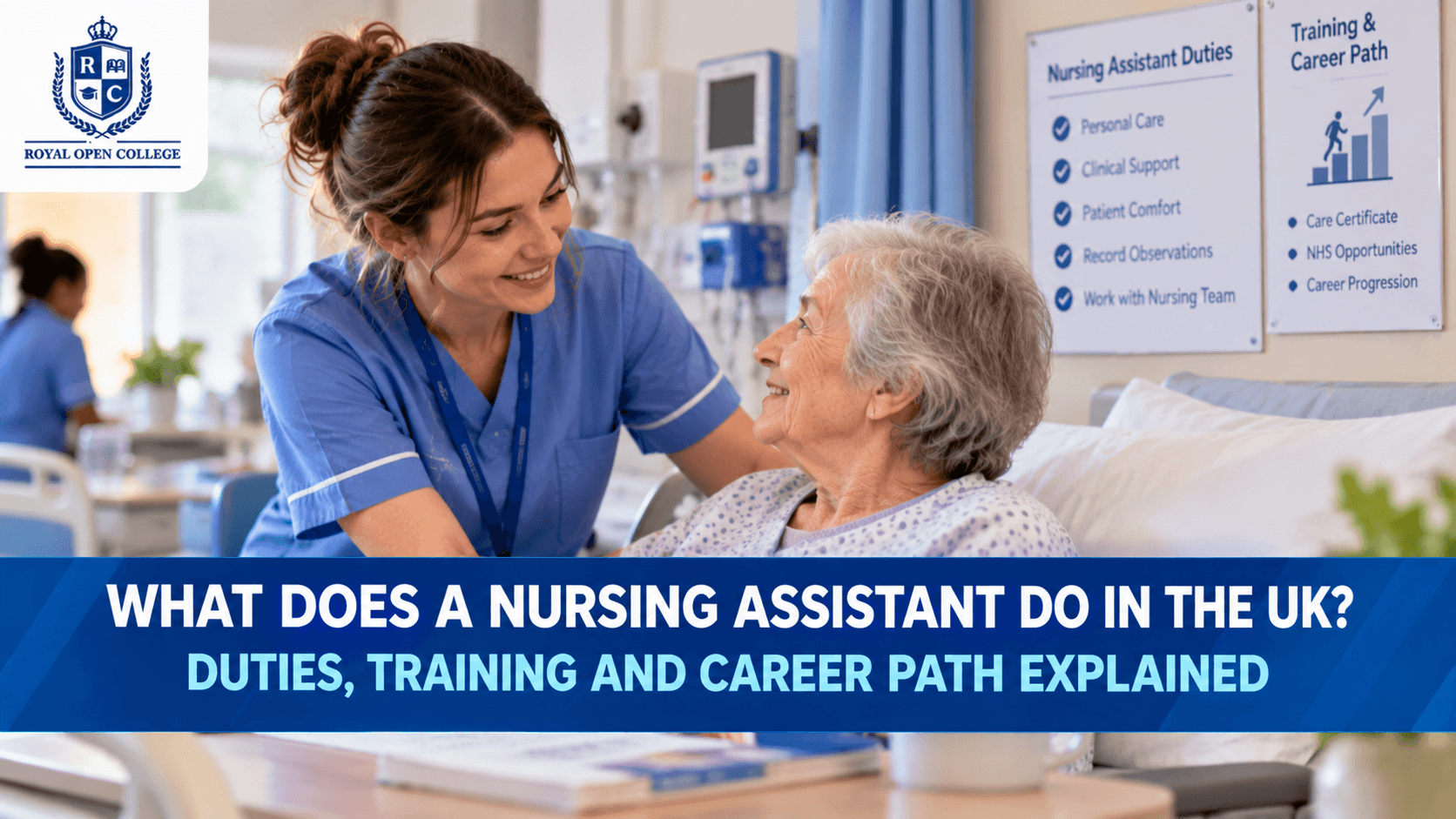
What Does a Nursing Assistant Do in the UK Duties, Training and Career Path Explained

What Does a Nursing Assistant Do in the UK? Duties, Training and Career Path Explained

A nursing assistant supports patients with personal care and delegated clinical tasks under supervision. This guide explains responsibilities, training pathways, NHS banding, Care Certificate requirements, recent updates, and how the role differs from US terminology, with clear regulatory context.

key_skills_needed_as_a_healthcare_assistant_in_the_uk

Key Skills Needed as a Healthcare Assistant in the UK

Healthcare Assistant skills in the UK are assessed through workplace competence, not job titles. This 2026 guide outlines the nine essential skills, explains delegation and supervision, clarifies medication myths, and breaks down regulatory expectations under CQC standards. Ideal for learners, practitioners, and employers seeking accurate guidance.

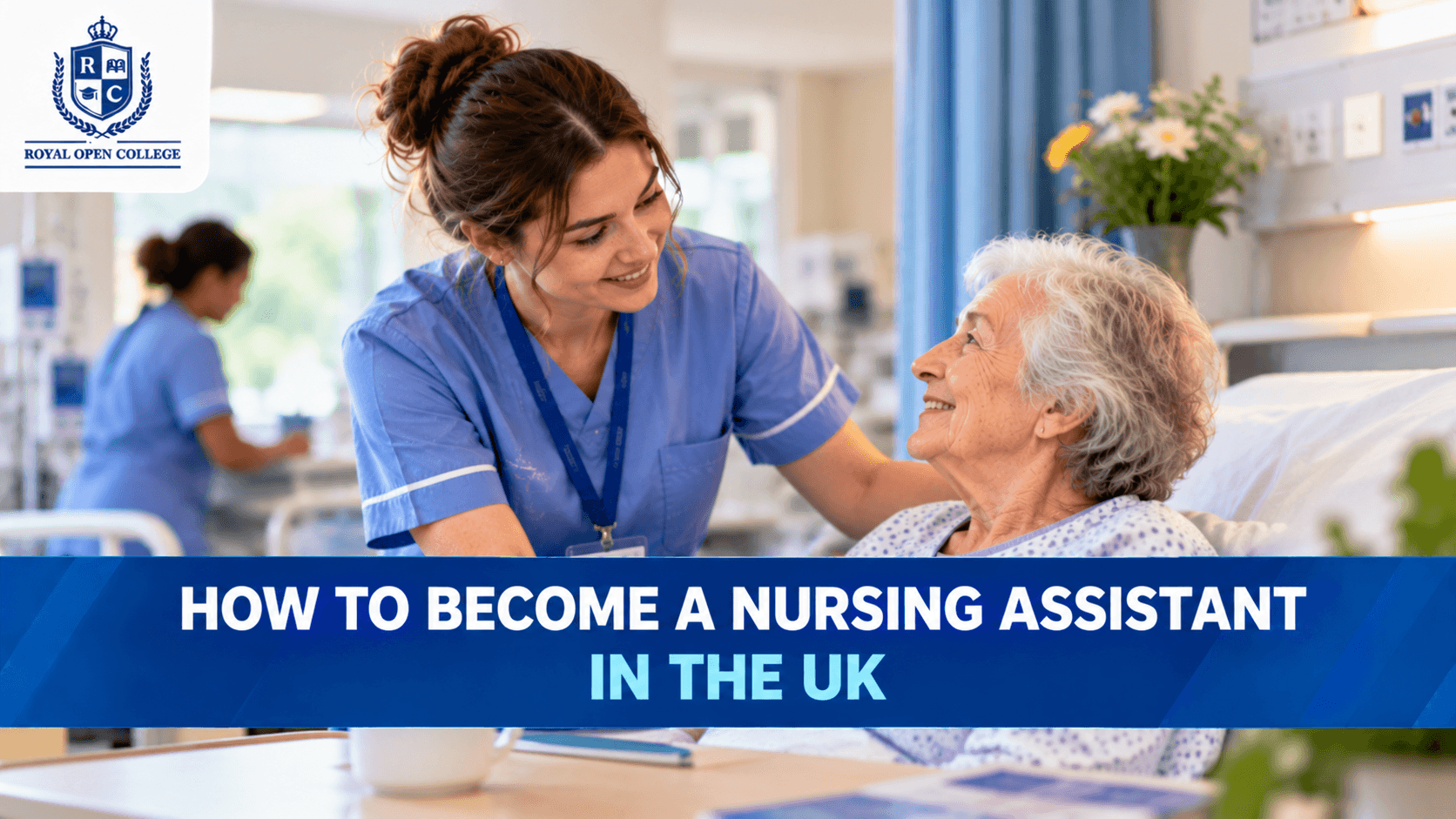
How to Become a Nursing Assistant in the UK

How to Become a Nursing Assistant in the UK

This guide explains how to become a Nursing Assistant without confusion or misleading claims. Learn what the role involves, what employers expect, how the Care Certificate 2025 update fits in, when DBS checks apply, and how NHS Band 2 and 3 roles work. Clear supervision rules, regulation facts, and progression to Nursing Associate are mapped step by step.

adult_and_child_nursing_in_the_uk

What Is the Difference Between Adult and Child Nursing in the UK?

In UK healthcare, adult and children’s nurses register under different NMC fields and practise within defined competence boundaries. The distinction influences communication style, medication management, safeguarding assessment and accountability standards. This article clarifies regulatory structure, education pathways and real clinical impact for students and career changers.

which_nursing_roles_tend_to_pay_more_in_the_uk_a_realistic_guide_to_higher_earning_careers

Which Nursing Roles Tend to Pay More in the UK? A Realistic Guide to Higher-Earning Careers

Many nurses search for the “highest-paid speciality,” but UK nursing pay follows a structured framework. Earnings depend on banding outcomes, role complexity, supplements, and employer decisions. This article breaks down how higher-banded roles are evaluated and what truly drives salary progression across the NHS and related settings.

legal_and_ethical_issues_in_healthcare

Legal and Ethical Issues in Healthcare

Healthcare workers in the UK face daily legal and ethical decisions. This guide explains patient rights, professional duties, consent, capacity, safeguarding, equality, and confidentiality. It outlines the Mental Capacity Act 2005, Equality Act 2010, Duty of Candour, and core ethical principles with real care scenarios designed for learners and frontline staff.

Nursing Assistive Personnel (NAP) in Health and Social Care

Nursing Assistive Personnel (NAP) in Health and Social Care

This comprehensive guide explains Nursing Assistive Personnel (NAP) in health and social care. It clarifies terminology, outlines daily responsibilities, supervision, training routes, and career progression, and shows how support roles such as Healthcare Assistants contribute to safe, person-centred care across NHS, community, and care home settings.

Importance of Communication in Nursing

Importance of Communication in Nursing

The importance of communication in nursing affects patient safety, trust, teamwork, and care quality. This guide explains what communication in nursing means, why it matters in daily practice, and how nurses use listening, clear language, and accurate records to support patients, work with teams, and meet professional responsibilities across care settings.

Top Challenges Facing Healthcare Workers in the UK

Healthcare workers across the UK face rising demand, staff shortages, burnout risk, skills gaps, and heavy administrative pressure. This 2026 guide explains the biggest workforce challenges in health and social care, how they affect safety and retention, and why CPD, supportive leadership, and protected learning time help reduce strain.