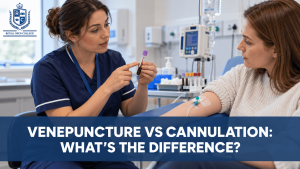
A healthcare assistant starts a morning shift on a busy NHS ward. Patients need help to wash, eat, and move safely. Observations must be taken and concerns shared with the nurse in charge. In a care home, a support worker helps residents start the day with dignity and reassurance. In the community, another worker visits people at home to support daily routines.
These workers sit at the centre of care delivery. Yet many people feel confused by the term Nursing Assistive Personnel. Some sources use NAP or unlicensed assistive personnel. Others mention job titles not used in the UK.
This guide clears that confusion. It explains what Nursing Assistive Personnel means in a health and social care context. It shows how these roles support safe, person-centred care under supervision. It also explains training, delegation, and progression without over-promising.
TL;DR Key Takeaways
- Nursing Assistive Personnel is an umbrella term, not a UK job title
- In the UK, NAP usually refers to Healthcare Assistants or Healthcare Support Workers
- These roles provide hands-on daily care and basic observations
- All tasks take place under supervision
- Delegation and accountability remain with registered professionals
- The Care Certificate provides a shared induction baseline
- CPD supports confidence and progression readiness
- These roles are central to safe, dignified care delivery
What Are Nursing Assistive Personnel?
Nursing Assistive Personnel refers to unlicensed assistive personnel who support care delivery under supervision. The term describes healthcare support roles rather than a single job title.
In practice, nursing assistive personnel provide direct patient care. This includes activities of daily living such as washing, dressing, eating, and mobility support. They work as part of a wider care team and support nurses, therapists, and other professionals.
The term unlicensed does not mean low skill. It means the role does not require professional registration. Safe practice still relies on training, supervision, and competence. Many tasks require judgement, awareness, and clear communication.
A simple example helps. On a hospital ward, a healthcare assistant helps a patient move from bed to chair. They take basic observations and report changes. The registered nurse reviews the information and decides next steps. Teamwork keeps the patient safe.
Nursing assistive personnel play a vital role in healthcare support roles across settings.
Is “Nursing Assistive Personnel” a Job Title in the UK?
No. Nursing Assistive Personnel is not a standard job title used in the UK. It is an umbrella term that appears in international guidance, academic writing, and search results. In UK health and social care services, employers use different role titles.
In practice, Nursing Assistive Personnel usually refers to Healthcare Assistants or Healthcare Support Workers. These roles deliver hands on care under supervision. They appear across NHS services, care homes, community care, and specialist settings. Some employers also use the title Clinical Support Worker, especially in hospital environments. The duties remain similar, though responsibilities vary by setting and local policy.
It is important to separate these roles from Nursing Associates. A Nursing Associate is a regulated role. Nursing Associates are overseen by the Nursing and Midwifery Council. They work to a defined scope of practice and sit between Healthcare Assistants and Registered Nurses. This makes them different from unregistered support roles covered by the Nursing Assistive Personnel umbrella.
International term to UK equivalent
International term | UK equivalent |
Nursing Assistive Personnel | Healthcare Assistant |
Unlicensed Assistive Personnel | Healthcare Support Worker |
Nursing Aide | Care Assistant |
Regulated mid-level role | Nursing Associate |
Role of a Nursing Assistive Personnel
Nursing assistive personnel covers a group of support roles used across UK health and social care. Titles differ by employer and setting, yet the purpose stays similar. Provide hands on care under supervision and support safe daily care delivery.
Each role supports care delivery. Scope always depends on training, competence, and supervision.
What Do Nursing Assistive Personnel Do Day to Day?
Nursing assistive personnel support people through routine, hands on care tasks. Daily work focuses on comfort, safety, and dignity. Duties vary by setting and employer, yet common patterns appear across services. All tasks take place under supervision and follow local policy.
- Personal care and dignity: Nursing assistive personnel commonly support washing, dressing, toileting, and grooming. Care respects privacy and choice. Staff explain actions, seek consent, and adapt support to individual needs. Maintaining dignity remains central during all personal care.
- Nutrition and hydration support: Support with meals and drinks forms a key part of daily care. This may include assisting with eating, offering fluids, and monitoring intake. Work follows care plans and dietary guidance. Any concerns, such as reduced appetite or swallowing difficulty, are reported promptly.
- Mobility and comfort: Many people need help moving safely. Nursing assistive personnel commonly support repositioning, transfers, and assisted walking. Comfort checks help reduce pain and prevent pressure damage. All mobility support follows training and uses equipment where required.
- Basic observations and reporting: Depending on local policy and training, nursing assistive personnel often collect basic observations. This includes temperature, pulse, or oxygen levels. They record findings and report changes to registered staff. Observation supports early response to risk.
- Communication and record keeping: Clear communication supports safe care. Nursing assistive personnel share information with colleagues and document care delivered. Accurate records help teams maintain continuity across shifts.
These everyday tasks keep care running safely and smoothly. Language matters. Tasks happen commonly, under supervision, and depending on local policy.
Supervision, Delegation and Accountability
Supervision and delegation sit at the centre of safe care. Nursing assistive personnel do not work independently. Tasks are assigned through delegation and carried out under supervision.
Delegation means a registered professional asks a support worker to complete a specific task. The task must suit the situation and the worker’s competence. Delegation does not transfer responsibility. The registered nurse or professional remains accountable for the outcome. This protects patients and maintains clear professional boundaries.
Supervision ensures tasks are completed safely and correctly. It includes guidance, oversight, and follow up. Supervision protects patients by reducing risk and supporting early action when something changes. It also protects staff by providing clarity and support. When supervision is clear, staff know what to do and when to escalate concerns.
Accountability stays with the registered professional. This includes decisions, assessments, and care planning. Nursing assistive personnel support care delivery, not clinical judgement. Clear accountability prevents role confusion and unsafe practice.
The Five Principles of Safe Delegation
These five principles act as a practical checklist for safe delegation in everyday care. They guide decision making before a task is assigned and while it is carried out. Using them helps teams pause, assess risk, and confirm that delegation is appropriate for the situation, the worker, and the person receiving care.
The Five Principles are:
- Right task: The task suits support staff and does not require professional judgement.
- Right person: The worker has the training and competence for the task.
- Right circumstances: The situation is stable and appropriate for delegation.
- Right instructions: Clear guidance is given, including what to report.
- Right supervision: The professional remains available to monitor and review.
Training and Entry Routes in the UK
Training for nursing assistive personnel in the UK starts through employment. Employers lead induction, supervision, and competence checks. This approach keeps learning close to real care delivery and supports safe practice from the first shift. Entry routes differ by setting, yet shared standards support consistency across health and social care.
Employer Induction and the Care Certificate
The Care Certificate launched in April 2015 as a common induction framework for support staff who deliver direct care. Employers use the certificate during early employment to confirm baseline knowledge and safe working practice.
The framework includes 15 standards. These standards cover dignity, duty of care, safeguarding, communication, infection prevention, equality, privacy, and basic life support. Each standard links to observable practice rather than classroom testing alone.
The Care Certificate serves as a baseline induction. The framework does not provide registration or permission for independent practice. Employers assess learning through supervised work, observation, and evidence gathered in the workplace.
Development involved Skills for Care alongside NHS bodies. This shared development supports consistent expectations across NHS services, care homes, community care, and specialist settings.
Where CPD Learning Fits Naturally
Employers provide practical training and sign off competence in the workplace. Supervision, shadowing, and feedback support skill development over time. This structure keeps accountability clear and protects people receiving care.
CPD learning supports understanding and confidence. Courses provide background knowledge, language, and context for daily work. Learning complements practice rather than replacing workplace assessment.
Learners new to care often start with a Nursing Assistant Level 3 Diploma. Study supports understanding of daily responsibilities, safeguarding awareness, communication, and person-centred care.
Broader learning options such as an Adult Nursing Diploma support insight into how support roles fit within wider nursing and clinical teams. CPD strengthens preparation and progression readiness while practice remains supervised and employer-led.

Where Nursing Assistive Personnel Work
Nursing assistive personnel work across a wide range of health and social care settings in the UK. While duties vary by environment, the focus remains the same. Provide hands on care, support daily living, and work as part of a supervised team.
Pay, Demand and Workforce Context in the UK
Pay for nursing assistive personnel in the UK follows clear frameworks in many settings. In NHS services, most support roles align with Agenda for Change Band 2 or Band 3. Band placement depends on role scope, responsibility, and local service need. NHS Employers oversees this national pay framework and sets conditions linked to job evaluation, progression, and service structure.
Pay outside the NHS varies. Independent care homes, voluntary organisations, and home care providers set rates based on funding, contracts, and staffing models. Regional variation plays a role. Urban areas and regions with high vacancy pressure often offer higher starting points or enhanced rates for specific shifts. Rural areas and smaller providers often operate within tighter funding limits.
Demand for nursing assistive personnel continues to grow across the UK. An ageing population increases need for long term care, rehabilitation, and community support. Hospital discharge pressures also increase reliance on support roles across wards and community teams. Mental health services and home care face similar strain.
Service pressure affects workload and retention. Support staff carry a large share of direct care. Workforce planning increasingly recognises these roles as essential to safe and sustainable care delivery. Clear pay structures, realistic expectations, and ongoing support matter for stability across the sector.
Career Progression for Nursing Assistive Personnel
Progression in nursing assistive roles follows experience first, training second. Employers look for safe practice, reliability, and readiness for responsibility before offering new roles. There is no fast track. Progress builds step by step.
Typical progression routes include:
- Healthcare Assistant to Senior Healthcare Assistant: Senior roles focus on supporting shift delivery, guiding newer staff, and maintaining care standards. The work stays close to practice. Accountability and supervision remain in place.
- Healthcare Assistant to Assistant Practitioner: Assistant Practitioners work with an extended scope agreed by the employer. Tasks support registered staff and follow clear protocols. This route suits workers who show strong judgement and consistency.
- Healthcare Assistant to Nursing Associate: The Nursing Associate role sits between support staff and registered nurses. It is a regulated role with defined standards and responsibilities. This pathway involves formal approval and structured learning.
- Nursing Associate to Registered Nurse: Approved progression routes allow Nursing Associates to move into registered nursing. Entry depends on meeting set criteria and completing recognised education. Regulation applies throughout.
Learning supports confidence at each stage. Some learners preparing for senior responsibility choose advanced CPD such as a Nursing Assistant Level 5 Diploma to strengthen understanding and leadership awareness. Others explore focused learning like a Mental Health Nursing Level 3 Diploma alongside workplace experience. CPD supports development, while employers control progression and role boundaries.
Challenges, Retention and Real World Realities
Work as nursing assistive personnel brings physical and emotional demands. Roles involve long periods on your feet, manual handling, and supporting people through illness, distress, or loss. Emotional pressure builds when caring for people with complex needs or supporting families during difficult moments. Resilience develops over time, not instantly.
Shift work affects routine and energy levels. Early starts, late finishes, nights, and weekends are common across many settings. Workload often increases during staff shortages or service pressure. These realities shape job satisfaction and retention across health and social care.
Preparation matters. Many people enter care with good intentions but limited understanding of daily demands. Realistic expectations help reduce early burnout. Knowing the pace, responsibility, and emotional load supports better adjustment and long term commitment.
Learning and support improve resilience. Strong induction, supervision, and clear boundaries protect both staff and people receiving care. Ongoing learning builds confidence and helps staff recognise risk, manage pressure, and communicate concerns. When training, teamwork, and support align, retention improves and care remains safe and consistent.
Summary and Key Takeaways for Learners and Practitioners
- Support roles play a central part in day to day health and social care delivery.
- Practice stays focused on dignity, safety, and person centred support.
- All care takes place within clear boundaries and supervision arrangements.
- Employers hold responsibility for training, assessment, and sign off.
- Work settings and duties vary widely across services and regions.
- Long term development depends on preparation, support, and realistic expectations.
Frequently Asked Questions (FAQs)
Q: What is nursing assistive personnel?
A: Nursing assistive personnel refers to a group of support roles that help deliver day to day care. The term covers staff who provide hands on support to patients or service users. All work takes place under supervision within healthcare teams.
Q: What is an assistive personnel in nursing?
A: Assistive personnel in nursing support nurses by helping with daily care and comfort. Their work focuses on routine support rather than clinical decision making. They work closely with registered staff to maintain safe care.
Q: Is nursing assistive personnel a job title in the UK?
A: No. Nursing assistive personnel is not a standard UK job title. In the UK, similar roles are usually called Healthcare Assistant or Healthcare Support Worker.
Q: What is considered nursing assistive personnel?
A: The term includes unregistered support roles that assist with care delivery. These roles appear in hospitals, care homes, and community services. Regulated roles are separate and clearly defined.
Q: What can nursing assistive personnel do?
A: They support personal care, comfort, mobility, and basic observations. Tasks focus on daily living and wellbeing. All work takes place under supervision.
Q: What tasks can nursing assistive personnel do in the UK?
A: Tasks vary by employer and setting. Many duties link to Care Certificate standards and local policies. There are no universal task lists.
Q: Can nursing assistive personnel take vital signs?
A: Yes, in many settings. This depends on training, supervision, and local policy. Results are reported to registered staff.
Q: What tasks can be delegated to nursing assistive personnel?
A: Delegation involves assigning suitable tasks based on skill and situation. Registered professionals remain accountable. Supervision supports safety.
Q: Who supervises nursing assistive personnel?
A: Supervision is provided by registered professionals. Accountability for care decisions stays with the supervisor. This protects patients and staff.
Q: What is the difference between nursing assistive personnel and a nurse?
A: Nurses hold regulated roles and make clinical decisions. Nursing assistive personnel support care delivery. Both roles work together as a team.
Q: Is a healthcare assistant the same as nursing assistive personnel?
A: A healthcare assistant is a UK job role. Nursing assistive personnel is a wider term that includes healthcare assistants within it.
Q: What is the difference between a healthcare assistant and a nursing associate?
A: A healthcare assistant is an unregulated support role. A nursing associate is a regulated role with defined professional standards. Responsibilities and accountability differ.
Q: Do nursing assistive personnel need qualifications in the UK?
A: There is no single mandatory qualification. Employers provide induction and support through the Care Certificate. Training continues in the workplace.
Q: How long does it take to train as nursing assistive personnel in the UK?
A: There is no fixed timeframe. Training happens alongside employment. Progress depends on role and employer.
Q: Where do nursing assistive personnel work?
A: They work in NHS hospitals, community care, mental health services, rehabilitation, care homes, and home care. Settings vary widely across the UK.
Q: Why are nursing assistive personnel important in healthcare?
A: They support dignity, safety, and continuity of care. Their work helps maintain daily routines. They also support nurses during busy services.
Q: Can nursing assistive personnel give medication?
A: Medication support depends on training and local policy. Not all roles include this responsibility. Supervision always applies.
Q: What skills are important for nursing assistive personnel?
A: Key skills include communication, compassion, observation, teamwork, respect for dignity, and time management. These skills support safe daily care.
Q: Can nursing assistive personnel progress in their careers?
A: Yes, progression routes exist. These include senior support roles and regulated pathways. Progress depends on experience and employer support.
Q: How can CPD courses support nursing assistive personnel?
A: CPD courses support knowledge and confidence. They do not replace workplace training or supervision. Learning works alongside experience.