














A student nurse gives a handover at the change of shift. The facts are mostly right, but the message is unclear. A patient nods politely during discharge advice but later takes the medicine wrong. A relative feels ignored, so they complain. None of this starts as a “big incident”. It starts with gaps in communication.
Communication in nursing supports patient safety, improves care outcomes, builds trust, and enables effective teamwork. Nurses speak with people more than any other clinical role. That makes communication a core clinical skill, not a soft skill. It also links to professional expectations around clear records, shared decisions, and safe handover.
This guide helps nursing students, trainees, practising nurses, and CPD learners. It stays practical, and easy to apply on shift.
TL;DR / Key Takeaways
- Communication in nursing means sharing information clearly and safely
- Good communication supports patient safety and reduces misunderstandings
- Trust grows when you listen well and explain with respect
- Teamwork improves when handover and documentation are clear
- Empathy helps patients feel heard and less anxious
- Patient education works best when you confirm understanding
- Good records support continuity of care across shifts and services
- Communication skills support leadership, confidence, and CPD
What Is Communication in Nursing?
Communication in nursing is the purposeful exchange of information, thoughts, and feelings to deliver safe, effective, and person-centred care. It happens during patient interaction, handover, documentation, and teamwork. It includes what you say, how you say it, and what you record. Professional standards also expect clear communication and accurate records as part of safe practice.
Core types used in everyday practice
- Verbal communication includes questions, explanations, and updates to colleagues.
- Non-verbal cues include eye contact, posture, facial expression, and tone.
- Written communication includes documentation, care plans, and clinical notes.
- Listening and feedback includes checking meaning, reflecting feelings, and clarifying.
- Handover includes structured information transfer between staff and services.
Real-world nursing example
A nurse notices a patient appears quieter during medication rounds. Through calm conversation and attentive listening, the nurse learns the patient feels dizzy. The nurse documents the change and shares it during handover, helping the team respond quickly and safely.
Why Is Communication Important in Nursing?
A nurse notices a patient appears quieter during medication rounds. Through calm conversation and attentive listening, the nurse learns the patient feels dizzy. The nurse documents the change and shares it during handover, helping the team respond quickly and safely.
Communication matters in nursing because it directly affects what happens to patients, how safely care is delivered, and how well teams work together. It is not an optional skill. It is part of clinical competence and professional responsibility.
Patient safety
Clear communication reduces risk. Nurses share critical information about symptoms, observations, and changes in condition. When messages are clear, handovers are safer and important details are not missed. This helps prevent errors and delays in care.
Trust and rapport
Patients are more open when they feel listened to and respected. Trust grows when nurses explain actions, answer questions, and speak honestly. Strong rapport helps nurses gather accurate information and respond to concerns early.
Patient involvement in care
Patients make better decisions when they understand their care. Clear explanations support consent, shared decision making, and realistic expectations. Communication helps patients feel involved rather than passive.
Team collaboration
Nursing care depends on teamwork. Nurses coordinate with colleagues, healthcare assistants, and other professionals throughout the shift. Clear communication supports smooth workflows, shared priorities, and consistent care.
Emotional reassurance
Illness, pain, and uncertainty cause anxiety. Calm, clear communication reassures patients and families. It helps people feel safe, informed, and supported during difficult moments.
Accurate information transfer
Care continues across shifts and settings. Accurate documentation and structured handover ensure information moves with the patient. This protects continuity and accountability.
Patient education
Education only works when patients understand. Nurses use clear language, check understanding, and adapt explanations. Good communication helps patients manage their health safely after care ends.
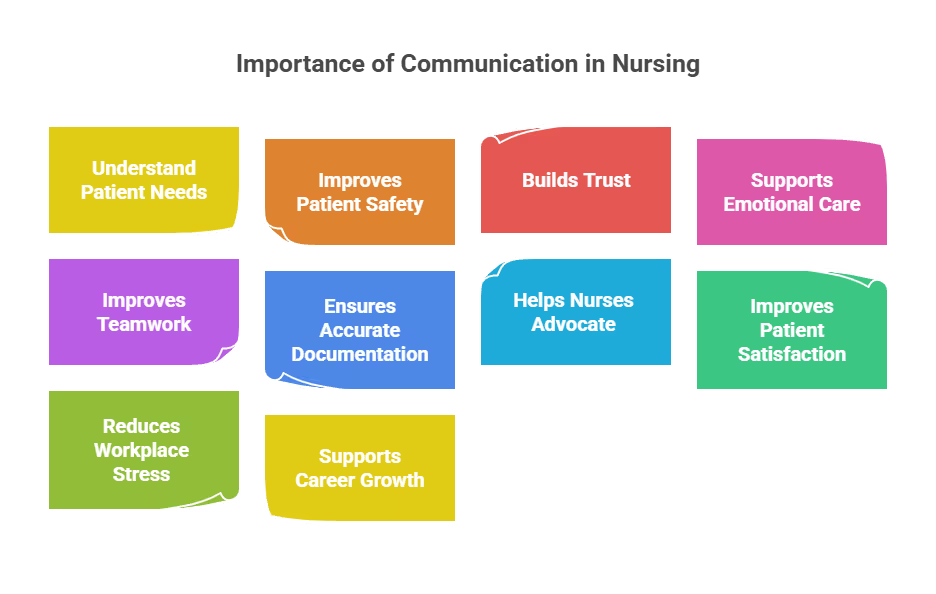
10 Importance of Communication in Nursing
Good communication supports clinical judgement, emotional care, and teamwork. Poor communication creates gaps, delays, and confusion that place pressure on staff and risk to patients. In nursing practice, communication is not limited to speaking. It includes listening, observing, documenting, and sharing information accurately with others.
The ten points below explain the importance of communication in nursing in clear, practical terms. They are commonly used in assignments, training, and professional discussions.
- Helps nurses understand patient needs clearly: Nurses gather information through listening, observation, and questioning. Clear communication helps nurses understand symptoms, concerns, and preferences. This leads to more accurate and responsive care.
- Improves patient safety and reduces misunderstandings: Clear instructions and shared information reduce confusion. Nurses use communication to prevent mistakes during care delivery, medication support, and handover between shifts.
- Builds trust between nurses and patients: Trust develops when nurses listen, explain, and respond with respect. Patients feel more comfortable sharing concerns when communication feels open and supportive.
- Supports emotional and psychological care: Patients often feel anxious or distressed. Calm and clear communication offers reassurance and emotional support. This helps patients feel safe during care.
- Improves teamwork and collaboration: Nursing care depends on coordination with colleagues. Clear communication supports shared goals, smooth workflows, and consistent care across teams.
- Ensures accurate documentation and records: Nurses record observations, care provided, and changes in condition. Clear written communication supports continuity, accountability, and safe ongoing care.
- Helps nurses advocate for patients: Nurses often speak on behalf of patients. Clear communication helps nurses raise concerns, share patient wishes, and support informed decisions.
- Improves patient satisfaction and experience: Patients feel valued when nurses communicate clearly and respectfully. Understanding care plans improves confidence and cooperation.
- Reduces workplace stress and conflict: Clear communication prevents confusion and frustration. Teams work more effectively when expectations and information are shared clearly.
- Supports career growth and leadership: Strong communication builds confidence and professional credibility. Nurses with good communication skills are better prepared for leadership and progression.
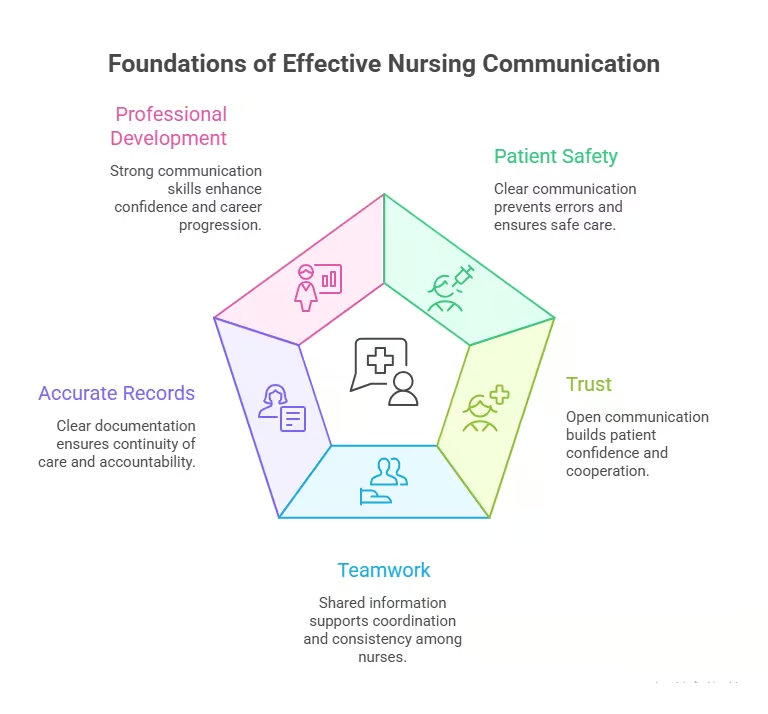
5 Importance of Communication in Nursing (Quick Summary)
Communication affects every part of nursing practice. It supports safe decision making, clear teamwork, and reliable records. Patients feel more secure when communication is open and respectful.
Nurses also develop confidence and professional skills through effective communication. These five areas summarise why communication remains essential in nursing care.
Essential Communication Skills in Nursing
Communication skills in nursing support safe care, teamwork, and patient trust. These skills apply during every shift and every interaction. Communication skills in nursing are practical tools you use on every shift. They support patient safety, patient education, and teamwork.
Active listening
Active listening means you focus fully, avoid interrupting, and check meaning. You use short prompts, reflect back key points, and clarify details. This helps you spot risks early.
Empathy and compassion
Empathy means you recognise feelings and respond with respect. Compassion shows through tone, patience, and reassurance. It helps patients feel safe enough to speak honestly.
Clear verbal communication
Clear speech uses simple words, short sentences, and a calm tone. You avoid jargon and explain one point at a time. You also adjust language for health literacy.
Non-verbal awareness
Non-verbal cues can support or damage trust. Eye contact, posture, and facial expression affect how messages land. You also notice patient cues like guarding pain or withdrawal.
Written communication
Documentation should be timely, factual, and easy to follow. Good writing supports safe planning and protects continuity across services.
Patient education and advocacy
Patient education works best when you confirm understanding. Advocacy means you speak up clearly for patient needs, especially during escalation or discharge planning.
Effects of Poor Communication in Nursing
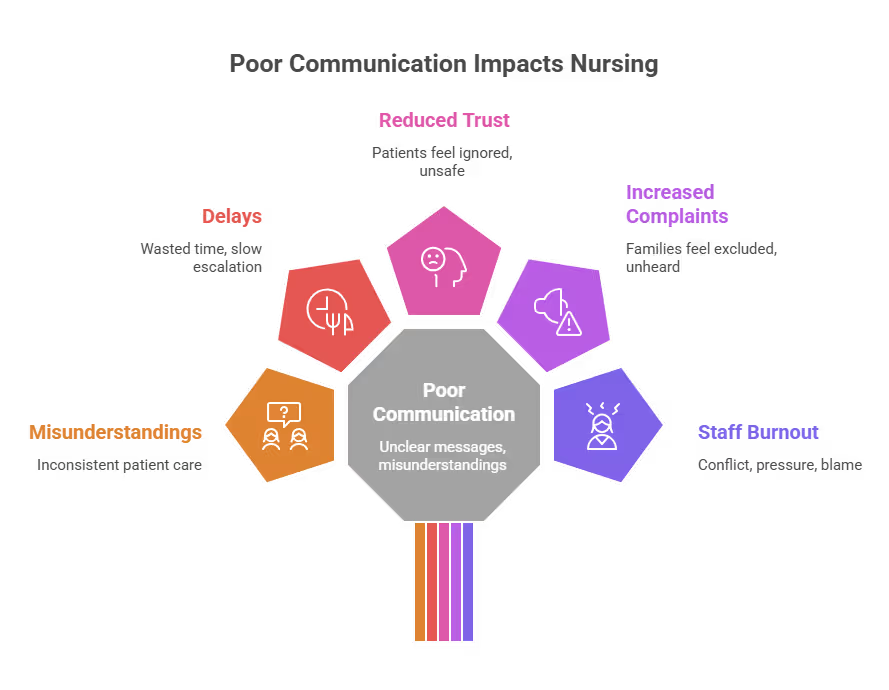
Poor communication rarely looks dramatic at first. It often looks like missing details, unclear messages, or assumptions. Over time, those gaps can create real harm.Poor communication affects care quality, staff wellbeing, and patient experience.
When information is unclear or incomplete, misunderstandings occur. Patients may misinterpret instructions, and nurses may miss important details about symptoms or needs.
- Misunderstandings in care: Patients may misunderstand advice, timings, or medication instructions. Colleagues may interpret unclear messages differently. This can lead to inconsistent care.
- Delays in treatment: When messages are incomplete, teams waste time clarifying or repeating work. Escalation can slow down if the concern is not stated clearly.
- Reduced patient trust: Patients may feel ignored or unsafe. If they do not trust staff, they may share less information. That weakens assessment and planning.
- Increased complaints: Communication problems often sit behind complaints. Families may feel excluded. Patients may feel staff do not explain or listen.
- Stress and burnout among staff: Miscommunication increases conflict, repeated tasks, and pressure. Staff feel blamed when expectations were not clear. Clear communication supports calmer teamwork.
Professional guidance also links effective practice to clear communication and good record keeping, which helps prevent avoidable gaps.
Barriers to Effective Communication in Nursing
Even skilled nurses face barriers. The goal is not perfection. The goal is noticing barriers early and adapting safely. Nurses face barriers that make communication harder during daily practice. Recognising these challenges helps reduce their impact.
Language barriers
A patient may not speak English confidently. A nurse may use complex terms by habit.
Example: A patient agrees to instructions but later shows confusion. Use simple language, interpreter support when needed, and confirm understanding.
Cultural differences
Culture can affect eye contact, decision roles in families, and how pain is described.
Example: A patient underreports pain due to beliefs about coping. Ask open questions and avoid assumptions.
Emotional distress or cognitive conditions
Anxiety, delirium, dementia, and grief can reduce concentration and memory.
Example: A patient repeats questions after surgery. Use short explanations, written prompts, and reassurance.
Time pressure and workload
Busy shifts reduce time for calm discussion. Noise and interruptions reduce privacy.
Example: A rushed discharge explanation leads to missed steps. Break information into parts and check understanding.
Accessibility needs
Some people need information in a specific format, like large print, easy read, BSL, or text instead of phone calls. The Accessible Information Standard supports meeting these needs in NHS and adult social care settings.
How to Improve Communication Skills in Nursing (Practical Guide)
Improving communication skills in nursing requires consistent practice during everyday care. Small changes in how nurses speak, listen, and respond can make a clear difference to safety, trust, and teamwork.
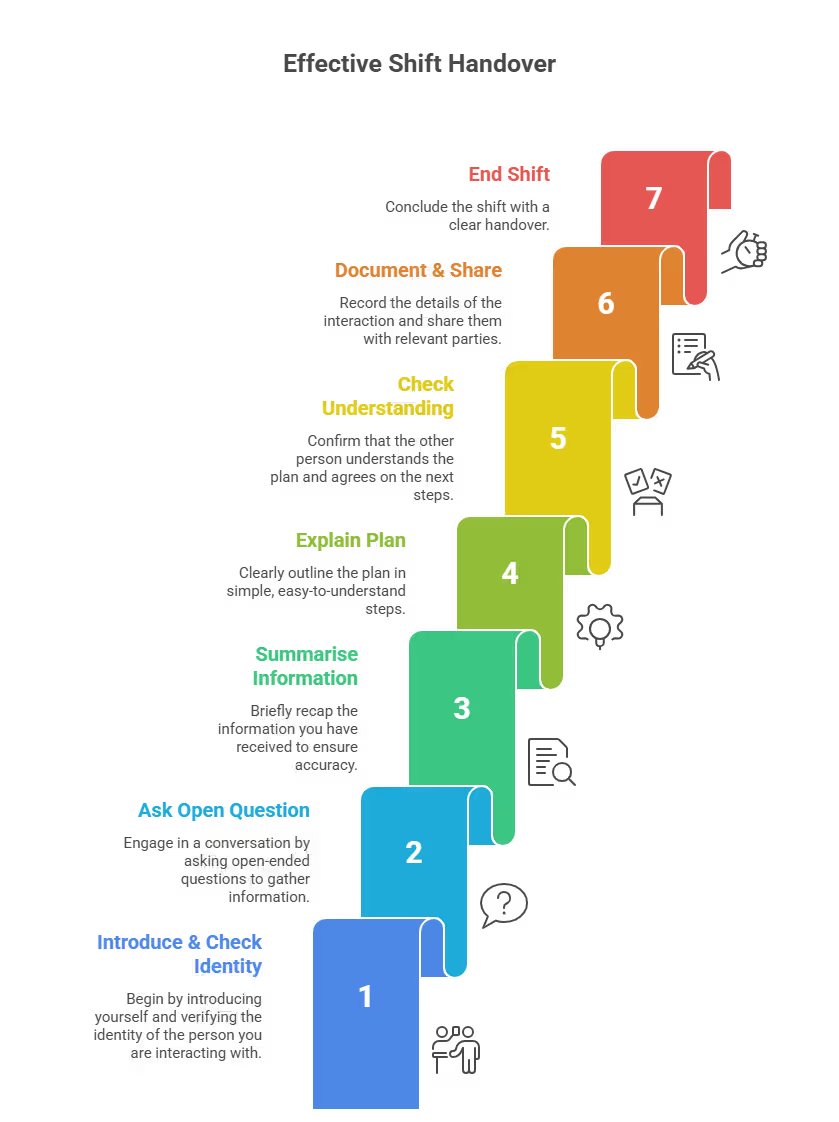
10 Importance of Communication in Nursing
- Introduce yourself clearly: Say your name, role, and what you are there to do.
- Start with one clear purpose: Explain the reason for the conversation in one sentence.
- Use simple, clear language: Swap jargon for everyday words. Keep sentences short.
- Listen without interrupting: Let the person finish. Use brief prompts to show attention.
- Use calm tone and respectful body language: Sit at eye level when possible. Keep posture open.
- Ask open questions first: Use “Tell me what worries you most today” before yes or no questions.
- Confirm understanding: Ask the patient to explain back the plan in their own words.
- Choose a suitable environment: Move away from noise. Protect privacy for sensitive topics.
- Write key points down: Use a short written plan for discharge, symptoms to watch, and contacts.
- Use structured handover: Use a consistent format such as SBAR style so key facts are not missed. NHS improvement resources commonly promote structured handover to reduce gaps.
Purpose of Communication in Nursing Practice
The purpose of communication in nursing practice is to support safe, effective, and person centred care. Nurses use communication to gather accurate information, share concerns, and respond to changes in a patient’s condition. Clear communication helps nurses make sound decisions and reduce risk during care delivery.
Deliver safe care
Nurses use communication to assess risk, recognise deterioration, and respond quickly. Clear communication supports safe escalation and safe handover.
Share information accurately
Care depends on information moving with the patient. Good documentation and clear updates support continuity across wards, community services, and care homes. Professional standards also stress the importance of accurate records.
Support emotional needs
Illness can make people feel powerless. Communication helps patients feel respected, heard, and involved. Calm explanations reduce fear and improve cooperation.
Meet professional responsibilities
Nursing includes consent, dignity, privacy, and teamwork. Communication supports each of these responsibilities. It also supports reflective practice, feedback, and learning.
Support shared decision making
Patients have the right to understand choices and express preferences. UK guidance on shared decision making focuses on what matters to the person and making decisions together.
Role of Communication in the Nursing Profession
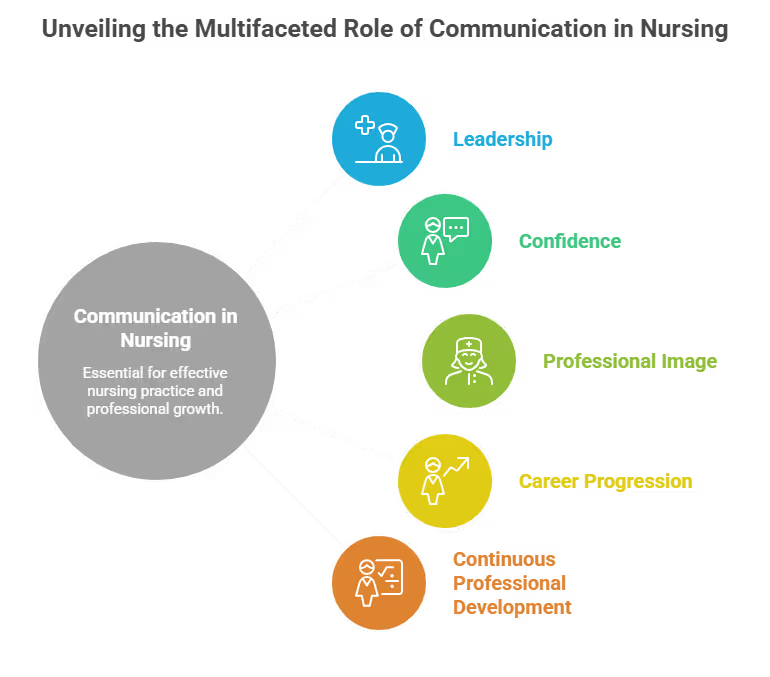
Communication shapes how nursing looks in practice. It affects professional image, leadership, confidence, and career progression. It also links directly to CPD, because communication skills develop over time.
Leadership
Leaders give clear direction, de-escalate conflict, and support staff learning. They create psychological safety so staff can speak up early.
Confidence
Confidence grows when you can explain clearly, ask the right questions, and manage difficult conversations calmly. This matters in triage, escalation, and patient education.
Professional image
Patients and colleagues judge professionalism through communication. Clear, respectful speech builds trust. Clear documentation supports accountability.
Career progression
Senior roles need coordination, delegation, and coaching. These rely on strong communication habits, especially in busy settings.
Continuous professional development
CPD strengthens communication through reflection, supervision, and feedback. It also helps nurses adapt to new communication demands, like digital records, remote clinics, and complex discharges.
Person-centred care models also link good communication to care that reflects the whole person, not only the condition.
Summary & Key Takeaways for Learners and Practitioners
- Communication is a core nursing skill that supports safe care
- Clear patient interaction supports trust, dignity, and reassurance
- Handover and documentation protect continuity across shifts
- Active listening and empathy improve assessment and patient experience
- Poor communication increases misunderstandings, delays, and stress
- Practical habits, like checking understanding, improve daily practice
- Strong communication supports leadership, confidence, and CPD
FAQs
Q: What is the importance of communication?
A: Communication is important because it helps people understand each other and act safely on shared information. In healthcare, it supports trust, clear decisions, and fewer misunderstandings during care.
Q: What are the importance of communication?
A: Communication supports safety, trust, teamwork, and clearer decisions. It also helps people feel respected, involved, and informed, which improves cooperation and outcomes.
Q: What is communication in nursing?
A: Communication in nursing is the purposeful exchange of information, thoughts, and feelings to deliver safe and person-centred care. It happens during patient interaction, documentation, and handover across the team.
Q: Define communication in nursing.
A: Communication in nursing means sharing and receiving information in a way that supports safe care and clear understanding. It includes verbal communication, non-verbal cues, listening, feedback, and accurate records.
Q: Why is communication important in nursing?
A: Communication helps nurses deliver safe care, reduce misunderstandings, and support person-centred care. It also supports teamwork, documentation, and patient education, which improves continuity across services.
Q: What is the importance of communication in nursing?
A: Communication helps nurses deliver safe care, reduce misunderstandings, and support person-centred care. It also supports teamwork, documentation, and patient education, which improves continuity across services.
Q: What are the 10 importance of communication?
A: The 10 include understanding needs, improving safety, building trust, supporting emotional care, improving teamwork, ensuring records, advocating, improving satisfaction, reducing stress, and supporting career growth.
Q: What are the 5 importance of communication?
A: The five key areas are patient safety, trust, teamwork, accurate records, and professional development. These cover most nursing situations where communication affects outcomes.
Q: What are the 5 importance of communication in nursing?
A: They are safer care, stronger trust, better teamwork, clearer documentation, and better professional growth. Together, they support continuity and reduce avoidable gaps during handover and discharge.
Q: What are communication skills in nursing?
A: Communication skills in nursing include active listening, empathy, clear verbal communication, non-verbal awareness, and accurate documentation. They also include patient education and speaking up clearly for safety concerns.
Q: What is effective communication in nursing?
A: Effective communication is clear, respectful, and understood by the other person. It includes checking understanding, adapting to health literacy, documenting accurately, and using structured handover to reduce missing details.
Q: What is the purpose of communication?
A: The purpose is to share information clearly so people can act safely and consistently. In care, it also helps people feel heard, reduces anxiety, and supports better decisions.
Q: What is the purpose of communication in nursing?
A: It helps nurses deliver safe care, transfer information accurately, support emotional needs, and meet professional responsibilities. It also supports shared decision making by helping patients understand choices.
Q: What is the role of communication in nursing?
A: Its role is to connect assessment, care delivery, and teamwork into one safe process. It supports patient interaction, documentation, handover, and escalation so care stays consistent across staff and settings.
Q: Why is nursing communication important to improve care quality and patient outcomes?
A: Because patients understand plans better, teams coordinate faster, and risks are shared earlier. When communication is clear, care becomes more consistent, person-centred, and safe across the whole pathway.
Q: How does communication support person-centred care?
A: It helps nurses learn what matters to the person, not only what is clinically wrong. Person-centred approaches rely on shared discussion, respect, and involving people in choices about their care.
Q: How does good documentation improve nursing communication?
A: Documentation shares key facts across shifts and services, so care stays consistent. Clear records reduce guesswork, support accountability, and help teams respond faster to changes.
Q: What is SBAR and why is it used in nursing communication?
A: SBAR stands for Situation, Background, Assessment, and Recommendation. SBAR is a structured way to share information during escalation and handover. It helps nurses present the situation clearly, include key background, state an assessment, and request the right response.