
Authority
They need influence to act on concerns.



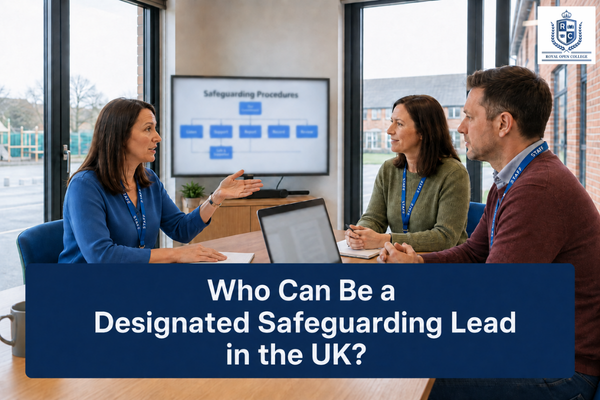
A manager asks you to become the Designated Safeguarding Lead. You care about keeping people safe, but you are not sure if your role, training or experience is enough. The answer is not the same in every setting. A school, nursery, charity, youth club, care home and NHS service all use safeguarding roles in different ways.
A DSL needs authority, time, training and clear routes for reporting concerns. A course helps you prepare, but your organisation appoints the role. This guide explains who is suitable to be a DSL in the UK, what training matters, and which mistakes to avoid.
A suitable Designated Safeguarding Lead is a person appointed by an organisation to lead safeguarding practice. They need enough authority, time, training, availability and judgement to act on concerns, guide staff, keep records and work with local safeguarding services.
If you only remember one thing, the DSL role is an appointment, not a certificate.
Authority
They need influence to act on concerns.
Training
They need role-specific safeguarding knowledge.
Availability
Staff need access when concerns arise.
Judgement
Safeguarding decisions need care and clear records.
Escalation route
Concerns need a clear route to statutory services.
In England schools and colleges, KCSIE says the DSL should be an appropriate senior member of staff from the leadership team. Wider settings use varied titles and models.

A Designated Safeguarding Lead, or DSL, is the named person who leads safeguarding concerns inside an organisation. They guide staff, manage records, oversee referrals, link with local safeguarding services and help keep safeguarding policies work in daily practice.
The DSL is the person staff go to when they worry a child, young person or adult at risk faces harm, abuse or neglect. The DSL does not replace social care, police or statutory agencies. They help the organisation respond safely and on time.
Safeguarding means protecting welfare and reducing risk. Child protection is narrower. It deals with action taken when a child faces, or appears to face, significant harm.
NSPCC uses several names for this type of role, including DSL, Designated Safeguarding Officer, nominated child protection lead, named person, child protection officer and safeguarding coordinator.
Your setting might not use “DSL”, but the lead safeguarding function still matters.
In England schools and colleges, the DSL should be an appropriate senior member of staff from the leadership team. The role should appear in the job description and carry enough status, authority, time, funding, training, resources and help. KCSIE 2025 is the key source for this setting.
No, not across every setting. In schools, the person needs senior status and authority. In practice, many DSLs are senior teachers, assistant heads, deputy heads or pastoral leaders.
A teaching assistant needs enough seniority, training, time and authority. If they lack power to act, commit resources or guide staff response, the appointment is weak.
A headteacher sometimes holds the role, but schools need clear deputy cover and escalation routes. KCSIE also states the proprietor should not be the DSL. Deputies should train to the same standard as the DSL, and the DSL or a deputy should be available during school or college hours.
Early years settings need a clear safeguarding lead. The EYFS framework for group and school-based providers says each setting must designate a practitioner to take lead responsibility for safeguarding children. The DSL should liaise with local statutory children’s services and local safeguarding partners.
Yes. In childminding settings, the childminder takes lead safeguarding responsibility. They also need training in line with local safeguarding partner or local authority advice.
A nursery practitioner, deputy manager or nursery manager is suitable if they have training, confidence, time and authority. A new practitioner with no decision-making power needs more experience and help before taking lead responsibility.
Early years DSLs need strong links with local procedures. They also need to understand safe recruitment, allegations, child protection records and when to refer concerns.

In charities and voluntary groups, the DSL is often an operational lead. This person might be a service manager, safeguarding officer, trained volunteer or specialist staff member. The key test is capacity, authority, availability and escalation.
NCVO says a DSL should have resources and capacity to act, should be available when the organisation is active, and should not usually be the most senior person where a separate escalation route is possible.
Yes, in some small organisations. The volunteer still needs training, time, record-keeping skill, safe recruitment checks where relevant and a clear route to senior leaders or trustees.
Not usually in larger charities. Trustees hold governance responsibility. The DSL leads operational safeguarding. Charity Commission guidance keeps trustees responsible for protecting people, even where tasks sit with staff or volunteers.
Larger services often use a safeguarding team. One person should still hold overall decision responsibility. Rota cover and shared inboxes help when activities run in evenings or weekends.
Out-of-school settings sit between education, charity and community work. DfE guidance covers after-school clubs, community activities, tuition and other out-of-school settings in England. Providers should designate an adult, including the provider themselves, to hold lead responsibility for safeguarding children in their care.
Youth club
👥Club manager or trained senior youth worker
Sports club
🏅Welfare officer or trained safeguarding lead
Holiday club
☀️Setting lead or activity manager
Private tuition
📚Provider or appointed safeguarding adult
Music group
🎵Trained organiser with reporting authority
The lead needs practical access to staff, children, parents and local referral routes. Lone providers still need a written safeguarding process, even where no team exists.
Healthcare and adult social care do not always follow the school DSL model. These settings often use safeguarding leads, safeguarding champions, named professionals, designated professionals, managers or safeguarding teams.
NHS safeguarding uses roles and competency frameworks. Healthcare staff follow safeguarding competence linked to their job, patient contact and level of responsibility. Named and designated professionals sit within healthcare safeguarding systems.
Care homes and care services often appoint a safeguarding lead or champion. CQC Regulation 13 focuses on protecting people from abuse and improper treatment. Providers need effective systems and staff training suited to each role.
Adult safeguarding also links to the Care Act and local authority section 42 enquiries. A care provider’s safeguarding lead does not replace local authority duties. Staff in mixed roles often need Level 3 Safeguarding Adults or Level 3 Safeguarding Children and Vulnerable Adults training.
A suitable DSL needs more than goodwill. They need the position and skills to act.
Authority
They influence staff action and policy.
Capacity
They have time to respond and record.
Availability
Staff know when and how to reach them.
Training
They complete role-specific learning.
Judgement
They respond calmly and act on evidence.
Confidentiality
They share information lawfully and securely.
Records
They keep clear safeguarding records.
Escalation
They know local referral routes.
Safe recruitment and DBS checks matter where the role involves regulated activity or work with children or adults at risk. Personal qualities matter too. A DSL needs resilience, clear communication and confidence to challenge poor practice.
Some people are poor choices for the DSL role, even if they care about safeguarding.
A person is usually unsuitable if they:
Have no time to act on concerns.
Have no authority to guide staff.
Have no safeguarding training.
Lack confidence to escalate concerns.
Fail to keep secure records.
Have a conflict of interest.
Work too few hours for the setting's activity pattern.
Have no deputy or backup route.
0 / 8 flagged
In schools, avoid appointing someone without senior leadership status. In charities, avoid making the most senior person the operational DSL where a separate escalation route is needed. Small groups might have fewer options, so they need clear trustee, committee or local authority advice routes.
The safest appointment is not always the highest job title. The safest appointment is the person with training, access, time, trust and a route to act.
A DSL needs role-specific safeguarding training. A certificate helps evidence learning, but the organisation appoints the role.
In schools and colleges, KCSIE expects DSLs and deputies to receive training for the role, update training at least every two years, and keep knowledge refreshed through regular updates.
Level 3 DSL training is common and often suitable for child-focused lead roles. Do not treat it as a universal legal rule for every UK sector.
No. Training helps you prepare. Your employer or organisation appoints you, sets your role, gives authority and records your responsibilities.
Non-lead staff often need safeguarding awareness or Safeguarding Children Level 2 before DSL-level training.
Royal Open College’s Designated Safeguarding Lead, Safeguarding Children Level 3 DSL, Safeguarding Children Level 2, Safeguarding Level 4 and Level 5 DSL courses fit different levels of responsibility. Level 4 or Level 5 fits senior, complex or strategic safeguarding work
These titles are linked, but they do different jobs.
DSL
Internal lead for safeguarding concerns.
People think the DSL holds every legal duty.
Deputy DSL
Trained cover and delegated help.
People think deputy training is lower.
DSO
Designated Safeguarding Officer, often another title for safeguarding lead.
People think it always means a lower role.
LADO
Local authority role linked to allegations against adults working with children.
People confuse LADO with internal DSL.
Safeguarding trustee
Governance oversight role in a charity.
People confuse oversight with daily case work.
Safeguarding champion
Common care-sector role for advice and good practice.
People treat it as the same as school DSL.
In schools and colleges, deputy DSLs should train to the same standard as the DSL.
DSL appointment comes from a mix of law, statutory guidance, regulator expectations, workplace policy and best practice. KCSIE is not a universal rule for every UK workplace.
| Nation or setting | Common title | Main source to check |
|---|---|---|
|
🏫
England schools and colleges
|
DSL | KCSIE |
|
🧸
England early years
|
DSL or designated practitioner | EYFS |
|
🤝
England children’s services
|
Safeguarding lead roles | Working Together |
|
🐉
Wales education
|
DSP | Keeping Learners Safe |
|
🏴
Scotland
|
Child protection lead style wording | National child protection guidance |
|
📚
Northern Ireland schools
|
Designated Teacher | Department of Education NI |
|
🏥
Healthcare and care
|
Named, designated or safeguarding lead roles | NHS, CQC, Care Act frameworks |
Working Together gives multi-agency safeguarding guidance for England. CQC and NHS frameworks shape healthcare and care. Charity Commission guidance shapes charity governance.
Use these checks to avoid common mistakes.
🔍 Check
Who appoints the DSL?
A course certificate appoints the DSL.
The organisation appoints the DSL and records the role.
🔍 Check
Which training level fits?
Level 3 is required in every sector.
Training should match the role, setting and employer policy.
🔍 Check
What does the DSL do with concerns?
The DSL investigates abuse.
The DSL records, refers, liaises and escalates.
🔍 Check
Who is suitable?
Any staff member can take the role.
The person needs time, authority, training and confidence.
🔍 Check
Who holds legal responsibility?
The DSL holds every legal duty.
Wider duties stay with the organisation, leaders, trustees, governors or provider.
🔍 Check
Are UK rules the same?
One DSL rule applies everywhere.
Terms and guidance differ by nation and sector.
🔍 Check
Is healthcare the same as school safeguarding?
Healthcare Level 3 equals school DSL training.
Healthcare uses its own safeguarding roles and competency frameworks.
🔍 Check
Does data protection stop sharing?
Data protection blocks safeguarding information.
Share information when it is lawful, necessary, proportionate and clearly recorded.
Use this mini flowchart before appointing a DSL.
Start
Check your sector guidance
Identify your safeguarding risks
Choose someone with authority, time and confidence
Write the role into their job description or role record
Set the reporting line, deputy cover and rota cover
Arrange role-specific safeguarding training
Link the DSL to local procedures and referral routes
Review the role after policy changes, staff changes or serious concerns
End
Employers should also plan supervision and wellbeing support. DSL work involves sensitive information and difficult decisions. A strong system protects the DSL and the people using the service.
A suitable DSL is the person your organisation appoints to lead safeguarding practice. They need the right authority, time, training, judgement, record-keeping skill and route to local services.
Check your sector guidance first. Then match the person to the risk, setting and responsibility. For training, Royal Open College courses such as Designated Safeguarding Lead, Safeguarding Children Level 3 DSL, Safeguarding Children Level 2, Level 3 Safeguarding Adults and Level 5 DSL help different learners prepare for different safeguarding roles.
A: Some settings consider a wide range of people, including staff and volunteers. The person still needs training, availability, authority and appointment by the organisation.
A: In England schools and colleges, the DSL should be an appropriate senior staff member from the leadership team. In charities and voluntary groups, the role might sit with an operational lead who has a clear route to senior leaders.
A: No, not across every setting. In schools, the DSL needs senior authority, which often links to teaching or leadership roles.
A: A teaching assistant would need enough authority, time, training and help. Many schools choose senior pastoral or leadership staff because the role involves decisions and escalation.
A: Yes. In a childminding setting, the childminder takes lead safeguarding responsibility under EYFS expectations.
A: Yes, in some voluntary organisations. The volunteer needs training, capacity, safe checks where relevant and a clear escalation route.
A: Level 3 DSL training is often suitable for lead child safeguarding roles. Mandatory status depends on your sector, employer and local guidance.
A: No. A certificate shows learning. The organisation appoints the DSL and gives role authority.
A: The DSL holds lead responsibility for safeguarding activity. A Deputy DSL gives trained cover and handles delegated tasks.
A: No. Healthcare uses named and designated safeguarding professionals, safeguarding teams and competency frameworks. School DSL duties follow education guidance.
All Categories
Top Courses

Health Care
Health and Social Care

Finding your first phlebotomy job in the UK starts with knowing where to look. Trainee posts appear on NHS portals, trust websites, blood services and GP boards. Learn which phrases to search, how to read job adverts, what the latest NHS pay looks like and how to build an application without blood-taking experience. Official NHS figures anchor the pay numbers.
The order of draw sets the sequence for filling blood tubes. Learn why the sequence exists, how additive carryover changes results, what research shows for vacuum tubes and syringes and why UK hospital charts differ. Butterfly and capillary rules and the steps after a mistake follow.
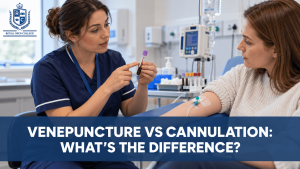
Venepuncture takes a blood sample, and the needle comes out. Cannulation leaves a small tube in the vein for treatment. This guide compares what each procedure involves, what needs checking afterwards and how long a cannula stays in. You also learn who is allowed to perform each in the UK, and how training and workplace sign-off usually work in practice.






Royal Open College provides high-quality online courses covering a variety of topics along with certificates issued by top organisations.
Quickly and easily check the validity of your
Royal Open College course certificates with Royal Open College’s Course Certificate Validator tool.


Payment methods possible


Copyright © 2026 Royal Open College. All Right Reserved.
Offer Ends In!
Copy Your Coupon
Added to cart
Check out our shop to see what's available
Not a member yet? Register now
Are you a member? Login now