


what_is_health_and_social_care_level_3

What Is Health and Social Care Level 3?

Health and Social Care Level 3 describes learning set at an advanced level for people working in, or moving into, care roles. In CPD-accredited courses, Level 3 shows the depth of learning. It does not describe a formal qualification. This level focuses on real care work. It helps learners understand …

Health and Social Care Level 3 describes learning set at an advanced level for people working in, or moving into, care roles. In CPD-accredited courses, Level 3 shows the depth of learning. It does not describe a formal qualification.

This level focuses on real care work. It helps learners understand how to support people safely, respectfully, and with care that meets their needs.

What does “Level 3” mean in CPD learning?

In CPD training, Level 3 explains how detailed and demanding the learning is. It shows that the course covers more than basic knowledge. It builds understanding, judgement, and professional awareness.

Level 3 CPD courses do not set entry rules based on school study. Learners join based on interest, work role, or personal goals. The focus stays on learning that supports practice, not academic progression.

What do learners study at Health and Social Care Level 3?

Health and Social Care Level 3 courses explore how care works in daily settings. Learners focus on topics that shape safe and respectful care, such as:

  • Person-centred care and dignity
  • Safeguarding adults and children
  • Clear communication in care settings
  • Equality, diversity, and inclusion
  • Health and safety responsibilities

Some courses also introduce topics like mental health awareness, dementia care, or long-term health conditions. These areas help learners understand how needs change from person to person.

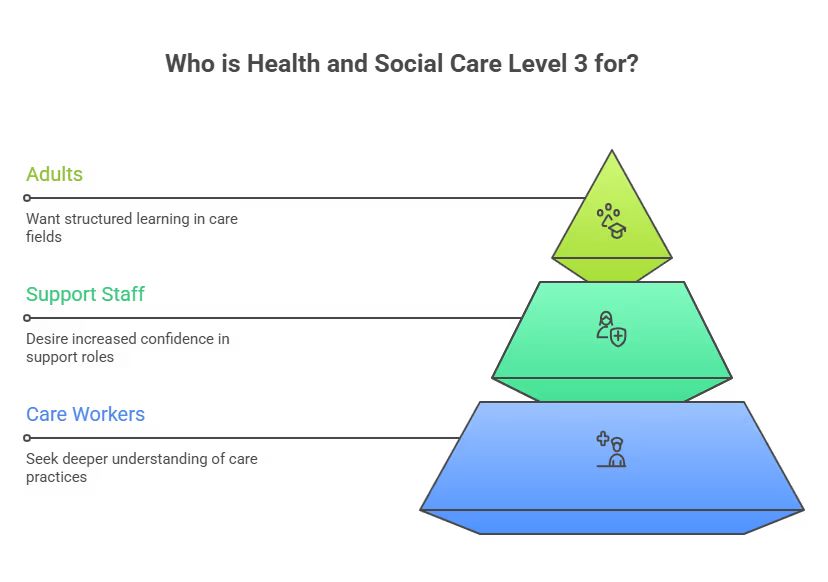
Who is Health and Social Care Level 3 for?

Health and Social Care Level 3 suits people at different stages of their care journey. Many learners already work in care or support roles. Others explore care as a future career.

This level often suits:

who_is_health_and_social_care_level_3_for


The learning helps people understand their role and how their actions affect others.

How Level 3 learning supports care roles

Level 3 learning supports growth in care settings. It helps learners handle responsibility with care and awareness. It supports roles where people need to follow policies, protect others, and work as part of a team.

The learning also builds a strong base for further CPD training. Many learners use Level 3 study to prepare for higher-level learning or specialist care topics later on.

Studying through a CPD Health and Social Care Level 3 course

Many learners choose to study through a CPD Health and Social Care Level 3 course with Royal Open College because it fits around work and daily life. The course focuses on practical learning linked to real care settings in the UK.

Royal Open College designs its CPD courses to support professional growth. Learners build understanding, improve awareness, and apply learning to everyday care practice. This approach helps people develop confidence while keeping learning clear and flexible.

Why Health and Social Care Level 3 matters

Health and Social Care Level 3 supports better care practice. It strengthens understanding, improves safety, and helps learners act with confidence. For many people, it marks an important step in professional growth within health and social care.

Recent Blogs

Adult Safeguarding Legislation UK Laws Explaine

Adult Safeguarding Legislation: UK Laws Explained

Protecting adults from harm starts with understanding the legal responsibilities behind everyday care. Those responsibilities vary across the UK, and several laws can apply to the same situation. Knowing how they fit together helps you make sense of your role. Explore the main legislation and what it means for safeguarding decisions in your workplace.
Vulnerable Adults Meaning And Safeguarding In The UK

Vulnerable Adults: Meaning And Safeguarding In The UK

What makes an adult vulnerable is not always obvious from their age or diagnosis. Understanding their situation means looking at the support they need and the challenges they face in protecting themselves from abuse or neglect. Explore how these factors shape vulnerability, why individual circumstances matter and what this means for recognising concerns in adult safeguarding.

4 Main Types Of Abuse UK Child Safeguarding Guid

4 Main Types Of Abuse: UK Child Safeguarding Guide

Abuse can take different forms and recognising the differences makes safeguarding concerns easier to understand. Child safeguarding commonly groups abuse into physical, emotional and sexual abuse, alongside neglect. These categories can overlap and appear in different settings. This guide explains what each type means and how to recognise important warning signs in everyday safeguarding practice.