Six Principles Of Safeguarding Adults In England

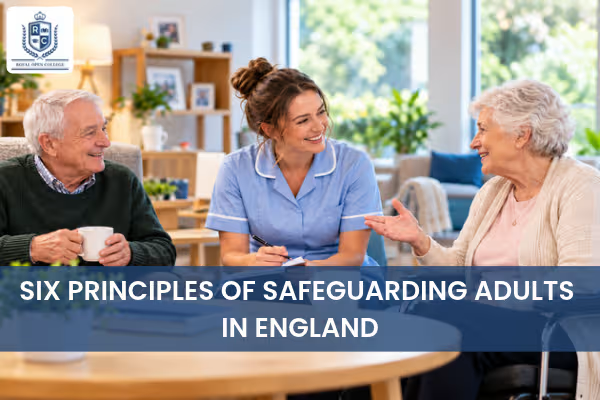
Six Principles Of Safeguarding Adults In England

Adult safeguarding brings together protecting people from harm and respecting their choices. In England, six principles guide how these responsibilities work together in practice. Understanding them can help you consider both someone’s safety and the support they want. This guide explains each principle with practical examples to help you connect the guidance with everyday care.

There are six principles of safeguarding adults in England’s Care and Support Statutory Guidance. They are empowerment, prevention, proportionality, protection, partnership and accountability. Together, they guide how people prevent abuse and respond to concerns while respecting adults’ wishes.

Knowing the six principles is a starting point for understanding how safeguarding works in everyday care. Royal Open College’s safeguarding training courses offer online CPD learning to help you explore these responsibilities further. The range includes adult safeguarding, leadership and specialist topics. Browse the course content to find learning that fits your duties and your employer’s expectations.

Quick Recap

  • The six principles guide adult safeguarding across different sectors and settings in England.
  • Staff need safeguarding learning that reflects their duties rather than one universal course level.
  • Completing training alone does not prove someone can apply safeguarding knowledge safely at work.

What Do The Six Principles Of Safeguarding Adults Mean?

The six principles guide decisions about safety, choice and how people receive support. Each addresses a different part of safeguarding practice. They work together rather than forming six steps you complete in order.

Empowerment

Empowerment means helping adults make informed decisions about their own lives. Start by asking what the person wants to happen. Explain their options in language they understand and give them time to respond.

For example, someone reporting financial abuse may want help protecting their money while maintaining family contact. Their wishes should inform the response.

Prevention

Prevention means acting before abuse or neglect happens. This includes helping people recognise warning signs and understand where to get help. Staff can contribute by noticing concerns early and raising them through the appropriate route.

Accessible information matters here. An explanation only helps if the person can understand and use it.

Proportionality

Proportionality means choosing the least intrusive response that properly addresses the risk. Consider the possible harm alongside the effect of any proposed action. Avoid unnecessary restrictions without overlooking serious danger.

For example, discuss targeted support for managing money instead of automatically taking control of every financial decision.

Protection

Protection means providing support and representation for adults who need it most. Someone experiencing abuse may need help explaining what happened or accessing appropriate services.

Support should also help the adult take part in safeguarding discussions. Consider communication needs rather than assuming everyone can describe their concerns without assistance.

Partnership

Partnership means services and communities working together to prevent and respond to abuse. Depending on the concern, this might involve social care, healthcare, housing or police.

Good joint working keeps the adult involved. It also means sharing relevant information appropriately rather than circulating everything about someone’s life.

Accountability

Accountability means taking responsibility for safeguarding actions and explaining decisions clearly. Staff should understand their role and know who handles the next stage.

Accurate records help show what happened and why a particular action followed. The adult should also understand who is involved and what each person does.


Who Should Use These Principles At Work?

Anyone involved in adult safeguarding in England should use these principles within their own responsibilities.

A care worker might notice a concern during personal care and follow the reporting procedure. A team leader might help colleagues raise concerns and check that agreed actions happen. Managers also need arrangements that support clear decisions and joint working.

The principles remain the same across these roles. What changes is the action each person is responsible for taking. Knowing the principles does not give someone authority to act outside their role.

Are The Six Principles A Legal Requirement?

The six principles are part of England’s statutory safeguarding guidance, rather than six separate legal duties. They guide practice under the Care Act 2014, which creates specific safeguarding duties for local authorities.

The Care And Support Statutory Guidance explains how the principles should inform work with adults. Care providers have separate responsibilities. In England, CQC Regulation 18 requires appropriate staff training, support and supervision. It does not require every worker to complete one named commercial safeguarding level.

These are England-specific arrangements. When working elsewhere in the UK, follow your nation’s framework and local safeguarding procedures.

How Do The Principles Work Together In Practice?

The principles work together by keeping an adult’s wishes central while addressing the risk of harm.

Imagine a resident tells a care worker that someone pressures them to hand over cash. The worker listens and asks what support the resident wants. They explain the reporting process and record the concern accurately.

The appropriate team then considers the risk and discusses possible support with the resident. Any involvement from other services should have a clear purpose.

This example combines empowerment, protection and proportionate action. Clear reporting responsibilities support accountability, while coordinated support puts partnership into practice. Reviewing the circumstances can also identify ways to prevent further harm.

What Common Misunderstandings Should Staff Avoid?

Staff should avoid using the principles to justify unnecessary restrictions or exclude adults from decisions. Misunderstandings can lead to missed support or actions that overlook someone’s wishes.

What Common Misunderstandings Should Staff Avoid

Studying Through Royal Open College (CPD Learning)

Royal Open College’s safeguarding training courses support CPD learning about recognising concerns, referrals and information sharing. It also covers multi-agency working for people developing their safeguarding knowledge.

This learning is separate from a regulated qualification. A certificate can record completed study, while workplace competence involves applying knowledge appropriately.

Before enrolling, identify the decisions your role expects you to make. Discuss any learning gaps with your manager and compare these with the course content. Choose one recent anonymised situation to discuss in supervision. Use the six principles to explain your reasoning and identify where further support would help.

Recent Blogs

4 Main Types Of Abuse UK Child Safeguarding Guid

4 Main Types Of Abuse: UK Child Safeguarding Guide

Abuse can take different forms and recognising the differences makes safeguarding concerns easier to understand. Child safeguarding commonly groups abuse into physical, emotional and sexual abuse, alongside neglect. These categories can overlap and appear in different settings. This guide explains what each type means and how to recognise important warning signs in everyday safeguarding practice.

Reporting Safeguarding Concerns In The UK

Reporting Safeguarding Concerns In The UK

When something you see or hear raises concerns about someone’s safety, your next step matters. This guide explains how to report safeguarding concerns involving children or adults across the UK. You’ll learn what details to include and how to follow up if concerns remain unresolved. That gives you a clearer starting point for taking action.

Safeguarding Children Explained A Practical UK Guide

Safeguarding Children Explained: A Practical UK Guide

Safeguarding starts with the everyday steps we take to protect children’s safety and wellbeing.It means protecting children from harm while supporting their welfare and development. This includes noticing concerns early and helping children access support. Responsibilities vary depending on your role and setting. Explore how safeguarding works across the UK and what it means for people working with children.