








How To Book Safeguarding Adults Workshops For Care Staff UK

How To Book Safeguarding Adults Workshops For Care Staff UK

Booking safeguarding adults workshops for care staff starts with knowing what your team needs to learn. Once you know what your team needs, request a written quote with staff numbers and preferred dates. This guide walks you through comparing delivery options and checking booking terms. You’ll learn what to confirm before choosing a workshop that suits your team.

Book safeguarding adults workshops through a training provider once you’ve identified your team’s needs and preferred format. Request a written quote covering the content and booking arrangements before confirming. Choose learning that fits staff responsibilities, your care setting and employer requirements.

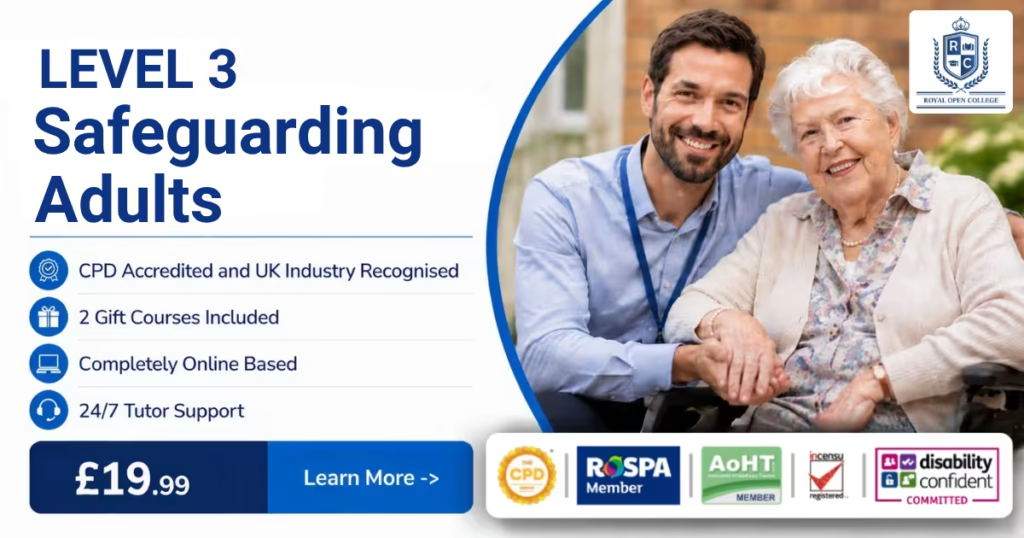
As you plan the workshop, consider what staff could study beforehand to prepare for discussion. Royal Open College’s Level 3 Safeguarding Adults course offers online CPD learning they can work through at their own pace. This gives them an opportunity to explore safeguarding topics and bring questions to the session.

Quick Recap

  • Care managers arranging workshops should match learning to their staff’s responsibilities.
  • Staff do not necessarily need the same safeguarding training level.
  • Completing training does not, by itself, prove workplace competence.

What Should You Prepare Before Booking Safeguarding Adults Workshops?

Prepare a short training brief covering staff roles, learning gaps and the safeguarding procedures your team uses. This gives providers something specific to respond to when recommending content.

Start with what staff need to practise. For example, a fictional disclosure could help care workers rehearse listening and reporting. Managers might need discussion about supporting colleagues and handling escalation decisions.

Should You Choose a Live Online or Face-to-Face Workshop?

Choose a live online or face-to-face workshop according to your team’s access needs and planned learning activities. Ask how the trainer involves participants, rather than judging the session by its format alone.

For live online sessions, confirm that staff can join discussions and ask questions. Plan a quiet space and test the joining arrangements beforehand. If colleagues share a screen, discuss how everyone will contribute.

For face-to-face delivery, agree the venue requirements and maximum group size with the provider. Request activities that reflect your service, such as practising a handover about a safeguarding concern.

If you want a workshop, confirm that the booking includes a trainer-led session. Check whether advertised “online training” means live teaching, recordings or self-paced modules

How Should You Assess a Safeguarding Workshop Provider?

Assess a workshop provider by checking trainer experience, learning outcomes and relevance to your service. Request a sample outline so you can judge what staff will actually learn.

Look for content on recognising abuse, responding to disclosures and recording concerns. Ask how activities cover the adult’s wishes and your local reporting arrangements. The provider should explain which UK nation’s framework the session addresses.

For managers or safeguarding leads, discuss whether the workshop explores decisions linked to their responsibilities. Ask the trainer to explain how they adapt activities for different roles.

Before choosing, request an example exercise and details of how the trainer checks understanding. Compare these with your training brief to identify any gaps requiring separate support.

What Should You Confirm Before Accepting a Workshop Quote?

Confirm the full cost, agreed content and cancellation terms before accepting a safeguarding workshop quote. Get these details in writing so both sides understand the booking.

Once the terms are clear, name one colleague to coordinate the booking. Ask the provider for written confirmation of the date, venue or platform and agreed group size.

Share preparation instructions with attendees and arrange cover for their care duties. Keep the accepted quote with your training records.

Does CQC Require a Particular Safeguarding Workshop?

CQC’s guidance requires suitable safeguarding training in England’s regulated services, without naming a particular commercial workshop. Its Regulation 13 guidance specifies role-relevant training during induction and updates at appropriate intervals.

This distinction helps managers explain their booking decisions. Record how the chosen workshop addresses staff responsibilities and identified learning needs. Avoid relying on a provider’s numbered course label alone.

Your employer may set more specific training requirements through its policies. Confirm these before booking, including any expectations for staff with additional safeguarding responsibilities. For services elsewhere in the UK, use the requirements and local procedures applicable to that nation.

What Booking Mistakes Should Care Managers Avoid?

Care managers should avoid unclear learning outcomes, unsuitable group bookings and leaving follow-up support unplanned. These oversights can leave important learning needs unresolved.

What Booking Mistakes Should Care Managers Avoid

Plan a short follow-up discussion using a fictional workplace concern. Ask staff to explain their next steps and identify anything they still find unclear. Use their responses to agree further support through supervision.

Studying Through Royal Open College (CPD Learning)

Royal Open College’s Level 3 Safeguarding Adults course supports CPD learning about safeguarding responses and information sharing. Its content also includes mental capacity and multi-agency working.

Use the course outline to identify topics someone needs to explore beyond a group workshop. For example, a team leader might want further study before discussing information-sharing decisions with their supervisor. This is CPD learning rather than a regulated qualification. Employers still assess how staff apply learning in practice.

Before arranging further study, agree on one learning goal with the staff member and their manager. Set a review point to discuss what they learned and any remaining support needs.

Recent Blogs

4 Main Types Of Abuse UK Child Safeguarding Guid

4 Main Types Of Abuse: UK Child Safeguarding Guide

Abuse can take different forms and recognising the differences makes safeguarding concerns easier to understand. Child safeguarding commonly groups abuse into physical, emotional and sexual abuse, alongside neglect. These categories can overlap and appear in different settings. This guide explains what each type means and how to recognise important warning signs in everyday safeguarding practice.

Six Principles Of Safeguarding Adults In England

Six Principles Of Safeguarding Adults In England

Adult safeguarding brings together protecting people from harm and respecting their choices. In England, six principles guide how these responsibilities work together in practice. Understanding them can help you consider both someone’s safety and the support they want. This guide explains each principle with practical examples to help you connect the guidance with everyday care.

Reporting Safeguarding Concerns In The UK

Reporting Safeguarding Concerns In The UK

When something you see or hear raises concerns about someone’s safety, your next step matters. This guide explains how to report safeguarding concerns involving children or adults across the UK. You’ll learn what details to include and how to follow up if concerns remain unresolved. That gives you a clearer starting point for taking action.