
How much does safeguarding level 3 training cost?

How much does safeguarding level 3 training cost?

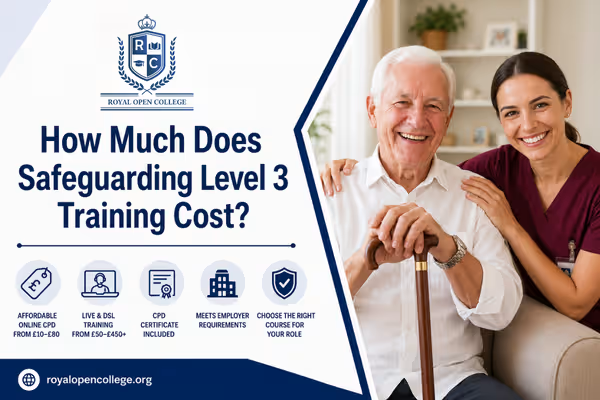
Safeguarding Level 3 training can cost from around £10 to £80 for online CPD courses, while live DSL or specialist training can cost more. The right choice depends on your role, workplace, sector and employer policy.

Safeguarding Level 3 training in the UK usually costs around £10 to £80 for many self-paced online CPD courses. Live virtual, local safeguarding partnership or specialist DSL training can cost more, often from around £50 to £450+, depending on the provider, format and sector. High Speed Training lists an online DSL/Level 3 course at £65 + VAT, while NSPCC’s specialist DSL training starts from £225 per person.

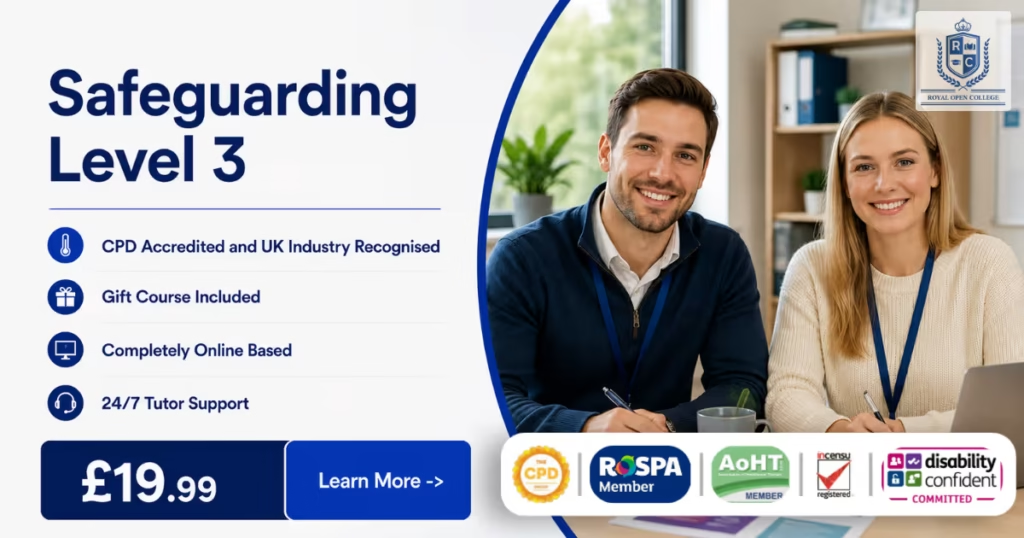
If you want a lower-cost online CPD route, Royal Open College’s Safeguarding Level 3 course can support your knowledge of safeguarding concerns, disclosures, reporting, referrals and record keeping. It is CPD learning, not a regulated qualification, and it does not replace employer training, DBS checks, supervision or local safeguarding procedures where these are required.

Quick recap

  • Online CPD safeguarding Level 3 training is usually the cheapest option.
  • Live DSL or face-to-face training costs more because it includes trainer-led support.
  • Your role, setting, employer policy and local procedures should guide your choice.

Why do safeguarding Level 3 prices vary so much?

This is where many learners feel confused. One course may cost £15, another may cost £65, and another may cost more than £200. They may all mention “Level 3”, but they are not always the same type of training.

A self-paced CPD course is usually cheaper because you study online, complete an assessment, and download a certificate. A live DSL course costs more because it may include tutor discussion, case studies, local thresholds, safer recruitment, allegations, referrals and leadership responsibilities.

Price can also change because of VAT, certificate options, course length, bulk discounts, retakes, team dashboards and whether the training focuses on adults, children, or both.

How much does online CPD safeguarding Level 3 training cost?

£10–£80

typical range

Online CPD Courses

Online CPD courses are often the most affordable choice. Many sit between £10 and £80, depending on the provider and what is included.

🔍

Provider Example — Virtual College

Virtual College, for example, lists safeguarding Level 3 options including children, adults and combined safeguarding packages, with prices such as:

💷 £40 + VAT 💷 £56 + VAT

visible in its safeguarding course range.

This type of course may suit:

Care Workers Healthcare Assistants Support Workers Teachers Teaching Assistants Childcare Staff Volunteers Youth Workers Team Leaders
💡

who need stronger safeguarding awareness.

How much does live DSL training cost?

Live DSL or face-to-face training usually costs more. This is because you are paying for trainer time, discussion, group learning and sometimes sector-specific guidance.

These courses may be more suitable for Designated Safeguarding Leads, deputy DSLs, managers, school leaders, nursery leads, safeguarding officers or people who manage concerns for an organisation.

If you are taking training because your employer asked for it, check the exact wording first. Some workplaces accept online CPD. Others may expect local authority training, multi-agency training or a named DSL course.

Is cheaper safeguarding Level 3 training still useful?

Yes, it can be. A cheaper course is not automatically poor, and an expensive course is not automatically necessary.

The real question is: does it match your role?

A good course should help you understand abuse, neglect, exploitation, adults at risk, children and young people, disclosures, reporting concerns, referrals, escalation, confidentiality, information sharing and record keeping.

Does safeguarding Level 3 training guarantee compliance?

NO! 🤔

A CPD certificate can support your evidence of learning, but it does not guarantee workplace compliance.

🏥

ADULT SOCIAL CARE

CQC guidance says adult social care staff should receive safeguarding training that is relevant and suitable for their role. Skills for Care also highlights that staff should know what to do if they suspect abuse or neglect.

🏫

SCHOOLS & COLLEGES

For schools and colleges, staff must follow employer policy and statutory guidance such as Keeping Children Safe in Education, which sets out safeguarding duties for schools and colleges in England.

Common misunderstandings

Safeguarding Level 3 is not one fixed UK course. Some courses focus on children. Some focus on adults. Some cover both. Some are short CPD courses, while others are longer DSL programmes.

The best choice is not always the cheapest or the most expensive. It is the course that fits your role, your setting, your employer’s policy and your safeguarding responsibilities.

Recent Blogs

Can You Reheat Salmon? The Best Methods That Actually Work

Can You Reheat Salmon? The Best Methods That Actually Work

You can reheat salmon safely with the right storage, temperature, and technique. Too much heat can leave it dry before the centre warms through. This guide explains the best ways to reheat salmon, how long cooked salmon keeps in the fridge, and the UK FSA rules that apply.

The Best Ways to Reheat Leftovers: UK Food Safety Guide

The Best Ways to Reheat Leftovers: UK Food Safety Guide

Most people reheat leftovers the same way every time, regardless of what is actually in the container. It usually works fine until it does not. This guide explains which method suits each food type, why rice needs handling differently from everything else, and the storage habits that matter long before the reheating stage even begins.

Can I Do Safeguarding Level 4 Online (UK Guide 2026)

Can I Do Safeguarding Level 4 Online (UK Guide 2026)

Online Safeguarding Level 4 training is available in the UK, but the right format depends on your role. This guide explains self paced learning, live virtual study, blended training, CPD evidence, healthcare competency expectations, DSL overlap, and employer checks before enrolment.