
Cost of Safeguarding Level 4 Courses in the UK

Cost of Safeguarding Level 4 Courses in the UK

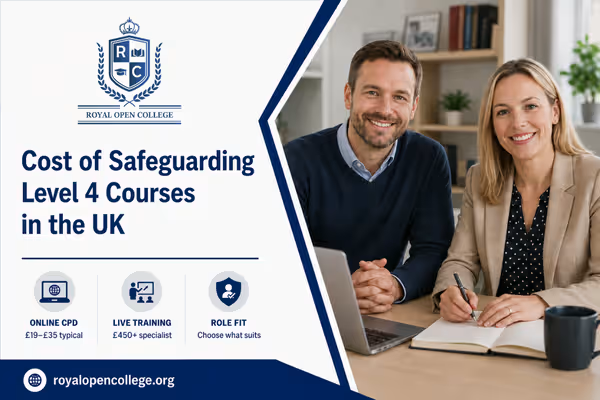
Safeguarding Level 4 courses in the UK can cost from around £19–£35 for online CPD to £450+ for specialist live training. The right choice depends on your role, setting, employer policy, and whether you need flexible CPD learning or role-specific training.

The cost of Safeguarding Level 4 courses in the UK varies a lot, which is why this question can feel confusing at first. Some online CPD courses are priced around £19–£35, while live or specialist Level 4 safeguarding training can cost £450 or more, especially when it is designed for senior, named, or role-specific safeguarding responsibilities.

For learners looking for structured online CPD without the higher cost of live training, Royal Open College’s Safeguarding Level 4 course offers a flexible way to strengthen safeguarding knowledge across children’s and adults’ services. Your employer, setting, and local safeguarding procedures should still guide what training is suitable for your role.

Quick recap

  • Online Safeguarding Level 4 CPD courses usually cost less than live specialist training.
  • Higher prices often mean tutor-led sessions, case discussion, or named professional content.
  • Your role, setting, employer policy, and local safeguarding procedures should guide your choice.

How much does Safeguarding Level 4 training usually cost?

Most online CPD-style Safeguarding Level 4 courses sit at the lower end of the market, often around £19–£35 during offers. These courses normally suit learners who want flexible study, a certificate option, and a stronger understanding of safeguarding practice.

More advanced live or specialist courses can cost much more. For example, some Level 4 training for named health professionals is designed for senior safeguarding roles and uses complex case-based learning. NSPCC describes its Level 4 safeguarding training as aimed at named doctors, nurses, midwives and senior safeguarding leads.

Why are some Level 4 safeguarding courses so expensive?

Not every Level 4 course is built for the same learner. A budget-friendly online CPD course is usually self-paced. You study modules, complete an assessment, and receive or order a certificate.

A higher-cost course may include live teaching, trainer feedback, group discussion, safeguarding supervision themes, and complex case studies. That matters if your role involves advising others, leading safeguarding practice, or making higher-level decisions.

So, a cheaper course is not automatically poor. An expensive course is not automatically necessary. The right choice depends on why you need the training.

What is usually included in the course fee?

💰

Before you pay, check what is included. Some providers include the digital certificate in the course price. Others charge extra for a certificate, printed copy, VAT, or extended access.

Look for these details:

⏱️

Course duration and access length

📜

Digital or printed certificate cost

🔁

Assessment and retake fees

🧑‍🏫

Tutor support

CPD points or hours

🛡️

Child, adult, or combined safeguarding content

💻

Self-paced, live online, or face-to-face format

📝

Refund policy and bulk booking options

💡

This helps you avoid paying for a course that looks cheap at first but costs more later.

Is an online Safeguarding Level 4 course enough?

Sometimes, yes. Sometimes, no.

An online CPD course can be helpful if you want to build knowledge, refresh your understanding, support your CV, or prepare for more senior safeguarding duties. It can cover topics such as abuse and neglect, disclosure, reporting concerns, record keeping, information sharing, risk assessment, the Mental Capacity Act, DoLS, and multi-agency working.

But if your employer asks for a specific course, live training, local authority training, or workplace competency sign-off, you should follow that requirement.

Who may need specialist Level 4 training?

Specialist or higher-cost Level 4 training may suit named professionals, senior safeguarding leads, registered managers, healthcare professionals, social workers, or people who advise staff on complex concerns.

In regulated care, safeguarding is a serious responsibility. CQC Regulation 13 focuses on protecting people from abuse and improper treatment while they receive care. That is why employers often decide what training level is right for each role.

For schools and colleges, DSL training also follows role expectations. KCSIE says designated safeguarding leads and deputies should update their training at least every two years, but that does not mean every DSL automatically needs a Level 4 course.

Common misunderstandings about the cost

💷
Not Always Wrong

The cheapest course is not always the wrong choice.

🏆
Not Always Best

The most expensive course is not always the best fit.

"Level 4" can mean different things across providers. Some courses are:

📄 CPD learning 🎥 Live specialist programmes 🏥 Aimed at named professionals 👔 Senior safeguarding roles
⚠️

Important

A CPD certificate is not:

A licence to practise A regulated qualification A guarantee that every employer will accept it

Before Choosing — Ask One Simple Question

"Do I need CPD knowledge, or has my employer asked for a specific type of safeguarding training?"

Recent Blogs

Career Progression Opportunities After a Health and Social Care Level 3 Qualification

Career Progression Opportunities After a Health and Social Care Level 3 Qualification

Level 3 health and social care learning can support progression from entry-level care into senior, specialist and NHS Healthcare Support Worker roles, alongside opportunities for further study and development. The right path depends on your experience, the setting you work in and whether you hold a regulated qualification or a CPD-accredited course.

Health and Social Care Level 3 Course Reviews: What Students Report

Health and Social Care Level 3 Course Reviews: What Students Report

Student reviews of Health and Social Care Level 3 courses commonly highlight flexible online study, career-relevant content and improved confidence. This article explains what reviews reveal about course content, recognition, career outcomes and common criticisms, including why CPD-accredited courses and regulated qualifications are not the same.

Compare Health and Social Care Level 3 Online Courses with Flexible Study Options

Compare Health and Social Care Level 3 Online Courses with Flexible Study Options

Before choosing a Level 3 health and social care course online, check what the Level 3 title actually represents in regulatory terms. Ofqual-regulated qualifications carry formal regulatory status; CPD-accredited certificates support professional development outside the RQF. The right option depends on your role, employer requirements, career stage, and whether the qualification is eligible for funding.