






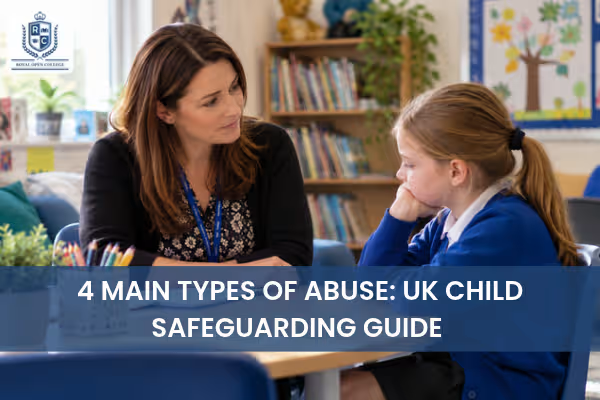



The main four types of child abuse are physical abuse, emotional abuse, sexual abuse and neglect. Each can affect a child differently, yet the signs are not always obvious at first. A bruise, a sudden change in behaviour or ongoing unmet needs may only become meaningful when viewed alongside the child’s wider situation.
Understanding these categories gives people a clearer starting point for recognising concerns and responding appropriately. Royal Open College’s Safeguarding Children Level 3 course supports CPD learning around recognising abuse, neglect and safeguarding concerns. This knowledge can help learners understand what to notice and when concerns may need reporting.
Quick Recap
- Child safeguarding commonly identifies physical, emotional and sexual abuse alongside neglect.
- Different forms of abuse can overlap, so concerns may not fit one category alone.
- Recognising possible abuse supports safeguarding action but concerns still require appropriate reporting procedures.
The four main types describe distinct forms of harm affecting a child’s safety and development. Understanding each category makes possible concerns easier to recognise and describe.
Physical Abuse
Physical harm can appear through actions such as hitting, shaking, burning, poisoning or deliberately causing injury. Some incidents are immediately noticeable, while others only become concerning when injuries appear repeatedly or explanations do not fit what is observed.
The wider context matters too. A single injury does not automatically prove abuse, so concerns should be considered alongside the child’s circumstances and other available information.
Emotional Abuse
Not all abuse leaves a visible mark. Emotional abuse can develop through persistent humiliation, intimidation, rejection or behaviour that repeatedly damages a child’s confidence and emotional development.
Changes in mood, behaviour or relationships may sometimes raise concern. These signs become more meaningful when they appear alongside other information about the child’s experiences.
Sexual Abuse
Sexual abuse can involve contact and non-contact behaviour. It includes forcing or enticing a child into sexual activity, whether or not physical contact takes place.
Technology can also be used to facilitate abuse, grooming or exploitation. This means concerns may develop through online activity as well as face-to-face situations.
Neglect
A child can also be harmed when their basic needs are persistently left unmet. Neglect may involve inadequate food, shelter, supervision, healthcare or emotional care over time.
Because neglect often develops gradually, the signs may be easy to miss. Repeated unmet needs and changes in wellbeing can become important when viewed together.
Can Different Types Of Abuse Happen Together?
Different types of abuse can happen together, rather than appearing as separate experiences. One situation may involve physical harm alongside emotional abuse or neglect.
For example, a child experiencing physical violence may also face threats or humiliation. Another child may experience neglect while also being exposed to other harmful situations.
This overlap matters because safeguarding concerns should consider the child’s wider circumstances. Focusing on one visible sign can sometimes miss other forms of harm.
Current safeguarding guidance also recognises wider harms, including exploitation, domestic abuse and online abuse. These concerns can connect with the four main categories rather than replacing them.
How Can You Recognise Possible Signs Of Abuse?
Possible abuse may appear through injuries, behaviour changes, fear, withdrawal or unmet basic needs. No single sign proves that abuse has happened.
Physical concerns may include unexplained injuries or explanations that do not match the injury. Emotional abuse may appear through persistent fear, low confidence or sudden behavioural changes.
Sexual abuse may involve sexualised behaviour, distress or changes in relationships and routines. Neglect may appear through persistent hunger, poor hygiene, unsuitable clothing or missing necessary healthcare.
The important point is to notice patterns and consider the child’s wider circumstances. Safeguarding concerns should never rely on one sign alone. The supplied safeguarding guidance also warns against treating individual indicators as definite proof of abuse.
What Should You Do If You Suspect Child Abuse?
You should follow your organisation’s safeguarding procedure promptly when you suspect a child may be experiencing abuse. Immediate danger requires urgent action through the appropriate emergency services.
Listen carefully if a child shares a concern. Avoid asking leading questions or trying to investigate what happened yourself. Record what you observed or heard as accurately as possible. Include relevant facts without adding assumptions or personal conclusions.
Then report the concern through your organisation’s agreed safeguarding route. This may involve a Designated Safeguarding Lead or another responsible safeguarding person.
Your role is usually to recognise, respond and report appropriately. The safeguarding response can then be considered by people with the relevant responsibilities and authority.
Are The Four Main Types Of Abuse The Same For Adults?
No. The four main types describe child abuse, while adult safeguarding in England uses a broader framework.
Adult safeguarding includes physical abuse, sexual abuse, psychological abuse and neglect. It also covers financial abuse, domestic abuse and organisational abuse.
Other recognised concerns include discriminatory abuse, modern slavery and self-neglect. This wider framework reflects the different risks adults may experience.
This distinction matters when choosing safeguarding learning. Training should match whether your role focuses on children, adults or both.
What Are The Common Mistakes Around The Four Types Of Abuse?
Common mistakes include treating the four categories as a complete list for every safeguarding situation. They are most useful when discussing child abuse.
Another mistake is assuming one warning sign proves abuse. Signs need context because injuries or behaviour changes can have other explanations.
People may also focus only on physical harm. Emotional abuse, sexual abuse and neglect may be less visible but remain serious concerns. Another misunderstanding is treating safeguarding training as proof of workplace competence. Training supports knowledge, while employers may also require supervision and role-specific procedures.
Finally, avoid investigating concerns yourself. Safeguarding procedures should guide how concerns are recorded, reported and escalated.
Why Does Knowing The Four Types Of Abuse Matter In Safeguarding?
Knowing the four types helps people recognise concerns and describe what may be happening more clearly. A concern may begin with one small observation rather than an obvious disclosure. Understanding the categories can help staff notice patterns across behaviour, injuries and unmet needs.
This knowledge also supports clearer safeguarding records. Staff can describe what they observed without trying to decide whether abuse definitely occurred.
The categories are therefore useful starting points rather than investigation tools. Safeguarding decisions should still follow organisational procedures and the child’s wider circumstances.
Studying Through Royal Open College (CPD Learning)
Royal Open College’s Safeguarding Children Level 3 course can help learners build a broader understanding of child protection practice. Alongside recognising different forms of abuse, the course explores disclosures, referrals, record-keeping and professional safeguarding responsibilities.
This learning can strengthen understanding for people working with children or holding safeguarding responsibilities. The course is CPD learning rather than a regulated qualification. Learners should still check their employer’s training expectations and role-specific safeguarding procedures.