
Answer
No. KCSIE sets safeguarding expectations for schools and colleges in England. It does not name one commercial provider. Schools should choose training that suits their roles, then support it with local policies and procedures.





The best online safeguarding course depends on the learner’s role, nation and responsibilities. Employer expectations also shape the final choice. General staff need awareness and reporting knowledge. DSLs and senior leaders need deeper role-specific learning. For English schools, current statutory guidance provides an important benchmark. Course completion records learning but it does not replace local procedures or supervision.
Royal Open College’s Safeguarding Training Courses Online brings together children’s safeguarding, adult safeguarding, leadership and specialist awareness options. It includes different levels and DSL-focused learning with self-paced study and a digital certificate on completion. These are CPD learning options, so check whether the selected course suits your role, nation and employer requirements.
The right choice depends on the learner’s duties and the school’s safeguarding arrangements. Before enrolling, check the following:

An online safeguarding course suits a school when it matches the role, setting, nation and workplace expectations.
Start with the learner, not the course label. A polished platform cannot compensate for unclear scope or unsuitable content.
These checks expose differences that course titles often conceal. A short awareness course may suit a volunteer, but not a DSL. A UK-wide label may also hide important national differences.
In England, Keeping Children Safe in Education 2026 provides statutory safeguarding guidance for schools and colleges. Working Together 2026 explains multi-agency safeguarding arrangements.
Treat words such as accredited, recognised and compliant as claims requiring evidence. Ask for the accreditor, qualification register entry or employer confirmation.
A suitable course should also explain its limitations clearly. Online learning can build knowledge, but schools still need policies, local procedures and workplace support.
Introductory safeguarding courses suit general staff, while DSL or leadership courses suit those with wider responsibilities.
Course choice should follow the learner’s safeguarding responsibilities. Different school roles require different depth, examples and decision-making practice.
General staff often need practical awareness of safeguarding concerns. That includes knowing when and how to report concerns.
DSLs and deputies need learning connected to coordination and oversight. That depth should reflect their responsibilities, not simply a higher course number.
Governors and senior leaders need enough knowledge to question safeguarding arrangements. They may also need learning about accountability and organisational culture.
A course can support preparation, but the employer decides who holds the DSL role. Local policy also determines responsibilities, referral routes and escalation arrangements.
A useful school safeguarding course should develop four practical abilities. It should help learners recognise concerns, respond safely, record facts and report appropriately.

Training should teach awareness without turning indicators into proof of abuse. It should also explain professional boundaries and the dangers of investigating concerns independently.
Prevent and safer recruitment can be important additions for specific roles. They should not be presented as identical requirements for every learner.
Course descriptions should show what learners can do after studying. Vague promises offer little help when schools compare providers.
Safeguarding course choice changes across the UK because each nation uses different guidance and referral arrangements. With the course content clear, it is important to understand how safeguarding guidance differs across the UK.
In England, KCSIE and Working Together guide school safeguarding practice. Wales, Scotland and Northern Ireland follow their own national frameworks.
Review the relevant framework and confirm the details that apply.
Keeping Children Safe in Education and Working Together
English school expectations and local safeguarding arrangements
Keeping Learners Safe
Welsh terminology, procedures and reporting routes
National Guidance for Child Protection in Scotland
Scottish child protection processes and local arrangements
Co-operating to Safeguard Children and Young People
Northern Irish safeguarding expectations and referral procedures
A course may provide broad awareness across the UK. However, broad coverage does not guarantee local procedural detail.
Before enrolling, ask whether the course is designed for your nation. Then check how it handles local reporting, escalation and safeguarding contacts.
For school staff in England, course content should sit alongside current KCSIE requirements. Schools elsewhere should use their own national guidance and local policy.
CPD, accreditation and course levels describe different forms of learning evidence. CPD supports professional development, accreditation refers to external recognition and course levels describe learning depth.
A number on a course page does not explain its status by itself. The syllabus, assessment and issuing organisation provide more useful information.
Open each term to see what it may describe and what readers should verify.
These terms should not be blended together. An accredited CPD course is not automatically a regulated qualification.
Likewise, a Level 3 label does not create a universal legal requirement. Providers can use level numbers differently, so compare the actual learning outcomes.
A CPD certificate can support a professional development record. It does not demonstrate how someone performs safeguarding duties at work.
Employer acceptance remains a separate decision. Schools should confirm that the training suits their role descriptions, policies and internal expectations.
School leaders should assess the course’s learning design, accessibility and administration alongside its subject coverage.
Buying decisions often continue after the syllabus looks suitable. Staff need access, support and time to complete learning properly.
Select each feature to reveal the question it raises before enrolment.
Self-paced learning can help staff fit study around daily duties. Schools may still need shared deadlines, internal reminders or additional briefings.
Assessment should show whether learners understood the course material. It cannot replace supervision, discussion or workplace judgement.
Completion records can help schools monitor participation. They should not be treated as proof that every safeguarding responsibility has been mastered.
Shorter learning may suit basic awareness or an update. Staff with wider responsibilities may need more detailed role-specific content.
Once these practical features are clear, provider comparisons become easier.
Schools should compare providers by role fit, national coverage, learning scope and evidence.
A course page can look impressive while leaving important questions unanswered. The following comparison focuses on provider approaches rather than naming one universal winner.
Select a provider row to highlight it while comparing your options.
Schools seeking education-focused introductory or strategic learning
Nation, delivery format, duration and current price
Schools wanting self-paced, level-based learning and DSL options
Provider-stated accreditation, syllabus and jurisdiction
Staff and managers seeking children’s, education or leadership courses
Intended audience, assessment and update date
Education staff seeking child protection, online safety and Prevent coverage
Course scope, local procedures and study time
Learners comparing children’s, adults’, leadership and specialist CPD options
Role suitability, national framework and employer acceptance
These options should not be ranked by brand familiarity alone. A school-specific course can still require local policy training afterwards.
Introductory learning may suit general staff or volunteers. Leadership content serves learners with wider safeguarding responsibilities.
Before choosing, review the current provider page for duration, price, assessment, certificate wording and update information. Then compare those details with your school’s expectations.
Online safeguarding training can strengthen knowledge, but it cannot replace the arrangements that protect children in practice.
Schools still need clear policies, local reporting procedures, supervision and opportunities to assess workplace competence. These responsibilities remain with the organisation and its safeguarding leaders, not the online course alone.

Before staff begin training, schools should explain their local safeguarding arrangements. Learners need to know who receives concerns and what happens afterwards.
Employers must also decide whether completed learning meets the role’s requirements. A digital certificate can record participation, but it cannot demonstrate every workplace judgement.
The best next step is discussing your preferred training with your school’s safeguarding lead.
Take your shortlist to the DSL, safeguarding governor or training lead. Explain who will study, what responsibilities they hold and what support will follow. A brief conversation can reveal gaps before anyone enrols.
Royal Open College’s Safeguarding Training Courses Online offers a flexible CPD route to consider during that review. Before deciding, check the intended audience, study format and learning depth. Then confirm suitability with your employer.
After completion, record the learning and complete any local induction your organisation requires. Keep policies and contact details available, so training connects with everyday practice. Choosing a course should be the beginning of a clear safeguarding plan, not the end.
Select a question to read the answer.
No. KCSIE sets safeguarding expectations for schools and colleges in England. It does not name one commercial provider. Schools should choose training that suits their roles, then support it with local policies and procedures.
Schools should not assume that a certificate guarantees inspection acceptance. Ofsted does not create one universal commercial course requirement. Leaders should show that training, policies and safeguarding practice work together appropriately.
Free introductory learning may help with basic awareness, but it is not automatically enough for a DSL. The school should check role-specific coverage, employer expectations and any additional local training requirements.
There is no single renewal period for every school role. Update arrangements depend on current guidance, responsibilities, local safeguarding arrangements and employer policy. Schools should review training when guidance or procedures change.
No. Completing an online course does not appoint someone as a DSL. The school or organisation decides who takes the role, defines their authority and provides local support. Training can contribute to preparation, but appointment remains an organisational decision.
Schools should record completion and provide a local safeguarding policy briefing. Staff should know the reporting route, DSL contact and escalation process. Leaders should also check whether supervision or additional role-specific training is needed. Completion forms one part of wider safeguarding arrangements.
All Categories
Top Courses

Health Care

Health and Social Care
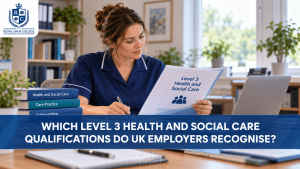
UK employers recognise Ofqual-regulated Level 3 routes. These include the Level 3 Diploma in Adult Care and the Health T Level. A CPD-accredited Level 3 certificate records learning but is not a regulated qualification. Check the Ofqual Register and the employer’s requirements before you enrol.

Changing careers into healthcare starts with choosing training that fits your goals and existing commitments. Royal Open College and Learnera offer nursing assistant courses that welcome learners from other sectors. Their flexible study options support introductory learning before you explore healthcare support work. This guide explains how to compare courses against your intended role’s requirements.
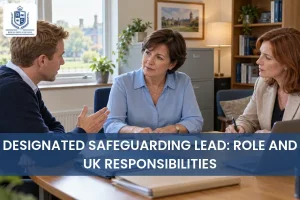
Knowing who handles safeguarding concerns helps staff act promptly when a child needs support. A designated safeguarding lead coordinates the organisation’s response and helps others follow its safeguarding procedures. This guide explains their responsibilities and the boundaries of their role. It also clarifies how training expectations differ between settings and what appointment actually involves.







Royal Open College provides high-quality online courses covering a variety of topics along with certificates issued by top organisations.
Quickly and easily check the validity of your
Royal Open College course certificates with Royal Open College’s Course Certificate Validator tool.


Payment methods possible


Copyright © 2026 Royal Open College. All Right Reserved.
Offer Ends In!
Copy Your Coupon
Added to cart
Check out our shop to see what's available
Not a member yet? Register now
Are you a member? Login now