












What Is Informal Care in Health and Social Care? Look around any community in the UK and you’ll see it happening. People support others every day, quietly, without contracts or job titles. Care grows from relationships. Trust matters.
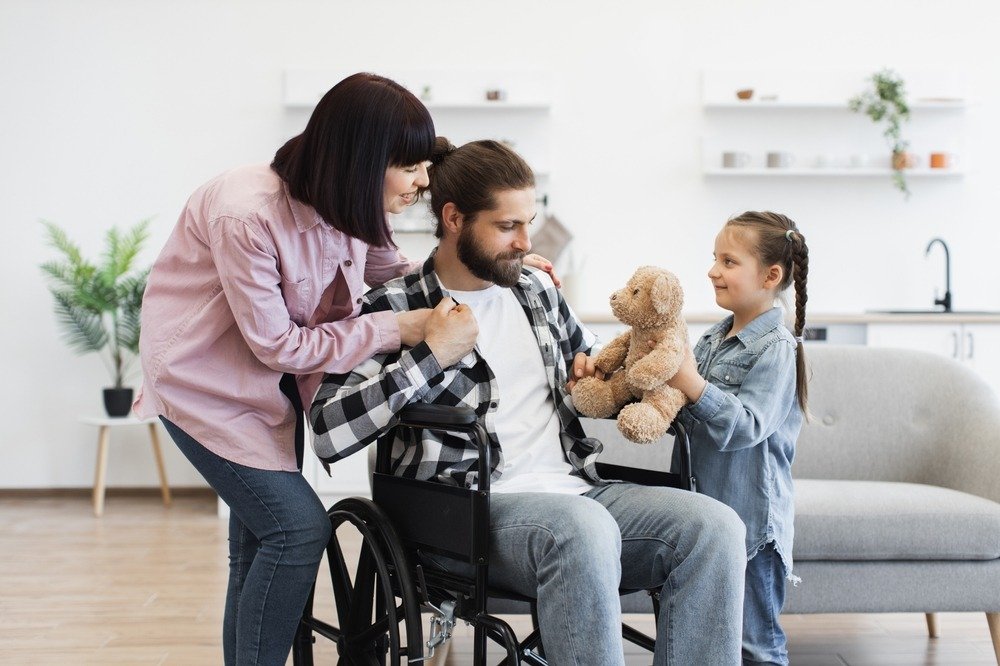
Informal care in health and social care means unpaid support from family members, friends, or neighbours. This support happens outside formal services and usually takes place at home or in the community.
This blog breaks informal care down in clear, practical terms. It explains what informal care involves and who provides it. It also shows how informal care fits into the wider UK health and social care system. By the end, you’ll understand the term clearly and feel confident using it in study, work, or everyday conversations.
TL;DR
- Family members, friends, or neighbours provide unpaid support through personal relationships, not formal roles.
- Partners, parents, adult children, relatives, and close friends often take on caring roles.
- Daily help, emotional support, and practical tasks form the core of this care. It usually happens at home or in the community.
- Ongoing personal care defines informal care, while informal support tends to involve lighter help such as advice, companionship, or short-term assistance.
- This type of care helps people stay at home and eases pressure on NHS and local authority services across the UK.
- Many carers deal with fatigue, stress, limited time, and financial pressure.
- Across the UK, carers can access help through local councils, GP services, carer assessments, and voluntary organisations.
Health and Social Care Level 3 Diploma
What Is Informal Care?
Informal care is unpaid support from family, friends, or neighbours. It helps someone manage illness, disability, mental health needs, or ageing. People usually provide this care at home or in the community, outside formal health and social care services.
UK health and care organisations, including the NHS, Carers UK, and the British Geriatrics Society, use this definition. It describes care based on personal relationships, not paid roles or contracts.
What Is Informal Support in Health and Social Care?
Informal support means help that does not involve full caregiving. People offer this support through everyday actions, often without planning or long-term responsibility.
This type of support overlaps with informal care, but it feels lighter. You might check in on someone, help now and then, or simply stay connected. The key difference sits in the level of responsibility and regularity.
You’ll often see informal support in simple, familiar ways, such as:
- Emotional support, like listening or offering reassurance
- Occasional practical help, such as shopping or lifts to appointments
- Social contact and companionship, including visits or phone calls
In health and social care, informal support often acts as a first layer of help. It may grow into informal care over time, especially when someone’s needs increase.
Informal Care vs Informal Support (Key Differences)
The key difference sits in responsibility. Informal care involves ongoing support, while informal support happens occasionally.
People often mix these two terms up. That makes sense. Both involve unpaid help from people you know. The difference shows in how much support someone needs and how often it happens.
Think of it like this. One role carries responsibility day after day. The other steps in now and then.
Here’s a simple way to compare them.
For example, a daughter who helps her parent wash, dress, and manage medication provides informal care. A neighbour who checks in, brings shopping, or has a chat offers informal support.
Both matter. They just play different roles in health and social care.
How Informal Care Contributes to Service Provision
Informal care supports how health and social care services work in practice. It fills space where formal services cannot always reach.
Below is an outline of how informal care contributes to service provision in the UK.
- Reduces pressure on NHS services
Informal carers support daily care at home. This support helps limit avoidable GP visits, hospital admissions, and emergency use. - Supports early hospital discharge
Carers often prepare the home, manage routines, and support recovery. This involvement helps people return home sooner and settle safely. - Enables community-based care
Informal care allows people to stay in familiar settings. Care continues in the community rather than moving into institutional care. - Improves continuity of care
Carers provide consistent support over time. They notice changes early and share concerns with professionals. - Fills gaps between formal services
Services follow schedules. Informal care adapts in real time and supports needs that fall between visits.
Together, these contributions help services run more smoothly. They also help people experience care that feels joined up and personal.
Why Is Informal Care Important?
Informal care matters because it supports people, families, and the wider health and social care system. It works quietly, but its impact shows every day.
For individuals
Informal care helps people stay in familiar surroundings. It supports daily routines and personal preferences. This care also builds trust, which often improves comfort and confidence.
For families
Families gain reassurance when someone they trust provides care. Informal care allows families to stay involved and informed. It also helps them respond quickly when needs change.
For the health and social care system
Informal care supports services by filling gaps between appointments and visits. It helps people remain at home and reduces avoidable pressure on formal care. This support keeps care more joined up and responsive.
Together, these benefits explain why informal care plays such a central role in health and social care across the UK.
Challenges Faced by Informal Carers
Informal carers face physical strain, emotional stress, financial pressure, burnout, and social isolation. These challenges develop over time as care responsibilities grow.
Physical strain
Caring often involves lifting, supporting movement, and helping with personal care. These tasks place pressure on the back, joints, and muscles. Fatigue increases when rest stays limited.
Emotional stress
Caring for someone you know brings constant concern. Carers worry about safety, health changes, and daily decisions. Stress often rises during illness or decline.
Financial pressure
Many carers reduce work hours or leave employment. This change affects income and long-term stability. Extra costs, such as travel or household bills, add further strain.
Burnout
Ongoing care without breaks leads to exhaustion. Carers may feel drained, irritable, or detached. Focus and motivation often drop.
Social isolation
Care limits time for friends, hobbies, and social contact. Plans often depend on care needs. Over time, carers can feel cut off from everyday life.
These challenges affect wellbeing. Early recognition helps carers access support and reduce long-term risk.
Support Available for Informal Carers in the UK
Informal carers can access financial, practical, and emotional support. UK services recognise the role carers play and offer help through different routes.
Carer’s Allowance
Carer’s Allowance provides financial support for some unpaid carers. It supports people who spend a significant amount of time caring. Eligibility depends on care hours and income.
Carer’s Assessment
Under the Care Act 2014, carers have the right to a Carer’s Assessment. This assessment looks at the carer’s needs, not the person they support. Local authorities use it to plan support.
Respite care
Respite care gives carers a break from caring. It may involve short-term care at home or in a care setting. Breaks help carers rest and recover.
Local authority support
Councils offer practical support, advice, and services. This support may include equipment, training, or help with care planning.
Voluntary organisations
Charities and community groups offer guidance and peer support. Organisations such as Carers UK provide information, helplines, and local connections.
These options help carers manage care alongside their own wellbeing.
Training and Skills for Informal Carers
Training helps informal carers provide safer care and feel more confident. It supports good practice without turning carers into professionals.
Many carers access CPD-style learning through short courses, workshops, or online modules. Options range from community-led sessions to structured qualifications, such as a Level 3 Health and Social Care diploma, which offers a broader context around care roles and responsibilities.
Summary & Key Takeaways
- Informal care plays a central role in health and social care across the UK.
- Informal carers provide unpaid, ongoing support based on personal relationships.
- Informal care works alongside formal services and fills gaps in daily support.
- This type of care supports individuals, families, and the wider care system.
- Informal carers face clear challenges and need recognition and support.
- UK services and organisations offer help to support carers in their role.
Understanding informal care helps people recognise its value, support carers better, and build care that works in real life, not just on paper.
Health and Social Care Level 3 Diploma
Frequently Asked Questions
What is informal care?
Informal care means unpaid support provided by family, friends, or neighbours. This care helps someone manage daily living, health needs, or wellbeing. It happens outside formal services and usually takes place at home or in the community, based on personal relationships rather than contracts.
What is informal support in health and social care?
Informal support refers to lighter, less regular help. It includes emotional support, occasional practical assistance, or social contact. This support does not involve full caregiving responsibility, but it still plays a useful role in helping people stay connected and supported.
Who can be an informal carer?
An informal carer can be anyone with a personal relationship to the person needing support. This includes family members, partners, adult children, young carers, friends, or neighbours. Age, background, or training does not define the role. Responsibility does.
What do informal carers do?
Informal carers support daily life and wellbeing. They help with personal care, household tasks, emotional support, and communication with services. Many also manage appointments and routines. The role often grows over time as the person’s needs change.
What are examples of informal care?
Examples of informal care include helping someone wash and dress, managing medication, supporting mental health needs, assisting with mobility, and providing daily supervision at home. These tasks often happen every day and form part of normal routines.
What are the types of informal care?
Types of informal care include personal care, practical support, emotional support, and advocacy. Some carers provide hands-on care, while others focus on coordination or reassurance. The type depends on the person’s needs and the carer’s role.
Why is informal care important?
Informal care matters because it supports people to live at home and maintain routines. It helps families stay involved and reduces pressure on formal services. This care also improves continuity, as carers often notice changes early.
How does informal care contribute to service provision?
Informal care supports service provision by filling gaps between formal care visits. It helps reduce hospital admissions, supports early discharge, and enables community-based care. Carers also share information that helps services respond more effectively.
What challenges do informal carers face?
Informal carers face physical strain, emotional stress, financial pressure, burnout, and social isolation. These challenges build over time, especially without breaks or support. Early recognition helps carers protect their wellbeing and continue caring safely.
What support is available for informal carers in the UK?
UK carers can access Carer’s Allowance, Carer’s Assessments, respite care, council support, and voluntary organisations. These options offer financial help, practical support, and advice to help carers manage their role.
What is the difference between formal and informal care?
Formal care involves paid, trained staff working through services. Informal care involves unpaid support based on personal relationships. Both often work together, but they differ in structure, accountability, and flexibility.
Can informal care work alongside formal care?
Yes, informal care often works alongside formal care. Family or friends support daily needs, while professionals provide scheduled care. This combination helps create more consistent and joined-up support.
How does informal care help people with learning disabilities?
Informal care helps people with learning disabilities by supporting routines, communication, and emotional reassurance. Carers also advocate with services and help maintain structure, which supports independence and reduces anxiety.
Is informal care recognised in UK health and social care?
Yes, UK health and social care systems recognise informal care. Laws such as the Care Act 2014 give carers rights to assessment and support. Services increasingly involve carers in care planning.
What training can help informal carers?
Training for informal carers includes short courses, workshops, and online learning. These options often cover safety, communication, boundaries, and wellbeing. Many come from councils, charities, or community organisations and fit around caring duties.