The Care Certificate is a set of 16 standards for people who work in health and social care support roles in England. It supports new staff during induction and helps them learn how to give safe, kind, and high-quality care. The Care Certificate is not a qualification. It does not …
The Care Certificate is a set of 16 standards for people who work in health and social care support roles in England. It supports new staff during induction and helps them learn how to give safe, kind, and high-quality care.
The Care Certificate is not a qualification. It does not replace formal training. It sets a clear starting point for care workers before they work on their own.
Health Education England, Skills for Care, and Skills for Health developed the Care Certificate together. They designed it to improve care quality and to meet the needs highlighted in the Cavendish Review.
Care Certificate Course – Standards (1 to 16)
Learn to promote Care Certificate Course – Standards (1 to 16)!
The Care Certificate creates shared standards. It makes sure support workers start with the same core knowledge, skills, and behaviours, no matter where they work.
The standards focus on real care practice. They guide workers on how to treat people with dignity, follow safety rules, and give compassionate support. This approach builds trust with colleagues, employers, and the people who receive care.
The Care Quality Commission supports the use of the Care Certificate. Providers often use it to show safe and effective staffing during inspections.
Who is the Care Certificate for?
The Care Certificate is designed for the non-regulated workforce. These roles do not require professional registration.
It usually applies to:
Care assistants
Healthcare support workers
Support workers
Social care support staff
Registered professionals, such as nurses or doctors, do not need to complete the Care Certificate. Their training already covers these areas.
Employers decide who needs the Care Certificate based on role and experience.
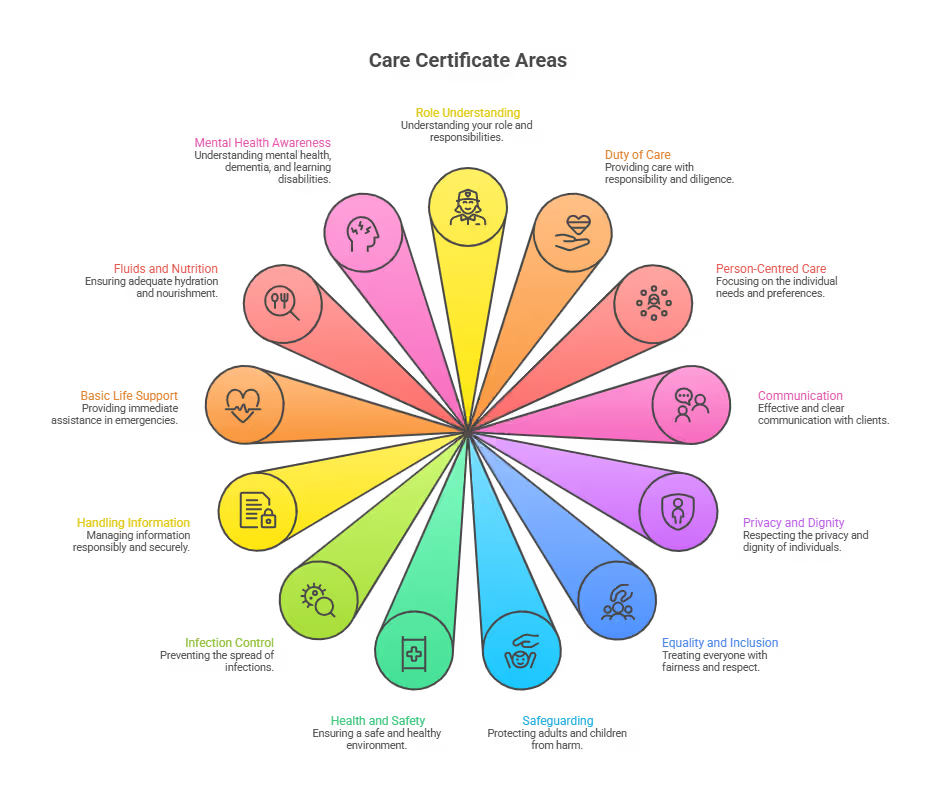
What does the Care Certificate cover?
The Care Certificate includes 16 core standards. Each standard links directly to daily care work and safe practice.
Key areas include:
Learners must complete all standards in full before they receive the certificate.
How do learners complete the Care Certificate?
Employers usually deliver the Care Certificate during induction. Learning takes place in the workplace.
Learners complete training, practical tasks, and observed care practice. Assessors check understanding through discussion and real work activity. There is no final exam.
A trained assessor signs off each standard once the learner shows safe and confident practice. Many organisations aim to complete the Care Certificate within the first few months of employment.
How does eLearning support the Care Certificate?
Free eLearning resources support the theory behind each standard. These resources follow the Care Certificate workbook and support understanding before practice.
Learners use eLearning alongside workplace learning. This helps them apply knowledge in real care settings. Extra resources also support assessors and different care environments.
How the Care Certificate links to CPD learning
The Care Certificate gives care workers a starting point. CPD learning helps them keep building skills after induction.
Many support workers choose CPD courses to deepen knowledge and grow confidence at work. These courses often focus on safeguarding, communication, mental health awareness, and person-centred care.
Royal Open College offers CPD health and social care courses that support learners after they complete the Care Certificate. These courses help workers build understanding, apply good practice, and continue professional development in line with UK care standards.
Why the Care Certificate supports better care
The Care Certificate builds strong foundations. It supports safe practice, shared standards, and confident care workers. For many people, it marks the first step in a long and meaningful career in health and social care.
Care Certificate Course – Standards (1 to 16)
Learn to promote Care Certificate Course – Standards (1 to 16)!
Flexible Level 3 Health and Social Care diplomas include online assignment-only and workplace-assessed routes. CPD-accredited courses sit outside regulated qualifications. The right route depends on your job, setting and employer.
Healthcare assistant roles in the NHS have no set entry requirements. Four Level 3 routes still lead towards the career, from T Levels to workplace diplomas. CPD learning adds knowledge, but employers decide what they accept.
UK employers recognise Ofqual-regulated Level 3 routes. These include the Level 3 Diploma in Adult Care and the Health T Level. A CPD-accredited Level 3 certificate records learning but is not a regulated qualification. Check the Ofqual Register and the employer’s requirements before you enrol.