If you are comparing NVQ Level 3 with A levels, a diploma, or university entry, this guide gives a clear UK answer. It explains where NVQ Level 3 sits on the qualification framework, what “equivalent” means in practice, how employers often read “Level 3 or equivalent,” and why you should always check the exact qualification before making study or job decisions.
Different types of disabilities in the UK are often explained through broad groups such as physical, sensory, learning, mental health related, and non visible disabilities. This guide clears up the mixed messages online by explaining what these categories mean, where they overlap, and why terms like learning disability, learning difficulty, and neurodivergence should not be used as if they mean the same thing.
In UK care settings, safe medication administration relies on more than the five rights. This guide shows how competence, MAR and eMAR records, medicines reconciliation, refusal handling, communication, storage, and learning from near misses all work together to reduce risk. It gives practical, workplace-focused guidance for carers, support staff, and managers.
A safeguarding concern often brings in social care, police, health staff, schools, or care providers. That still does not mean responsibility is shared equally. This guide explains who legally leads safeguarding enquiries in the UK, how Section 42 differs from Section 47, what coordination means in practice, and why the local authority remains accountable even when other agencies carry out parts of the work.
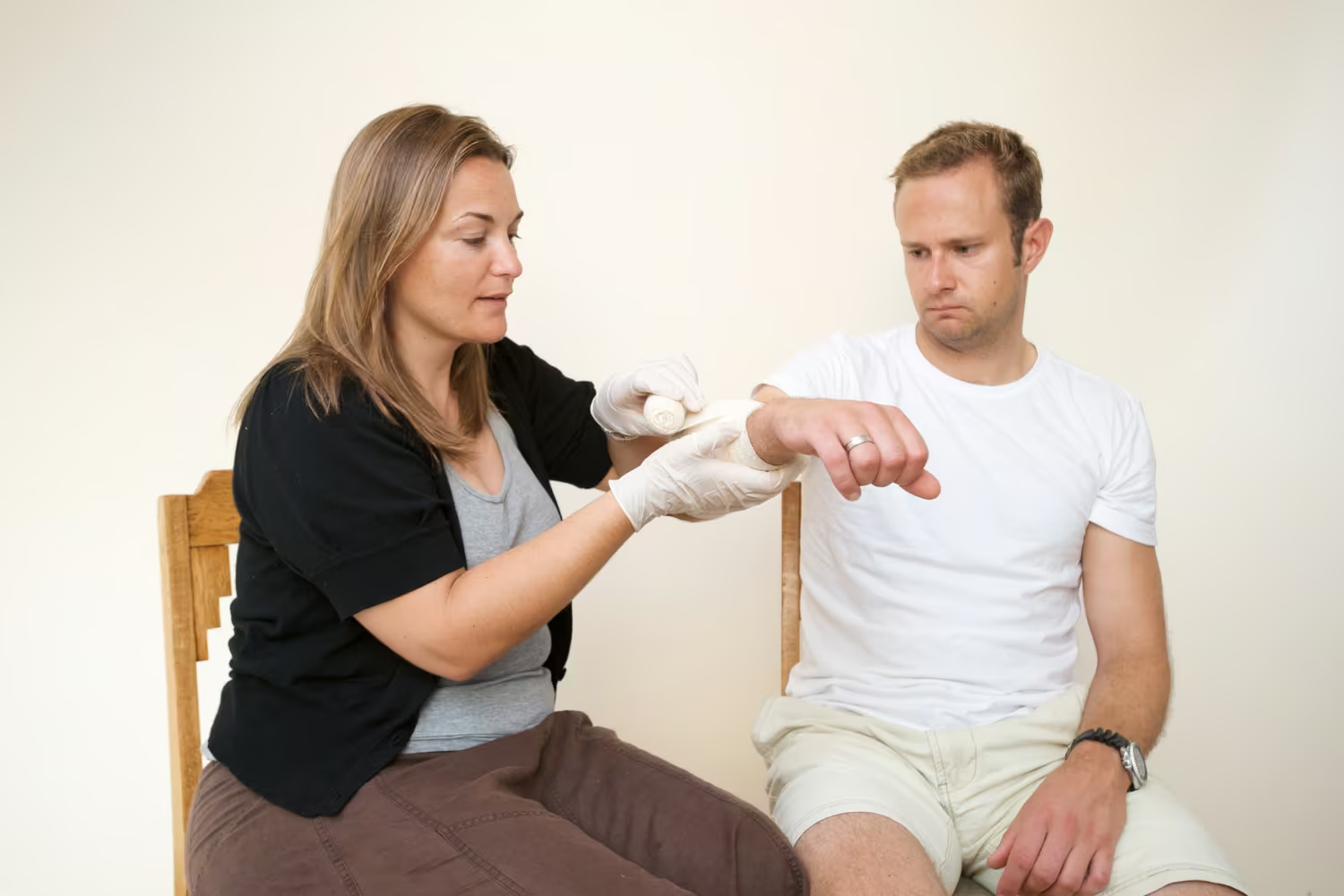
A wet bandage does more than feel uncomfortable. It can weaken the dressing, irritate the skin, and leave the wound less protected. This guide explains how to keep a bandage dry in the shower, how to choose the right cover for your wound, why showering is often safer than bathing, and the steps to take if the dressing gets damp, starts lifting, or gets fully wet.
Care home uniforms are crucial for maintaining hygiene, safety, and professionalism in the care sector. From role identification through colour coding to ensuring infection control, uniforms play a key part in creating a structured and safe environment. This guide covers what staff actually wear, the importance of hygiene standards, and employer policies that impact care home uniforms in the UK.
In health and social care, Duty of Care ensures that care workers prevent harm, while Duty of Candour promotes openness and honesty when things go wrong. This guide explains their connection, legal obligations, and the impact on patient safety, building trust and accountability. Practical steps and examples are included for healthcare professionals.
This guide helps learners complete Care Certificate Standard 5 with clear answer support, practical examples, and easy tables covering person-centred values, dignity, changing care needs, discomfort, identity, and wellbeing. Built to help you understand the workbook and write better responses in your own words.
If you have seen the phrase EMI care during a care home search, this guide breaks it down clearly. It explains the meaning of EMI, why many providers now use different terms, how EMI units work in practice, when this level of support may be needed, what families should ask before choosing a home, and how EMI compares with residential dementia care and nursing care.
When a safeguarding concern is raised against you, the process can be overwhelming. This guide breaks down the investigation process, what to expect at each stage, and the potential outcomes, from suspension to external referrals. Learn how to respond, what your rights are, and what happens if the concern is unsubstantiated. Stay clear and calm throughout the process.