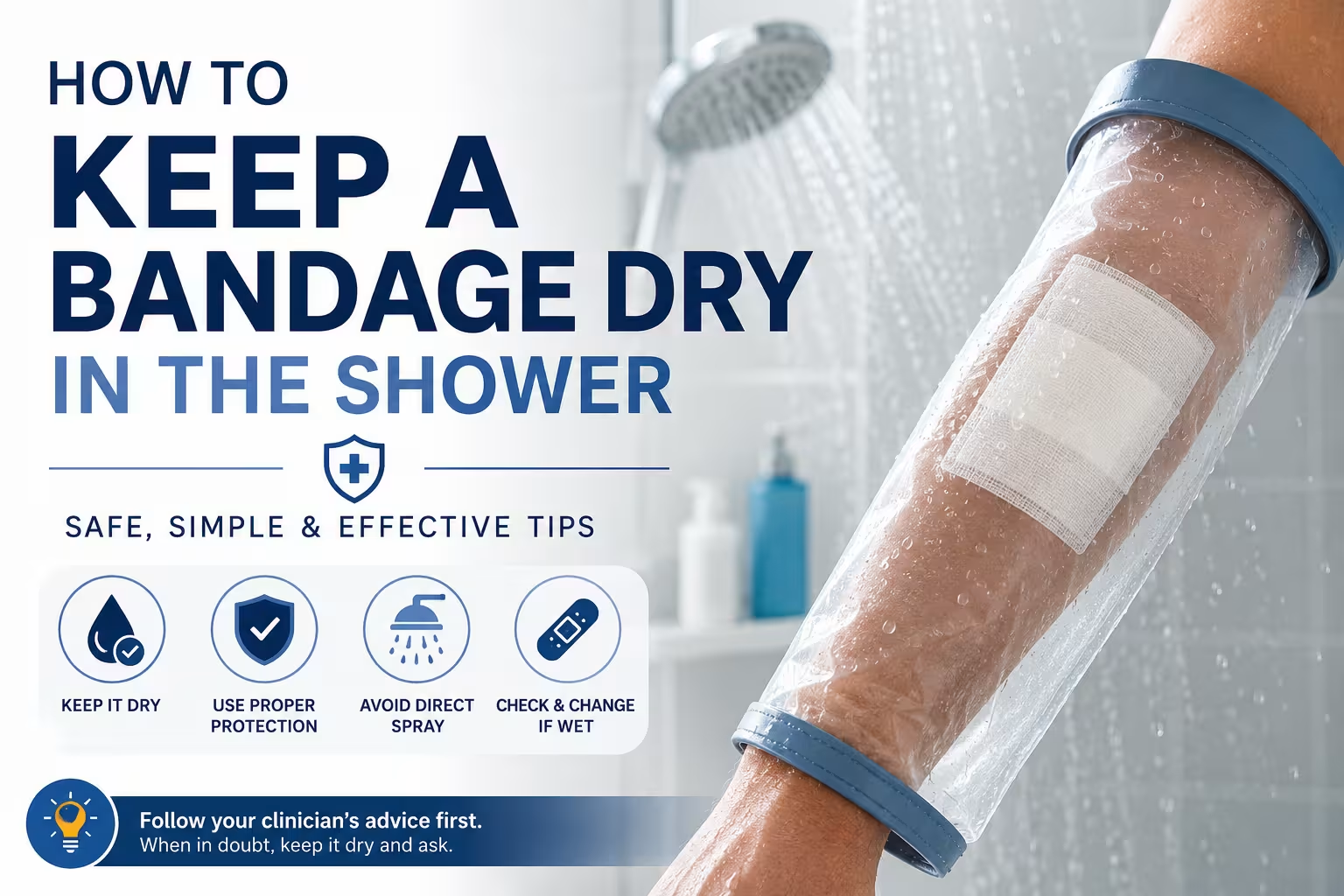
You have a cut, stitches, or a fresh post surgery dressing. You need a shower, yet you do not want to soak the bandage, loosen the adhesive, or upset the wound. That worry is common. The right approach depends on the type of dressing, where it sits on the body, and what your nurse, GP, clinic, or hospital team told you after treatment.
Trusted hospital guidance often says a shower is better than a bath because the wound is less likely to soak, though many people still need extra care in the first 24 to 48 hours after surgery or a procedure. Some waterproof dressings stay on in the shower. Some padded or bulky dressings need to stay dry.
This guide explains the safest methods, the common mistakes, the real risks, and the steps to take if the dressing gets wet, so you know what to do before, during, and after the shower.
TL;DR, How to Keep a Bandage Dry in the Shower
The safest way to keep a bandage dry in the shower is to follow your own dressing advice first, use a proper waterproof dressing or shower cover where suitable, keep the area out of direct spray, avoid soaking, and change the dressing if the absorbent part gets wet.
- Follow your nurse, GP, clinic, or discharge advice before any general tips.
- Use a waterproof dressing if your wound team said it is suitable for showering.
- Use a shower sleeve or cast-style protector for dressings on arms or legs.
- Use plastic wrap and waterproof tape only as a short-term backup, not the best long-term option.
- Keep showers short, use lukewarm water, and keep the dressing away from direct spray.
- Avoid baths and soaking, especially early after injury or surgery.
- Dry the outside cover first, then check whether the dressing underneath stayed dry.
- If the pad under the dressing is wet, dirty, loose, or leaking, replace it if you were told how. If you were told not to remove it, contact your nurse, GP practice, clinic, or NHS 111 for advice.
Can You Shower With a Bandage On?
Yes, in many cases you are able to shower with a bandage on, though the answer depends on the dressing type and the advice given after treatment. A small waterproof dressing often stays in place during a short shower.A standard gauze dressing, a bulky padded bandage, or a fresh post operative dressing often needs extra protection, and some need to stay fully dry.
Hospital advice often warns people to take extra care in the first 24 to 48 hours after surgery or a minor procedure, since this is when the wound and dressing are more vulnerable.
A shower is usually safer than a bath for a healing wound. The reason is simple. In a shower, water runs off. In a bath, the dressing sits in water and soaks for longer. That raises the chance of a wet dressing, adhesive failure, and skin maceration around the wound. Even with a waterproof dressing, do not hold the area under strong spray for long.
Waterproof does not mean risk free. It still needs a good seal and the right fit. If your discharge sheet says keep the wound dry, leave the dressing on, or avoid showering for a set period, follow that advice over any general rule.
Why Keeping a Bandage Dry Matters
Keeping a bandage dry helps the dressing do its job. A clean, dry dressing protects the wound from dirt, friction, and bacteria. Once the absorbent pad gets wet, the barrier weakens. The adhesive edges lift more easily.
The bandage may rub, shift, or peel away before the wound is ready. Moisture around the wound also raises the risk of maceration, where the skin turns white, soft, and soggy. That weak skin breaks down more easily and often heals more slowly.
Not every splash creates a serious problem. If only the outside cover gets a few drops and the dressing underneath stays dry, the risk is low. The bigger issue starts when water gets into the pad, sits against the skin, or carries soap and shower products into the wound area. That is why good aftercare focuses on checking the whole dressing, not only the top layer.
A wet bandage also leads to more dressing changes, more skin irritation from repeated tape removal, and more guesswork for the person trying to care for the wound. Keeping the dressing dry is one of the simplest ways to protect healing, reduce avoidable problems, and keep wound care on track.

Best Ways to Keep a Bandage Dry in the Shower
The best method depends on the wound and the dressing, though not all options work equally well. Some are reliable. Some are only backups. The safest route is to use the method that matches the dressing type and the body area.
Waterproof Dressings, Best For Small Wounds
A waterproof dressing is often the best option for a small cut, a clean surgical wound, or a simple post procedure site, if your clinician said it is suitable. These dressings create a seal around the wound and often cope well with a short shower.
They work best on flatter body areas where the edges stick well. They work less well if the skin is oily, hairy, sweaty, or moving a lot. Waterproof and splash proof are not always the same thing, so check the dressing instructions or your discharge advice.
Shower Sleeves Or Cast Protectors, Best For Limbs
A shower sleeve or cast style protector is often the strongest choice for dressings on the arm, hand, lower leg, foot, or ankle. It covers the whole area and offers more protection than cling film or a loose plastic bag. This works well for bulky dressings and awkward body parts.
Pick the right size, and do not force the seal too tightly around the limb. A tight seal that digs in is not safer. It risks discomfort and poor circulation.
Plastic Wrap And Waterproof Tape, Temporary Use
Bag Method, Emergency Only
A clean plastic bag is the weakest option and should sit at the bottom of the list. It is better than nothing in an urgent situation, though it does not seal well, shifts easily, and often leaves gaps where water sneaks in.
Use it only for a short shower and only when a better option is not available. Do not rely on this method for large dressings, fresh surgical wounds, or areas close to heavy water flow.
Keeping The Area Out Of Water
Even with a cover, keep the bandaged area away from direct spray. A handheld shower head, a shower chair, or turning the body so the dressing stays out of the main water path all lower the chance of leaks.
This matters even more for shoulder, elbow, knee, foot, and hip dressings, where movement often loosens covers. In short, the safest order is this: suitable waterproof dressing first, shower sleeve second, plastic wrap third, bag method last.
How to Choose the Right Method for Your Situation
The right method depends on three things. What type of wound you have. What type of dressing sits on it. Where it sits on the body. A simple decision guide makes this easier.
Quick Decision Guide
- Small cut with a flat waterproof dressing on the arm, leg, or torso. A short shower is often fine if the seal is secure and you keep the area out of direct spray.
- Small cut with a non waterproof plaster or gauze pad. Add a waterproof cover or use plastic wrap as a short term shield.
- Stitches, Steri Strips, or surgical glue. Follow the discharge advice first. Many people need extra care in the first 24 to 48 hours, and some need the area kept dry for longer.
- Bulky padded dressing or large post operative bandage. Use a proper shower sleeve or avoid showering if you were told to keep it dry.
- Hand, finger, foot, or ankle dressing. Use a full cover where possible, since these areas are awkward and leak more easily.
- Elbow or knee dressing. Choose a method that still works when the joint bends. Loose wrap often fails here.
- Torso dressing. A waterproof dressing often works better than bulky wrapping, though the final choice depends on wound size and your advice sheet.
- If you are unsure, use the safer option. Keep the dressing dry, wash around the area, or have a sponge wash until you get clear advice.
When Should You Avoid Showering Completely?
There are times when skipping the shower is the safer choice. Avoid showering if your discharge advice says keep the wound dry, do not remove the dressing, or wait until a set date.
The same applies if the wound is still open, leaking, heavily padded, or covered by a dressing that you know is not waterproof. Some people also need to avoid showering in the first day or two after surgery, depending on the procedure and the dressing used.
You should also avoid showering if you cannot protect the area properly. This matters for dressings on the foot, lower leg, hand, or a joint that bends a lot. If you do not have the right cover and the dressing is important to keep dry, a sponge wash is often the better option. Wash the rest of the body while keeping the wound area dry.
That is usually easier, safer, and less stressful than trying a weak DIY fix and hoping it works. A shower should not turn into a risk because you feel rushed. When the wound is fresh, bulky, or under strict instructions, pausing the shower for a short period often protects healing better than pushing ahead.
What to Do If Your Bandage Gets Wet
If The Whole Dressing Is Soaked
A soaked dressing, a leaking wound, spreading redness, more pain, swelling, bad smell, pus, bleeding that will not settle, fever, or a wound that starts opening all need prompt advice. If you were told not to remove the dressing yourself, do not guess.
Contact the service that treated you, your GP practice, or NHS 111. A cool hairdryer is sometimes mentioned online for a slightly damp outer layer, though it is not the best answer for a wet absorbent dressing. A fresh dry dressing is usually the safer route when removal is allowed.
Common Mistakes to Avoid
Many dressing problems start with simple mistakes. One of the most common is assuming all dressings are waterproof. They are not. Some are waterproof. Some are only splash resistant. Some padded post-operative dressings should stay dry throughout the early healing stage. Another common mistake is wrapping plastic or tape too tightly.
People often do this to block water, though a tight wrap presses into the skin and risks poor circulation, discomfort, and pressure marks.
Another mistake is treating every DIY option as equal. A proper waterproof dressing or shower sleeve is stronger than cling film. A clean plastic bag is a backup, not a top method. Reusing a wet dressing is another poor choice. Once the pad is wet, dirty, or loose, it no longer protects the wound well. People also make trouble for themselves by taking long hot showers. Heat and steam loosen adhesive edges and raise the chance of leaks.
Soap directly on the wound is another avoidable issue. It irritates healing tissue and makes the dressing area harder to manage. Good wound care is often less about clever tricks and more about avoiding the small habits that damage the seal, soak the dressing, or irritate the skin.
Practical Tips for Safer Showering
A safer shower starts before the water runs. Gather what you need first, such as your waterproof cover, tape, clean towel, and spare dressing if you were told to change one if wet. Apply any cover on dry skin, not damp skin.
Wet skin weakens the seal before you even start. Keep the shower short and use lukewarm water rather than hot water. Hot water and steam often loosen the edges of a dressing or cover.
These small changes help a lot:
- Use a handheld shower head for better control.
- Sit on a shower chair if balance feels less steady.
- Turn your body so the bandage stays out of the main water flow.
- Keep soap, shower gel, and lotion away from the healing wound.
- Dry the outside cover before removing it, so trapped water does not spill onto the dressing.
- Pat the skin dry gently. Do not rub the wound area.
Simple decision flow
Start
↓
Did your clinician say the dressing is safe in the shower?
- Yes
↓
Is the dressing waterproof or well protected with a proper cover? - Yes
↓
Take a short lukewarm shower. Keep the area out of direct spray.
↓
Check the dressing after the shower.
↓
If dry and secure, leave it in place.
↓
If damp, loose, or soaked, follow your dressing advice or seek help. - No
↓
Use a sponge wash instead.
↓
Keep the dressing dry.
↓
Ask your nurse, GP practice, clinic, or NHS 111 if you need more guidance. - Not sure
↓
Choose the safer option.
↓
Do not shower the area.
↓
Get advice before the next wash.
Authority Note, Always Follow Your Clinician’s Advice
Summary, Keeping Your Bandage Dry Safely
Keeping a bandage dry in the shower starts with one simple rule. Match the method to the dressing and the wound. A suitable waterproof dressing or a proper shower sleeve usually offers the best protection.
Plastic wrap is a short term fix. A plastic bag is a last resort. A shower is often safer than a bath because the wound is less likely to soak, though fresh wounds and post surgery dressings often need extra care in the first 24 to 48 hours.
Keep the area out of direct spray. Keep showers short. Avoid soap on the wound. Pat dry rather than rub. If the dressing gets wet, check whether only the outer layer was splashed or whether the absorbent pad is wet through.
Replace a wet dressing if your plan allows it. If you were told not to remove it, or if you notice redness, swelling, smell, pus, fever, or rising pain, get advice from your nurse, GP practice, clinic, or NHS 111. That safety first approach gives your wound the best chance to heal cleanly and with fewer setbacks.
Frequently Asked Questions
Q: Can I shower with stitches?
A: Yes, many people shower with stitches, though timing and dressing type matter. Follow your discharge advice first, since some wounds need extra care in the first 24 to 48 hours.
Q: How long should I keep a bandage dry?
A: There is no single answer for every wound. Many people are told to take extra care for the first 24 to 48 hours, though your own wound plan matters more than a general timeline.
Q: What happens if my dressing gets wet?
A: A wet dressing may lift, lose its seal, irritate the skin, and protect the wound less well. If the absorbent pad is wet, the dressing often needs changing.
Q: Can I use cling film to cover a wound?
A: Cling film is a short term backup, not the best option. It works better for a quick shower than for daily wound care, and it often fails on joints, hands, and feet.
Q: Are waterproof bandages safe for showering?
A: Many waterproof dressings are suitable for a short shower if they are applied well and your clinician said they are appropriate. Even then, keep the area out of direct spray and check the seal after washing.
Q: Can I take a bath instead?
A: A bath is usually less suitable than a shower for a healing wound because the dressing sits in water and soaks for longer. That raises the chance of leakage and skin maceration.
Q: How do I keep a foot bandage dry?
A: A proper full cover or shower protector is usually the best option for a foot dressing. Feet and ankles are awkward areas, so loose wrap and bag methods often leak.
Q: Can I shower after surgery?
A: In many cases yes, though the answer depends on the procedure, the dressing, and the aftercare plan. Many people need extra caution in the first day or two after surgery.
Q: Should I change my dressing after every shower?
A: Not always. If the dressing stayed dry, sealed, and clean, you often leave it in place unless you were told otherwise. If it got wet, loose, or dirty, a change is often needed if your plan allows it.
Q: What are signs of infection?
A: Look for spreading redness, more swelling, warmth, pus, bad smell, fever, worsening pain, or a wound that starts opening. Those signs need prompt advice from a clinician.
Q: Can I shower without covering the bandage?
A: Only if the dressing is meant for showering and your clinician said that is fine. Standard gauze dressings, bulky bandages, and many fresh post surgery dressings need more protection.
Q: Are shower sleeves reusable?
A: Many shower sleeves and cast protectors are reusable, though you should check the product instructions and the condition of the seal before each use. A damaged seal lowers protection fast.
Q: Can I shower with Steri Strips on?
A: In many cases Steri Strips stay on during brief washing, though rubbing, soaking, and direct spray are poor choices. Follow the wound instructions given after your procedure because removal timing varies.
Q: What is the difference between waterproof and splash proof dressing?
A: A waterproof dressing usually offers a stronger water barrier for short washing. A splash proof dressing deals better with light water contact than with direct spray or soaking, so the label matters.
Q: What does macerated skin look like?
A: Macerated skin often looks white, soft, wrinkled, and soggy. It happens when moisture sits on the skin too long, often under a wet dressing.