







Everything You Need to Know About Care Home Uniforms in the UK

Everything You Need to Know About Care Home Uniforms in the UK

Care home uniforms are crucial for maintaining hygiene, safety, and professionalism in the care sector. From role identification through colour coding to ensuring infection control, uniforms play a key part in creating a structured and safe environment. This guide covers what staff actually wear, the importance of hygiene standards, and employer policies that impact care home uniforms in the UK.

In a busy care home, confusion can arise when a resident, especially one living with dementia, fails to recognise who is caring for them. A nurse, easily identifiable by their navy uniform, walks in to administer medication. The confusion clears almost instantly, as the patient knows the nurse is a trusted professional.

Care home uniforms are far more than just work attire. They help staff identify each other, ensure infection control, and establish a professional appearance that provides reassurance to residents and their families. But the question remains: what exactly do care home staff wear, and why do these uniforms matter?

In this guide, we’ll break down the essential aspects of care home uniforms in the UK, what staff actually wear, the legal guidelines, differences from PPE, and how these uniforms contribute to both safety and professionalism.

TL;DR

  • Uniforms help identify care roles, contributing to patient safety and reducing confusion.
  • Care home uniforms are not legally standardised, but they are heavily influenced by infection control and employer policy.
  • Uniforms differentiate care assistants, nurses, and senior staff using colour-coded systems.
  • Uniforms are distinct from PPE (personal protective equipment), which is used for specific protection during high-risk tasks.
  • Footwear must be comfortable, closed-toe, and slip-resistant to support staff during long shifts.

Nursing Assistant Level 3 Diploma

Learn to Promote Nursing Assistant Level 3 Diploma!

What Are Care Home Uniforms?

Care home uniforms are workwear chosen by employers to serve a variety of practical purposes in care settings. These uniforms help identify staff roles, promote hygiene, and ensure comfort for those working long shifts. Unlike a dress code, which can vary by employer and may allow more flexibility, uniforms are specific, often standardised attire designed for daily use in healthcare environments.

Common items in care home uniforms include tunics, polo shirts, trousers, and footwear that are easy to move in and clean. The choice of colour or design may also help distinguish roles, care assistants might wear one colour, while nurses or supervisors wear another. These uniforms are essential for maintaining professionalism, ensuring staff are easily recognised, and helping control infection in environments where cleanliness is paramount.

Are Care Home Uniforms Required by Law in the UK?

In the UK, care home uniforms are not legally required by a specific law, but they are influenced by several guidelines and regulatory expectations. While there is no law that mandates care homes to provide uniforms, infection control and safety regulations play a significant role in the decision to use uniforms.

Law

There are no UK laws that require care staff to wear uniforms. However, employers must comply with general health and safety regulations and infection control standards. For example, the Health and Safety at Work Act and the Control of Substances Hazardous to Health (COSHH) regulations influence how staff attire should meet safety requirements.

Guidance

While not legally binding, guidance from organisations like the Care Quality Commission (CQC) recommends that care homes implement uniform policies to maintain hygiene standards and ensure the safety of both staff and residents.

Employer Policy

The decision to require uniforms is typically left to the employer’s discretion. Care homes often create uniform policies to maintain a professional image, ensure easy staff identification, and support hygiene practices, especially in environments like dementia care settings. Each care home may tailor its policy to meet its specific needs and resident requirements.

What Do Care Home Staff Actually Wear?

What Do Care Home Staff Actually Wear

In care homes, the clothing worn by staff varies depending on their specific role. The uniforms are designed to be comfortable, functional, and hygienic, with each role having its own set of requirements. Here’s a look at the typical attire worn by different care home staff:

Care Assistants and Carers

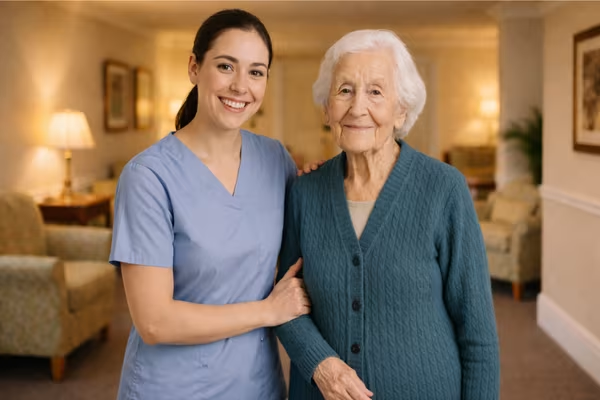
Care assistants often wear scrubs or tunics paired with comfortable trousers and slip-resistant shoes. These uniforms are chosen for their durability, ease of movement, and ease of cleaning. For roles that require close personal care, short sleeves are common to support infection control.

Tunics often have pockets for carrying necessary items like gloves or pens. Footwear is essential for comfort and safety, with staff usually wearing closed-toe shoes with non-slip soles to prevent accidents on slippery floors.

Nurses and Senior Staff

Nurses typically wear navy blue or royal blue tunics and trousers. Senior staff, such as nurse supervisors, may wear darker shades, like dark green or black, to distinguish themselves from other team members. The uniform is designed for comfort, ensuring that nurses can carry out their duties efficiently while looking professional.

Nurses also follow infection control guidelines, so their uniforms often feature short sleeves to allow for proper hand hygiene and easy cleaning. Footwear for nurses is also critical, with comfortable, supportive shoes being a necessity due to long hours and the physical demands of the role.

Domestic, Catering, and Support Staff

Domestic and catering staff have a more relaxed dress code compared to clinical staff, but hygiene and safety remain a priority. Domestic staff may wear polo shirts or blouses paired with trousers or skirts. Catering staff are usually provided with aprons and chef jackets that are designed to be heat-resistant and easy to clean.

These uniforms are typically breathable to help staff stay comfortable during long shifts. Both domestic and catering staff must wear closed-toe shoes to ensure safety when moving around the care home.

Support staff, like administrators or maintenance workers, may wear polo shirts with the care home’s logo and trousers or jeans. These uniforms are more casual but still professional and easily identifiable. Depending on the setting, these staff members may also be required to wear identification badges to make them easily recognisable by residents and visitors.

What Is the Difference Between Uniform and PPE?

What Is the Difference Between Uniform and PPE

Why Do Care Home Staff Wear Uniforms?

Uniforms ensure both staff and resident safety, support hygiene, and provide a clear, professional presence in the care environment.

Hygiene

Uniforms help maintain a clean and hygienic environment. They are designed to be easily washable at high temperatures, preventing the spread of bacteria and infections. For example, nurses and care assistants often wear short-sleeve tunics, which are easy to clean and allow for proper hand hygiene, crucial in infection control.

Identification

Uniforms make it easy for residents and visitors to identify care staff, especially those with dementia. Clear role identification helps reduce confusion and anxiety. For instance, a navy tunic might indicate a nurse, while a lighter blue tunic might signify a care assistant.

Professionalism

Wearing a uniform conveys professionalism and builds trust. Residents and their families feel reassured when care staff look well-groomed and consistent in appearance. This professional image fosters confidence in the quality of care being provided.

Safety

Uniforms, particularly slip-resistant shoes and comfortable clothing, support staff safety, especially during long shifts. They ensure that staff can move freely, manage their tasks efficiently, and reduce the risk of injury.

Do Care Home Uniform Colours Have Meaning?

In care homes, colour-coded uniforms are commonly used to distinguish between roles. These colour schemes vary across employers but are crucial for ensuring clarity in patient care:

  • Navy blue or royal blue often signifies nurses or senior staff.
  • Light blue or pale green can indicate care assistants.
  • Red or burgundy uniforms often identify supervisory staff.

This helps residents, particularly those with dementia, recognise who is caring for them and what role each staff member plays.

What Are the Key Hygiene and Safety Rules for Uniforms?

While specific guidelines may vary by employer, here are the key hygiene and safety rules that are generally followed:

  1. Clean Uniforms: Staff should wear clean uniforms every day to reduce the risk of cross-contamination. Many care homes provide uniforms for staff to ensure they are freshly laundered and adhere to infection control standards. Uniforms should be washed at high temperatures (typically 60°C) to kill bacteria.
  2. Short Sleeves: Short sleeves are commonly required for clinical staff (e.g., nurses and care assistants) to ensure easy access to hands for hand hygiene. Bare below the elbows is an infection control practice that helps reduce the risk of transferring bacteria to residents during direct care tasks.
  3. Footwear: Comfortable, closed-toe shoes are mandatory. Footwear should have slip-resistant soles to ensure safety on potentially slippery floors. Comfortable shoes also support staff during long shifts, helping reduce strain on their feet and legs.
  4. Minimal Jewellery and Nails: Jewellery should be kept to a minimum. Plain stud earrings or a simple ring (e.g., wedding band) are usually permitted, but long necklaces and hoop earrings are discouraged as they can harbour bacteria or become a safety hazard. False nails or long nails should be avoided as they can compromise hand hygiene and increase the risk of infection.
  5. Appropriate Attire for Tasks: Uniforms should be suitable for the specific role and tasks performed. For example, care assistants may wear scrubs or tunics that allow free movement and comfort, while catering staff may wear aprons and chef jackets that are easy to clean and resistant to food stains.

What Footwear Should Care Home Staff Wear?

What Footwear Should Care Home Staff Wear

The right shoes help prevent slips and falls while ensuring staff can work efficiently during long shifts. Key factors to consider when choosing footwear include:

  • Closed-toe: Shoes should be closed-toe to protect feet from accidents, such as spills or dropped objects. Open-toe shoes increase the risk of injury, especially in care environments where safety is crucial.

  • Slip-resistant: Slip-resistant soles are a must to prevent accidents, especially in areas where floors can become wet or slippery due to cleaning or spills. This is particularly important for staff who are constantly on their feet.

  • Comfortable and supportive: Since care home staff work long hours, shoes should be comfortable and provide adequate support to reduce strain on feet, knees, and lower back. This helps staff maintain their focus on patient care without being distracted by discomfort.

  • Easy to clean: Footwear should be made of materials that are easy to clean, helping to maintain hygiene standards in the care environment. Regular cleaning ensures the shoes do not harbour bacteria, which is essential in infection control.

Can Care Home Staff Wash Uniforms at Home?

Whether care home staff can wash their uniforms at home depends on employer policies. While some care homes provide laundry services to ensure uniforms are cleaned to the required infection control standards, others may allow staff to wash their uniforms at home, provided they follow safe laundering practices.

If washing at home is allowed, staff must ensure they use high temperatures (typically 60°C or higher) to kill bacteria and other pathogens. Separate washing of work uniforms from personal clothing is also recommended to avoid cross-contamination. It’s essential that uniforms are properly dried to maintain hygiene standards.

In any case, employers will set clear guidelines to ensure that uniforms are kept clean and hygienic at all times to prevent infection and maintain safety in the care environment.

Do Care Homes Follow NHS Uniform Rules?

No, care homes do not automatically follow NHS uniform rules. While both the NHS and care homes must adhere to infection control and hygiene standards, care homes have their own uniform policies tailored to their specific care environment.

Unlike the NHS, where uniform standards are more formal and regulated, care homes have the flexibility to create policies that best suit their residents’ needs and the atmosphere they wish to maintain. For example, some care homes may opt for more relaxed dress codes or dementia-friendly uniforms to reduce a clinical feel.

How Do Care Home Uniforms Balance Safety and a Homely Environment?

Care home uniforms play a crucial role in maintaining both safety and a welcoming, homely environment. While uniforms are necessary for hygiene, professionalism, and role identification, they must also be designed to reduce the clinical feel that might make residents uncomfortable.

To strike this balance, many care homes adopt dementia-friendly uniforms, using soft colours like light blue or green instead of stark white or clinical colours. This helps create a more relaxed atmosphere while still ensuring that staff can be easily identified. For example, polo shirts or soft tunics can be just as professional but less formal, promoting a homely feel without compromising safety or hygiene.

How Do Care Home Uniforms Balance Safety and a Homely Environment

Practical Tips: What Should You Wear to Work in a Care Home?

If you’re starting your first shift in a care home, it’s important to wear comfortable and appropriate attire that meets the care home’s uniform policy. Here are some practical tips for what to expect and wear:

Follow the Uniform Policy

Most care homes provide a uniform, which you’ll need to wear during your shift. This often includes tunics or scrubs paired with comfortable trousers. If your care home has a dress code, make sure you adhere to it by wearing clean and professional attire.

Comfortable Footwear

Choose closed-toe shoes with non-slip soles to ensure safety during long shifts. Comfortable, supportive footwear will help reduce foot strain and keep you safe in areas that may get wet.

Minimal Jewellery

For hygiene and safety reasons, it’s recommended to avoid wearing excessive jewellery. Plain stud earrings and a simple ring are usually acceptable, but avoid necklaces or bracelets that can catch on equipment or become a hygiene risk.

Short Sleeves for Hygiene

Depending on the care home’s policy, short sleeves are often required to maintain hand hygiene. Be sure to check with your employer about specific uniform requirements like bare below the elbows for infection control.

Stay Professional and Comfortable

Above all, your uniform should allow for ease of movement while looking professional. Choose materials that are comfortable for long shifts and easy to clean, ensuring you can focus on your work without worrying about your clothing.

Summary: Key Takeaways on Care Home Uniforms

Care home uniforms are essential for maintaining hygiene, safety, and professionalism in care settings. Uniforms help identify staff roles, ensuring that residents and families can easily distinguish between carers, nurses, and senior staff. While uniforms are not legally required by law, they are vital for infection control and creating a reassuring environment, especially in dementia care.

The choice of uniforms varies by role and employer policy, with colour-coded uniforms often used to differentiate staff. Key hygiene practices, such as short sleeves and comfortable, slip-resistant footwear, ensure safety and cleanliness. Care homes balance the need for professional appearance with a homely environment, tailoring uniform policies to meet both safety and comfort requirements.

Nursing Assistant Level 3 Diploma

Learn to Promote Nursing Assistant Level 3 Diploma!

FAQ

Q: Do carers have to wear uniforms in the UK?

A: Uniforms are not legally required in the UK, but many care homes have uniform policies for staff to maintain professionalism, hygiene, and safety.

A: Care home staff typically wear tunics, scrubs, polo shirts, and trousers. The uniform can vary based on the staff role, with different colours or styles to distinguish between care assistants, nurses, and senior staff.

A: Yes, in most cases, employers provide uniforms for staff to ensure they meet hygiene standards and maintain a professional appearance. Some care homes may also offer a uniform allowance.

A: Many care assistants wear scrubs or tunics as their primary workwear. These are comfortable, easy to clean, and suitable for the physical demands of the role.

A: Carers should wear comfortable, closed-toe shoes with slip-resistant soles to prevent accidents and ensure comfort during long shifts. Supportive footwear is essential for safety.

A: Minimal jewellery is allowed, such as plain stud earrings or a simple ring. Rings with stones, necklaces, and bracelets should be avoided for hygiene and safety reasons.

A: “Bare below the elbows” refers to a hygiene practice that requires staff to wear short sleeves and avoid long sleeves, jewellery, and wristwatches to maintain effective hand hygiene in clinical care settings.

A: No, uniforms are regular workwear worn daily, while PPE (Personal Protective Equipment), such as gloves, masks, and aprons, is used during specific tasks to protect staff from potential hazards.

A: No, colour-coded uniforms are not universal across the UK, but many care homes use colours to differentiate between roles (e.g., nurses may wear navy blue, and care assistants may wear light blue).

A: Some care homes allow staff to wash uniforms at home, provided they follow hygiene guidelines, such as washing at high temperatures (60°C or more) to ensure cleanliness and infection control.

A: For a care job interview, you should wear smart, professional attire. A buttoned shirt or blouse with trousers or a skirt is appropriate, keeping a neat and respectful appearance.

A: No, care homes do not automatically follow NHS dress codes, as each care home has its own uniform policy, often tailored to its specific environment and the needs of its residents.

A: Uniforms in dementia care help residents identify staff easily, reducing confusion and anxiety. Clear identification provides reassurance to both residents and families, promoting a safe, calming environment.

A: Most care homes require staff to wear uniforms to ensure hygiene and safety standards are met. However, some care homes may offer relaxed dress codes for non-clinical tasks or social activities.

A: Employers typically provide uniforms for staff, although some homes may require staff to purchase their own. If uniforms are provided, they are often part of the care home’s employment package.

Recent Blogs

5 Skills Every UK Care Employer Wants (and How to Prove You Have Them)

5 Skills Every UK Care Employer Wants (and How to Prove You Have Them)

UK care employers do not hire based on good intentions. Under CQC Regulation 18, they must evidence staff competence at every inspection. This guide covers the 5 skills every UK adult social care employer screens for, why each one has a regulatory basis, and how to prove yours through your CV, interview, the Care Certificate, and workplace evidence.

CQC Standards and Training What Care Staff Need to Know in 2026

CQC Standards and Training: What Care Staff Need to Know in 2026

CQC does not publish a mandatory training list. Under Regulation 18, every registered provider must ensure staff are demonstrably competent, properly inducted, and continuously supported. This guide explains the legal basis for training in 2026, the 16 Care Certificate standards, Oliver McGowan Mandatory Training, training matrices, and the competence evidence CQC inspectors look for.