




Health and Social Care Level 3
Boost your care skills with our CPD Certified Health and Social Care Level 3 course. Learn communication, safeguarding, care planning, and person-centred approaches to deliver quality support across health settings. Gain a Nationally Recognised qualification that boosts your confidence, competence, and career opportunities in the UK care sector.
Overview
What You’ll Learn
Overview
Step into a more confident, capable version of yourself with the Level 3 Diploma in Health and Social Care course. A CPD-accredited online qualification that empowers you to grow professionally and make a genuine difference in people’s lives. This course is your gateway to a rewarding career, where compassion meets professional skill and purpose meets progression.
The Level 3 Diploma in Health and Social Care equips learners with the knowledge, practical skills, and confidence to work effectively in a variety of care environments. You’ll explore key areas such as communication, safeguarding, equality and diversity, health and safety, and person-centred care, essential competencies for those supporting vulnerable individuals in residential, community, or clinical settings.
Study fully online at your own pace, access interactive learning materials, and receive your instant CPD certificate upon completion. This course is designed to help you progress professionally while meeting UK care standards recognised across the health and social care sector.
Key Highlights:
- Professional understanding of communication, safeguarding, and health and safety in care settings.
- Confidence to deliver person-centred care aligned with UK regulations.
- Advanced knowledge of equality, diversity, inclusion, and ethical practice.
- Practical skills in risk management, confidentiality, and record keeping.
- A flexible, self-paced online learning experience with tutor support and recognised certification.
Gift Courses
- Course 01: Care Certificate Course (Standards 01 to 16)
- Course 02: Equality, Diversity and Inclusion (EDI) in Care
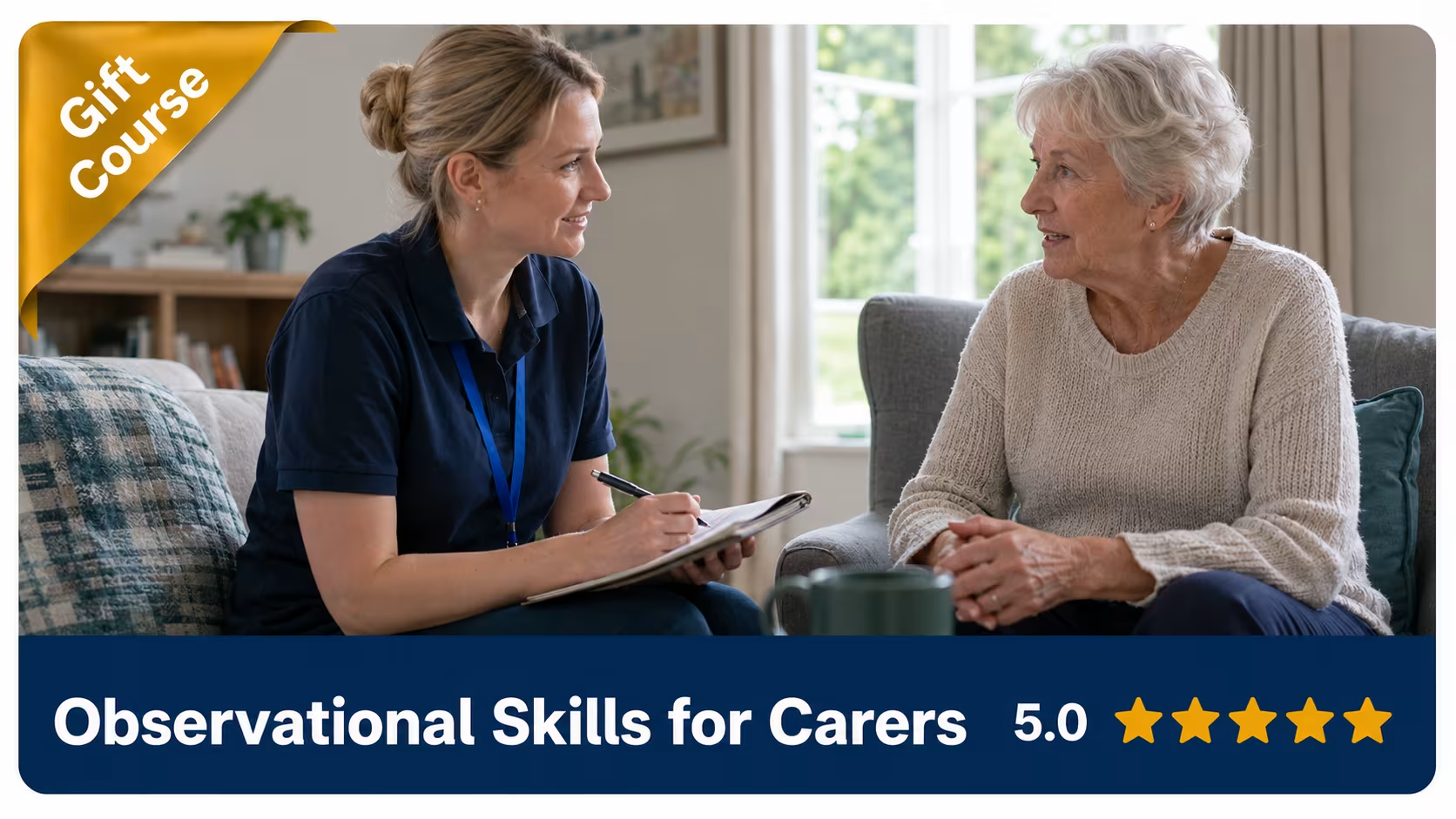
- Course 03: Observational Skills for Carers
Accreditation & Recognition
Your qualification is backed by respected UK industry standards and recognised professional frameworks. The Level 3 Diploma in Health and Social Care is officially CPD-accredited, ensuring it meets the high standards of professional development required by UK employers and care organisations.
- Earn a CPD Accredited certificate to showcase your knowledge and skills
- Delivered 100% online, self-paced, with 12-month full access
- Includes a multiple-choice exam and optional written assignments
- Can order a CPD accredited PDF certificate upon successful course completion
- An Optional hard copy is available for £24.99 only
- Recognised by UK employers and respected globally for professional development
Assessment & Certification
Learners complete a straightforward online multiple-choice exam designed to test knowledge and understanding of key care principles. A 60% pass mark is required, and results are available instantly upon submission. For additional practice, learners can retake the exam at no extra cost, ensuring full confidence before certification.
After passing, you can order a digital CPD-accredited certificate, confirming your professional achievement and competence in health and social care. A printed hard copy can be ordered for £24.99 if preferred.
This qualification comes with no hidden fees, no expiry date, and is recognised by UK employers, giving you a trusted credential that demonstrates your commitment to professional growth and high-quality care.
Who Is This Course For?
This Level 3 Diploma in Health and Social Care is designed for anyone passionate about supporting others and ready to advance their career in the UK care sector. It’s ideal for learners who want flexible, professional, and CPD-recognised training that fits around their lifestyle.
- Aspiring care assistants and support workers starting in healthcare.
- Existing professionals seeking CPD upskilling for career progression.
- Family carers wanting formal training to enhance caregiving.
- Career changers entering a rewarding, people-focused profession.
- Individuals exploring healthcare or community support roles.
- International learners preparing for UK care employment.
- Employers offering CQC-compliant induction and staff development.
Career Opportunities & Progression
Completing your CPD-accredited Level 3 Diploma in Health and Social Care opens doors to a wide range of career roles and professional development opportunities across the UK care sector. You’ll be fully qualified for senior or specialised positions where compassion, leadership, and professional care skills are highly valued.
Career roles include:
- Care Assistant / Support Worker (£18,000–£25,000)
- Healthcare Assistant (NHS / Private) (£20,000–£28,000)
- Residential or Domiciliary Care Worker (£19,000–£26,000)
- Senior Care Assistant or Team Leader (£24,000–£32,000)
- Mental Health Support Worker (£22,000–£30,000)
As your experience grows, you can progress to Level 5 Health and Social Care, Leadership and Management qualifications, or specialist CPD courses in areas like dementia, safeguarding, and medication administration, paving the way for long-term professional growth and leadership opportunities.
Key Skills You’ll Gain
This Level 3 Diploma in Health and Social Care helps you develop the professional, transferable skills needed to succeed in the UK care sector. From communication and safeguarding to person-centred support and risk management, each skill builds your confidence to deliver safe, compassionate, and high-quality care aligned with CQC standards.
- Confident communication and accurate record-keeping skills
- Strong understanding of ethical and legal care practices
- Effective safeguarding and risk management awareness
- Empathetic, person-centred approach to supporting individuals
- Knowledge of infection control and workplace safety procedures
- Ability to promote equality, diversity, and inclusion
- Teamwork and reflective practice for continuous improvement
- Confidence to apply professional standards in real care settings
Why Study with Royal Open College
At Royal Open College, we believe quality education should be accessible, flexible, and trusted. Our courses are created by experienced UK care professionals and designed to meet Skills for Care and CQC standards, helping learners achieve recognised qualifications that employers value.
- CPD-accredited and employer-recognised qualifications trusted across the UK care sector
- 24/7 access to interactive, mobile-friendly learning materials
- Expert tutor support with personalised feedback and guidance
- Self-paced online learning that fits around your lifestyle and commitments
- No hidden fees; transparent pricing and recognised digital certification
- Trusted by thousands of learners worldwide for quality online care training
Enrol today and start your CPD-accredited Health and Social Care training, build your confidence, gain industry recognition, and take the next step toward a fulfilling care career.
Course Curriculum for Health and Social Care Level 3
Module 01: An Introduction to Health and Social Care
Explore the foundations of UK health and social care, including how services are structured and delivered. This module introduces key principles, values, and expectations that underpin safe, compassionate, and person-centred care practice.
Module 02: Role as a Caregiver and Healthcare Professional
Learn about the role and responsibilities of caregivers and healthcare professionals within different care settings. This module focuses on professional behaviour, teamwork, accountability, and maintaining high standards of care delivery.
Module 03: Rights and Responsibilities as a Health and Social Care Worker
Understand the rights of individuals receiving care and the responsibilities placed on care workers. This module explores duty of care, professional boundaries, confidentiality, and maintaining dignity and respect in practice.
Module 04: Communication in Health and Social Care
Develop essential communication skills used in health and social care environments. This module covers verbal, non-verbal, and written communication, active listening, and adapting communication to individual needs.
Module 05: Medical Jargon and Terminology
Gain an understanding of common medical terminology and abbreviations used in care settings. This module supports accurate documentation, clearer communication, and confidence when interacting with healthcare professionals.
Module 06: Person-Centred Care in Health and Social Care
Learn about person-centred care and its importance in health and social care settings. This module focuses on respecting individuals’ preferences, promoting dignity and independence, and involving people in decisions about their own care.
Module 07: Care Planning Policy in the UK
Explore how care planning policies operate within the UK health and social care system. This module explains assessment processes, care plan development, reviews, and compliance with legal and organisational requirements.
Module 08: Concept Care Mapping
Understand care mapping as a method for evaluating and improving care quality. This module explores observation, reflection, and analysis techniques that support person-centred practice and service improvement.
Module 09: Implementing and Evaluating the Care Plan
Learn how care plans are put into practice and reviewed over time. This module focuses on monitoring outcomes, adapting support strategies, and ensuring care continues to meet individual needs.
Module 10: Introduction to End of Life Care
Explore the principles of end-of-life care, focusing on comfort, dignity, and compassion. This module introduces emotional support, communication with families, and meeting holistic needs at the end of life.
Module 11: Working with Adults
Learn how to support adults with a wide range of physical, emotional, and social needs. This module focuses on promoting independence, choice, and wellbeing across adult care settings.
Module 12: Adult Care in Different Life Stages
Understand how care needs change across different stages of adulthood. This module explores physical ageing, emotional development, and social factors that influence adult care requirements.
Module 13: Adult Nursing
Gain an overview of adult nursing and its role within healthcare services. This module introduces basic nursing care activities and how nursing support contributes to recovery and wellbeing.
Module 14: Introduction to Domiciliary Care
Explore domiciliary care services delivered in individuals’ homes. This module focuses on promoting independence, maintaining dignity, and delivering safe, person-centred home-based care.
Module 15: Understanding Diabetes Care
Learn the fundamentals of diabetes and its impact on daily living. This module explores monitoring, lifestyle considerations, and the role of care workers in supporting individuals safely.
Module 16: Medication Management and Administration
Understand safe medication practices within health and social care settings. This module covers storage, administration procedures, documentation, and responsibilities related to medication safety.
Module 17: Oxygenation
Explore the importance of oxygenation and respiratory function in care settings. This module introduces recognising breathing difficulties and understanding basic support measures.
Module 18: Basic Life Support (BLS)
Learn the essential principles of basic life support in emergency situations. This module focuses on recognising cardiac arrest, performing CPR, using an automated external defibrillator (AED), and responding quickly to save lives.
Module 19: Safeguarding Vulnerable Individuals
Develop knowledge of safeguarding principles for vulnerable adults. This module focuses on recognising abuse or neglect, reporting concerns, and creating safe care environments.
Module 20: Safeguarding Children, Young People and Their Families
Learn safeguarding responsibilities for children and young people. This module explores signs of harm, early intervention, and appropriate safeguarding responses.
Module 21: Sharing Information and Responding to a Disclosure
Understand how to share information responsibly within care settings. This module explains how to respond appropriately when a disclosure of abuse or harm is made.
Module 22: Reporting Your Concern
Learn correct procedures for reporting safeguarding concerns. This module covers whistleblowing, accountability, and following organisational safeguarding processes.
Module 23: Health and Safety Responsibilities
Explore health and safety duties within care environments. This module focuses on risk assessment, accident prevention, and maintaining safe working conditions.
Module 24: Understanding Epidemiology
Gain an introduction to epidemiology and population health. This module explores how diseases spread and how data supports prevention and health planning.
Module 25: Understanding Measures of Disease Frequency
Learn about measures such as incidence and prevalence. This module explains how disease frequency data informs public health decision-making.
Module 26: Promoting Equality and Diversity in Health and Social Care
Understand how equality and diversity are promoted in care settings. This module focuses on inclusive practice, cultural awareness, and anti-discriminatory approaches.
Module 27: How Care Environments can Promote and Undermine People’s Dignity and Rights
Explore how care environments influence dignity and rights. This module examines physical spaces, organisational culture, and professional behaviour.
Module 28: The Law and Ethics of Health and Social Care
Learn about legal and ethical frameworks guiding care practice. This module covers consent, accountability, and ethical decision-making.
Module 29: Public Health Care and Ethics
Explore public health principles and ethical challenges. This module focuses on prevention, population health, and responsible healthcare decision-making.
Module 30: Complexities of Consent
Understand consent and capacity in health and social care. This module explores situations where consent is complex and best-interest decisions are required.
Module 31: Personal Hygiene
Learn best practices for supporting personal hygiene. This module focuses on dignity, comfort, and infection prevention.
Module 32: Mobility and Immobility Issues of Patients
Explore mobility challenges faced by patients. This module covers safe movement, handling techniques, and promoting independence.
Module 33: Infection Control
Understand the importance of infection prevention and control in health and social care settings. This module focuses on hygiene practices, use of personal protective equipment (PPE), and reducing the spread of infections.
Module 34: Pain Management
Gain an understanding of pain and its impact on wellbeing. This module introduces pain assessment and comfort-focused support strategies.
Module 35: Engaging and Assessing the Patients
Learn techniques for engaging individuals in care. This module focuses on assessment skills, observation, and understanding patient needs.
Module 36: Interviewing Techniques
Develop effective interviewing skills for care settings. This module explores questioning techniques and respectful information gathering.
Module 37: Adapting Communication to a Patient’s Ability to Understand
Learn how to adapt communication methods for different abilities. This module focuses on supporting individuals with cognitive, sensory, or communication difficulties.
Module 38: Caring for People with Long-term Conditions
Understand how to support individuals living with long-term conditions. This module explores ongoing care needs, self-management support, and quality of life considerations.
Module 39: Learning Difficulties Related to Autism
Learn about autism-related learning difficulties. This module focuses on communication needs, behavioural support, and inclusive care approaches.
Module 40: ADHD in Young and Adults
Explore attention deficit hyperactivity disorder across the lifespan. This module examines characteristics, support strategies, and care considerations.
Module 41: Mood and Anxiety Disorders
Understand mood and anxiety disorders and their impact on well-being. This module explores symptoms, triggers, and supportive care approaches.
Module 42: Risk Management in Health and Social Care
Learn how risks are identified and managed in care settings. This module focuses on prevention, reporting, and promoting safe practice.
Module 43: Aim of First Aid and the First Steps
Explore the aims and principles of first aid. This module introduces initial response actions and maintaining safety during emergencies.
Module 44: Information Technology in Health Care
Learn how information technology supports healthcare delivery. This module explores digital records, communication systems, and data security.
Module 45: Managing Finance in Health and Social Care
Understand basic financial principles within care services. This module focuses on budgeting awareness, resource management, and financial responsibility.
Curriculum
- 8 Sections
- 87 Lessons
- Lifetime Access
- Health and Social Care Level 345
- 1.1Module 01: An Introduction to Health and Social Care7 Minutes
- 1.2Module 02: Role as a Caregiver and Healthcare Professional12 Minutes
- 1.3Module 03: Rights and Responsibilities as a Health and Social Care Worker10 Minutes
- 1.4Module 04: Communication in Health and Social Care7 Minutes
- 1.5Module 05: Medical Jargon and Terminology16 Minutes
- 1.6Module 06: Person-Centred Care in Health and Social Care8 Minutes
- 1.7Module 07: Care Planning Policy in the UK10 Minutes
- 1.8Module 08: Concept Care Mapping11 Minutes
- 1.9Module 09: Implementing and Evaluating the Care Plan14 Minutes
- 1.10Module 10: Introduction to End of Life Care11 Minutes
- 1.11Module 11: Working with Adults9 Minutes
- 1.12Module 12: Adult Care in Different Life Stages11 Minutes
- 1.13Module 13: Adult Nursing10 Minutes
- 1.14Module 14: Introduction to Domiciliary Care12 Minutes
- 1.15Module 15: Understanding Diabetes Care12 Minutes
- 1.16Module 16: Medication Management and Administration15 Minutes
- 1.17Module 17: Oxygenation11 Minutes
- 1.18Module 18: Basic Life Support (BLS)17 Minutes
- 1.19Module 19: Safeguarding Vulnerable Individuals10 Minutes
- 1.20Module 20: Safeguarding Children, Young People and Their Families10 Minutes
- 1.21Module 21: Sharing Information and Responding to a Disclosure12 Minutes
- 1.22Module 22: Reporting Your Concern10 Minutes
- 1.23Module 23: Health and Safety Responsibilities12 Minutes
- 1.24Module 24: Understanding Epidemiology10 Minutes
- 1.25Module 25: Understanding Measures of Disease Frequency10 Minutes
- 1.26Module 26: Promoting Equality and Diversity in Health and Social Care6 Minutes
- 1.27Module 27: How Care Environments can Promote and Undermine People’s Dignity and Rights10 Minutes
- 1.28Module 28: The Law and Ethics of Health and Social Care12 Minutes
- 1.29Module 29: Public Health Care and Ethics10 Minutes
- 1.30Module 30: Complexities of Consent13 Minutes
- 1.31Module 31: Personal Hygiene12 Minutes
- 1.32Module 32: Mobility and Immobility Issues of Patients11 Minutes
- 1.33Module 33: Infection Control16 Minutes
- 1.34Module 34: Pain Management14 Minutes
- 1.35Module 35: Engaging and Assessing the Patients11 Minutes
- 1.36Module 36: Interviewing Techniques11 Minutes
- 1.37Module 37: Adapting Communication to a Patient’s Ability to Understand11 Minutes
- 1.38Module 38: Caring for People with Long-term Conditions11 Minutes
- 1.39Module 39: Learning Difficulties Related to Autism15 Minutes
- 1.40Module 40: ADHD in Young and Adults11 Minutes
- 1.41Module 41: Mood and Anxiety Disorders24 Minutes
- 1.42Module 42: Risk Management in Health and Social Care9 Minutes
- 1.43Module 43: Aim of First Aid and the First Steps12 Minutes
- 1.44Module 44: Information Technology in Health Care11 Minutes
- 1.45Module 45: Managing Finance in Health and Social Care12 Minutes
- Order You Certificate!1
- Leave a Review!1
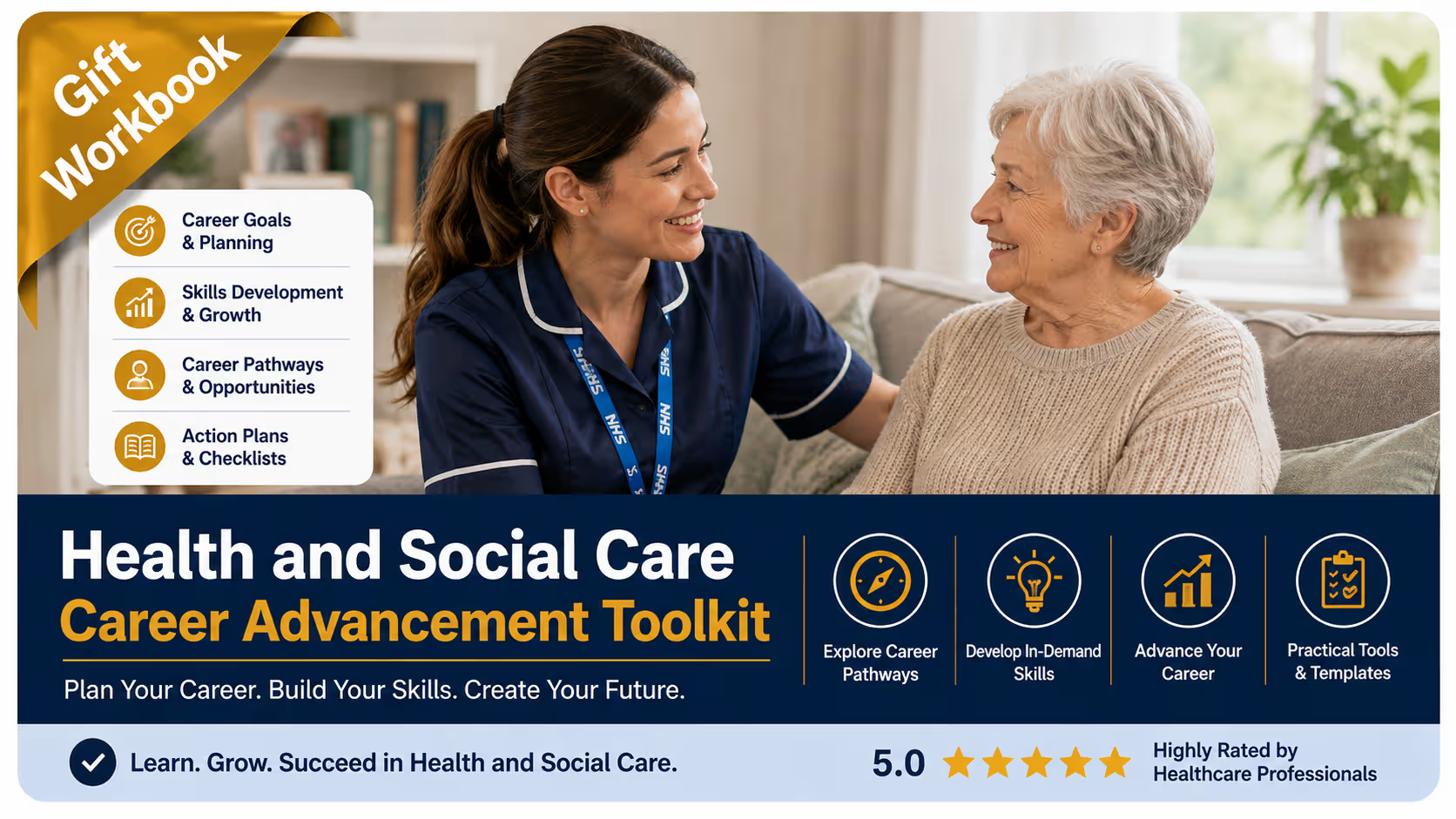
- Workbook 011
- Workbook 021
- Care Certificate Course (Standards 01 to 16)16
- 6.1Module 01: Understand your role9 Minutes
- 6.2Module 02: Your personal development4 Minutes
- 6.3Module 03: Duty of care6 Minutes
- 6.4Module 04: Equality and diversity5 Minutes
- 6.5Module 05: Work in a person-centred way8 Minutes
- 6.6Module 06: Communication8 Minutes
- 6.7Module 07: Privacy and dignity6 Minutes
- 6.8Module 08: Fluids and nutrition8 Minutes
- 6.9Module 09: Awareness of mental health, dementia and learning disabilities11 Minutes
- 6.10Module 10: Safeguarding adults10 Minutes
- 6.11Module 11: Safeguarding children5 Minutes
- 6.12Module 12: Basic life support6 Minutes
- 6.13Module 13: Health and Safety11 Minutes
- 6.14Module 14: Handling information4 Minutes
- 6.15Module 15: Infection prevention and control7 Minutes
- 6.16Module 16: Awareness of Learning Disability and Autism19 Minutes
- Equality, Diversity and Inclusion (EDI) in Care11
- 7.1Module 01: Introduction to Equality, Diversity, & Inclusion (EDI)15 Minutes
- 7.2Module 02: The Legislative Framework for EDI16 Minutes
- 7.3Module 03: Developing Inclusive Workplaces19 Minutes
- 7.4Module 04: Recognising and Addressing Unconscious Bias14 Minutes
- 7.5Module 05: The Importance of Cultural Awareness13 Minutes
- 7.6Module 06: Supporting Mental Health and Wellbeing14 Minutes
- 7.7Module 07: Disability Awareness and Accessibility15 Minutes
- 7.8Module 08: Age Diversity and Inclusivity14 Minutes
- 7.9Module 09: Anti-Racism and Ethnic Diversity14 Minutes
- 7.10Module 10: Religious and Belief Inclusivity14 Minutes
- 7.11Module 11: Implementing and Sustaining EDI Strategies15 Minutes
- Observational Skills for Carers11
- 8.1Module 1: Introduction to Observation in Care14 Minutes
- 8.2Module 2: Developing Observation Skills15 Minutes
- 8.3Module 3: Health and Safety Observations17 Minutes
- 8.4Module 4: Observing Physical Health13 Minutes
- 8.5Module 5: Observing Physical Behaviour and Wellbeing12 Minutes
- 8.6Module 6: Mental Health Observation14 Minutes
- 8.7Module 7: Communication and Social Observation14 Minutes
- 8.8Module 8: Child and Adolescent Observation15 Minutes
- 8.9Module 9: Elderly Care Observation15 Minutes
- 8.10Module 10: Observation in Diverse Settings13 Minutes
- 8.11Module 11: Documentation and Data Collection13 Minutes
FAQs
Requirements
- There are no formal requirements for this course, it is open to anyone who is interested in learning the material.