


A health and social care course builds the knowledge and practical skills needed to support people’s wellbeing. These courses cover topics like safeguarding, person-centred care, and communication in care settings. They suit anyone looking to enter or develop within the UK care sector.
What Does a Health and Social Care Course Cover?
Health and social care courses focus on the core areas you need to understand when working with people who need support. Common topics include:
- Safeguarding adults and children
- Person-centred care and support planning
- Communication in care settings
- Health promotion and wellbeing
- Equality, diversity, and inclusion
- Mental health awareness
- Human development across the lifespan
The exact content depends on the level and type of course. Some courses focus on introductory knowledge. Others go deeper into areas like anatomy, social policy, or care leadership.
Health and Social Care Level 3 Diploma
What Types of Health and Social Care Courses Exist?
There is no single “health and social care course.” The term covers a wide range of learning options in the UK. These include:
- CPD courses – short online courses that support ongoing professional development in specific topics.
- Level 1–3 Diplomas – vocational qualifications often delivered through colleges or training providers.
- T Levels – newer technical qualifications with a large work placement component.
- Access to Higher Education Diplomas – designed for adults who want to progress to university.
- Degrees (BSc or BA) – undergraduate programmes at university level.
Each type serves a different purpose. CPD courses help you build knowledge around specific topics. Regulated qualifications prepare you for defined career roles.
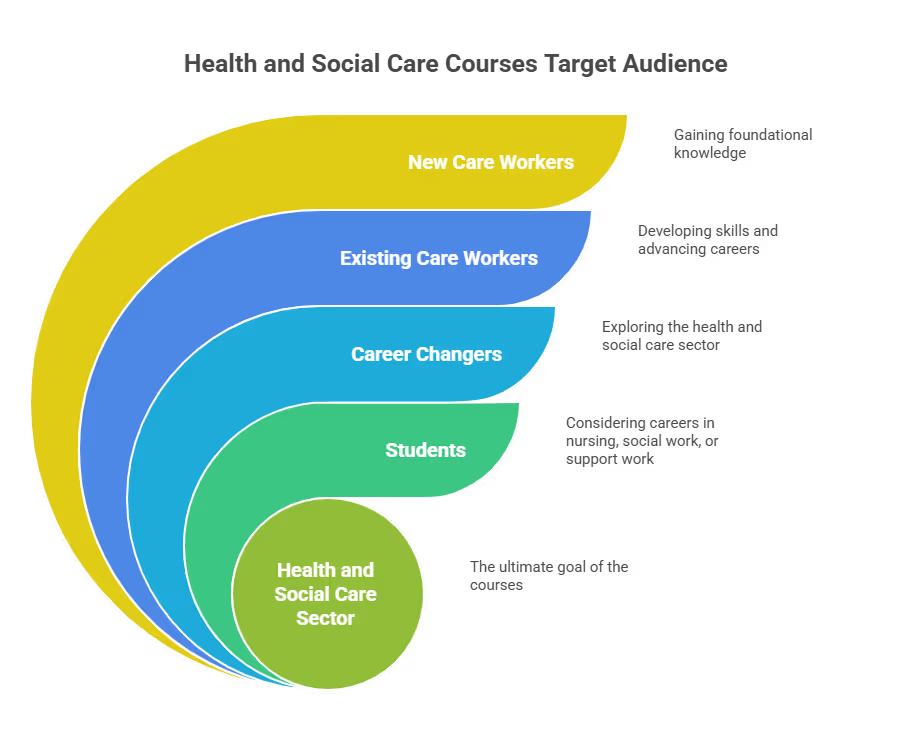
Who Are Health and Social Care Courses For?
These courses suit a broad range of people. You might benefit from one if you are:
There is no single entry requirement that applies to all courses. Requirements depend on the course level and provider.
What Is the Difference Between CPD and a Qualification?
This is a common area of confusion. A CPD course supports your learning and professional development. It helps you build knowledge in a specific area. However, it is not a regulated qualification.
A regulated qualification — such as a Level 2 Diploma in Care — is assessed against national standards. It is recognised by awarding bodies and often required for certain roles.
Both have value. CPD is flexible and accessible. Qualifications meet formal requirements set by employers or regulators. Many care professionals use both throughout their careers.
What Skills Do You Gain?
Health and social care courses develop a mix of practical and interpersonal skills. These include:
- Clear and compassionate communication
- Understanding of how to support people with different needs
- Knowledge of safeguarding responsibilities
- Awareness of equality and rights in care settings
- Ability to follow care plans and work within professional boundaries
These skills apply across many roles in the care sector. They also align with the values and behaviours outlined in frameworks such as the Care Certificate.
What Career Paths Can These Courses Support?
Health and social care learning can support a wide range of roles. These include healthcare assistants, support workers, care coordinators, social workers, and nursing professionals.
Entry-level roles may not always require formal qualifications. However, structured learning strengthens your understanding and helps you progress. Many employers look for evidence of relevant training when recruiting or promoting staff.
Quick Recap
- A health and social care course teaches the core knowledge and skills for supporting people’s wellbeing in the UK care sector.
- Course types range from CPD learning and short courses to regulated qualifications and degrees.
- CPD supports professional development but is not the same as a regulated qualification.
Studying Through Royal Open College (CPD Learning)
Royal Open College offers CPD courses in health and social care. These courses cover key topics relevant to care roles in the UK. They support your learning at your own pace and help you build knowledge that applies to everyday practice. CPD learning is a practical way to develop your understanding — whether you are new to the sector or already working in care.