A teaching assistant notices that a child has arrived upset for the third time in one week. The child seems tired, avoids eye contact, and becomes anxious when home time is mentioned. The teaching assistant does the right thing. She does not question the child in depth or try to solve the issue on her own. She reports the concern to the school’s safeguarding lead straight away.
This is where the DSL role matters. In safeguarding, DSL stands for Designated Safeguarding Lead. The DSL is the senior person who takes lead responsibility for child protection and safeguarding concerns in many schools and childcare settings. They guide staff, review concerns, keep records, and decide whether a referral to children’s social care or another agency is needed.
The role matters because safeguarding needs clear action, not guesswork. When staff know who to report to, concerns move faster, records stay organised, and children get the right help sooner.
TL;DR
- DSL stands for Designated Safeguarding Lead.
- A DSL is the senior person who leads on safeguarding and child protection in many schools, colleges, and childcare settings.
- Staff report safeguarding concerns to the DSL when they worry a child may be at risk.
- The DSL reviews concerns, keeps clear records, and decides whether a referral to children’s social care, police, or other agencies is needed.
- The DSL supports staff with safeguarding advice and helps make sure procedures are followed properly.
- The role is most common in education and early years settings, though similar safeguarding lead roles exist in other organisations.
- A deputy DSL often supports the DSL and covers the role when the main lead is unavailable.
- The role helps make sure safeguarding concerns are handled quickly, consistently, and in line with UK safeguarding guidance.
Level 3 Safeguarding Children and Vulnerable Adults
What Does DSL Stand for in Safeguarding?
DSL stands for Designated Safeguarding Lead. In safeguarding, this is the person who takes lead responsibility for child protection and safeguarding concerns within a setting. In most UK schools, colleges, and early years settings, the DSL is a senior member of staff with enough authority to act, guide others, and make sure safeguarding procedures are followed properly.
The purpose of the DSL role is simple. It gives staff one clear safeguarding lead to report concerns to. This helps concerns move quickly, records stay organised, and children get the right help without delay. The DSL does not replace teachers, nursery staff, or managers in their safeguarding duties. Instead, the DSL leads the safeguarding process when a concern is raised.
What The Role Is Designed To Do
A Designated Safeguarding Lead helps the setting respond to risk in a structured way.
What Does a Designated Safeguarding Lead Do?
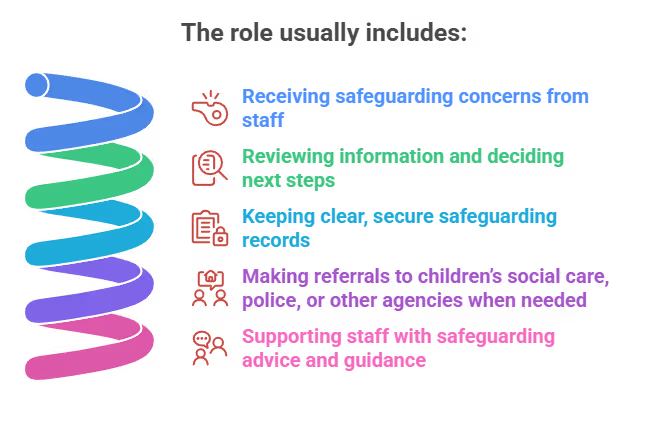
A Designated Safeguarding Lead coordinates the safeguarding response when a concern is raised about a child’s safety or welfare. The DSL leads the process inside the setting, supports staff, decides whether concerns need to be passed to outside agencies, and makes sure records stay accurate and secure. The role is about leadership, oversight, and action. It is not about carrying out a police or social care investigation.
Managing Safeguarding Concerns
When a staff member notices a concern, the DSL becomes the main point of contact. The DSL reviews what has been reported, checks existing records, and decides what should happen next. This helps the setting respond in a calm, consistent way.
Key responsibilities include:
- Receiving concerns from staff, volunteers, or sometimes children and families
- Reviewing the facts and deciding whether the concern needs monitoring, early help, or referral
- Making sure urgent risks are acted on quickly
- Keeping the headteacher, manager, or senior leadership team informed where appropriate
- Helping the setting follow its safeguarding and child protection procedures
Supporting Staff and Training
A DSL also leads safeguarding practice across the setting. Staff need clear guidance, regular updates, and confidence in what to do when something feels wrong. The DSL helps build that confidence.
This part of the role often includes:
- Advising staff on how to respond to signs of abuse, neglect, exploitation, or online harm
- Making sure staff know who to report to and how to record concerns
- Helping new staff understand safeguarding during induction
- Arranging or supporting regular safeguarding training and updates
- Promoting a culture where staff take concerns seriously and act early
Liaising with External Agencies
The DSL is often the link between the setting and safeguarding partners. If a child may be at risk of significant harm, the DSL may refer the concern to children’s social care or the police. The DSL may also work with early help services, health professionals, and local safeguarding partners.
Record Keeping
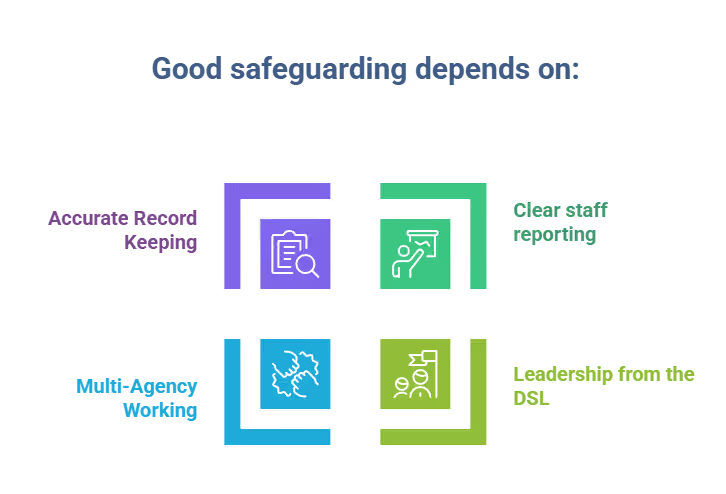
Good safeguarding depends on clear records. The DSL makes sure concerns, decisions, actions, and referrals are recorded properly. These records should be factual, dated, secure, and kept separate from the main pupil file where required.
In practice, this means the DSL should:
- Keep a clear chronology of concerns
- Record actions taken and reasons for decisions
- Store records securely and confidentially
- Transfer safeguarding files safely when a child moves setting
The DSL as a Safeguarding Leader
A strong DSL does more than respond to incidents. They help make safeguarding part of everyday practice. That leadership reduces confusion, improves reporting, and helps children get support faster.
Where Is the DSL Role Used in the UK?
The term DSL, short for Designated Safeguarding Lead, is used most often in education and childcare. In the UK, this role is closely linked to child protection and safeguarding practice in places where children learn, play, and receive support.
The title is strongest in schools, colleges, and early years settings. In other sectors, similar safeguarding lead roles exist, but the exact title may change.
Schools and Colleges
In schools and colleges, the DSL role is well established. The DSL is usually a senior member of staff who leads on safeguarding and child protection. Staff report concerns to this person, and the DSL helps make sure the setting follows safeguarding procedures properly.
In this context, the DSL role usually includes:
- Leading on child protection and safeguarding practice
- Acting as the main contact for staff concerns
- Managing referrals and record keeping
- Helping staff understand safeguarding duties
This is why the term DSL appears so often in school safeguarding guidance, training, and policy documents.
Early Years Settings
The DSL role is also common in early years settings such as nurseries, pre schools, and childcare provision. Young children may not always explain risk clearly, so early reporting and strong safeguarding leadership matter a great deal.
In these settings, the DSL often helps staff:
- Spot signs of abuse or neglect early
- Respond to disclosures or welfare concerns
- Keep safeguarding records up to date
- Work with parents and outside agencies where needed
For childminders, the safeguarding lead responsibility may sit directly with the person running the setting.
Other Organisations Working with Children
Outside education, similar safeguarding lead roles exist in sports clubs, charities, youth groups, faith settings, and community organisations. The title may be different, such as safeguarding officer or child protection lead, but the purpose is similar. These roles help create a clear reporting route and stronger safeguarding practice.
It is best not to assume the DSL title applies in exactly the same way everywhere. The structure depends on the type of organisation, the people it supports, and the safeguarding guidance that applies to that setting.
Is Having a DSL a Legal Requirement?
In UK schools and colleges, having a Designated Safeguarding Lead is expected under statutory safeguarding guidance. The key document, Keeping Children Safe in Education, sets out that schools should appoint a DSL to take lead responsibility for safeguarding and child protection. This guidance carries legal weight because schools must follow it as part of their safeguarding duties.
It is important to understand the difference between law and guidance. The law, such as the Children Act 1989 and Children Act 2004, places a duty on organisations to safeguard and promote the welfare of children. Statutory guidance explains how settings should meet that duty in practice. The DSL role sits within this guidance, not as a standalone law.
Schools and Education Settings
In schools, the expectation is clear. A DSL must be appointed, and a deputy is usually in place to ensure cover. The role must be supported with time, training, and authority so safeguarding decisions can be made properly.
Early Years and Childcare
In early years settings, safeguarding responsibilities still apply. There should be a named person who leads on safeguarding, which often mirrors the DSL role, even if the title varies slightly in some settings.
Other Organisations
Outside education and childcare, there is no single rule that every organisation must have a DSL. Many organisations still appoint a safeguarding lead as good practice. This helps create clear reporting lines and stronger protection for children.
How Does the DSL Handle Safeguarding Concerns in Practice?
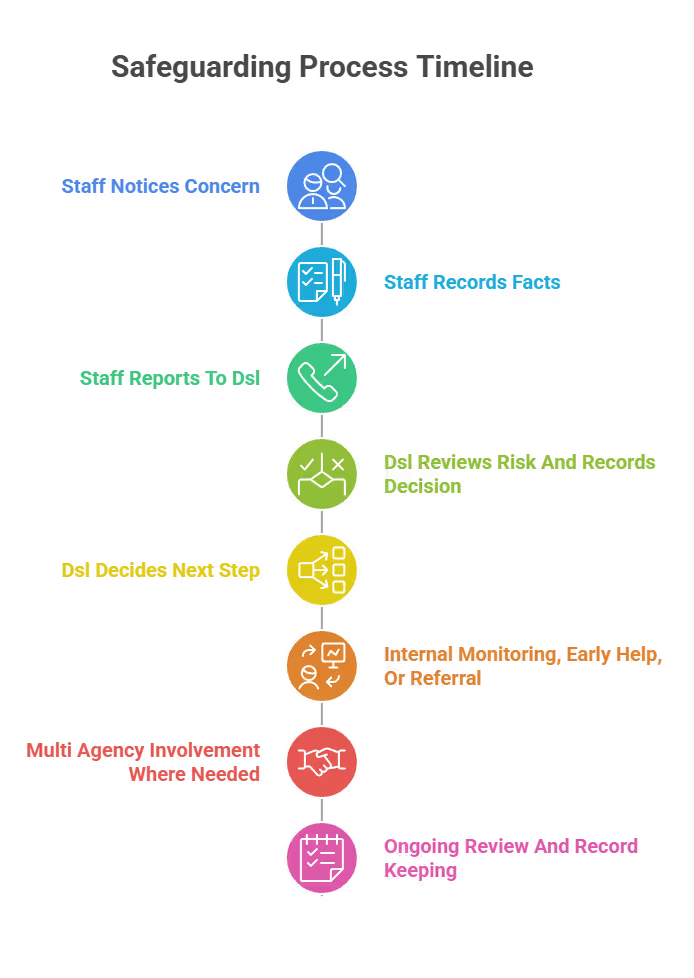
A DSL handles safeguarding concerns through a clear reporting process. The aim is to move from concern to action in a safe, consistent way. Staff do not try to solve the issue alone. They pass the concern to the DSL. The DSL then reviews the information, checks risk, records the concern, and decides the next step.
This may involve early help, internal monitoring, or referral to children’s social care, the police, or another safeguarding partner. Good practice depends on quick reporting, clear notes, and proper information sharing.
Staff Raises Concern
The process usually starts when a staff member notices something worrying. This might be a disclosure from a child, a pattern of injuries, neglect signs, online safety issues, or a sudden change in behaviour.
At this stage, staff should:
- Listen carefully and stay calm
- Avoid leading questions
- Record facts as soon as possible
- Report the concern to the DSL without delay
DSL Assesses Concern
The DSL reviews the information and looks at the wider picture. They may check previous records, speak with the reporting staff member, and consider whether the child faces immediate risk.
The DSL then decides whether the concern points to:
- No further action at this stage, with record kept
- Early help or pastoral action
- Referral to children’s social care
- Urgent contact with police or emergency services
Referral to Safeguarding Agencies
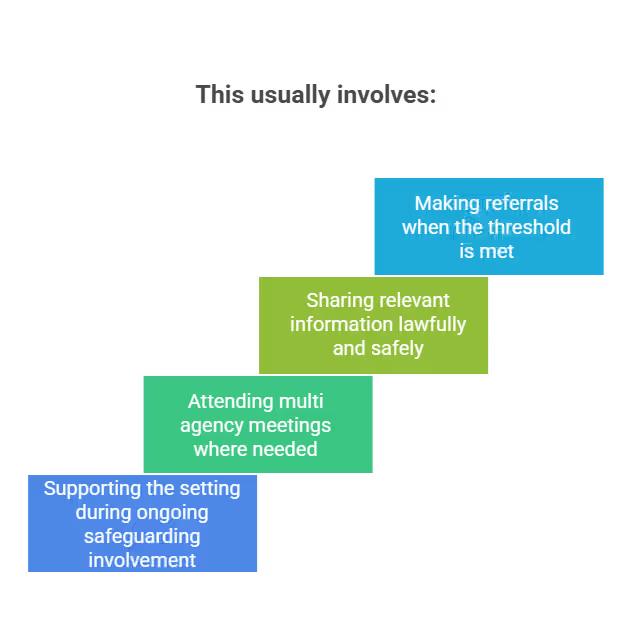
If the threshold is met, the DSL makes a referral to the right agency. This often means children’s social care. In some cases, the police, health services, early help teams, or Prevent contacts may also become involved.
This part of the process often includes:
- Sharing relevant information promptly
- Taking part in multi agency discussions
- Following local safeguarding procedures
- Keeping senior leaders informed where appropriate
Ongoing Support and Monitoring
The DSL role does not end after the referral. The DSL keeps records up to date, tracks actions, and helps make sure the child’s needs stay visible inside the setting.
This ongoing work often includes:
- Updating the safeguarding file
- Recording decisions and reasons clearly
- Monitoring attendance, behaviour, or wellbeing
- Working with staff and outside agencies as the case develops

What Is the Difference Between a DSL and a Deputy DSL?
The difference between a DSL and a Deputy DSL comes down to responsibility and accountability. Both roles support safeguarding, and both receive similar safeguarding training. The key difference is who holds overall responsibility for decisions and oversight.
The DSL is the lead person for safeguarding and child protection in the setting. They hold final responsibility for how concerns are managed, how referrals are made, and how records are kept. The Deputy DSL supports this role and steps in when the DSL is not available.
Role Hierarchy and Responsibility
The structure is designed to keep safeguarding consistent and available at all times.
- The DSL leads safeguarding practice across the setting
- The Deputy DSL supports the DSL and helps manage concerns
- The Deputy DSL acts in place of the DSL when needed
- Final accountability remains with the DSL unless formally delegated
Training and Capability
Both roles need strong safeguarding knowledge to respond properly when concerns arise.
- Deputy DSLs are trained to a similar level as the DSL
- Both understand referral processes and safeguarding thresholds
- Both should be confident in recording and responding to concerns
Why Both Roles Are Needed
Safeguarding concerns can arise at any time. A single lead is not always available. Having a Deputy DSL ensures that:
- Staff always have someone to report concerns to
- Decisions are not delayed
- Safeguarding remains active during absence or busy periods
What Training Does a DSL Need?
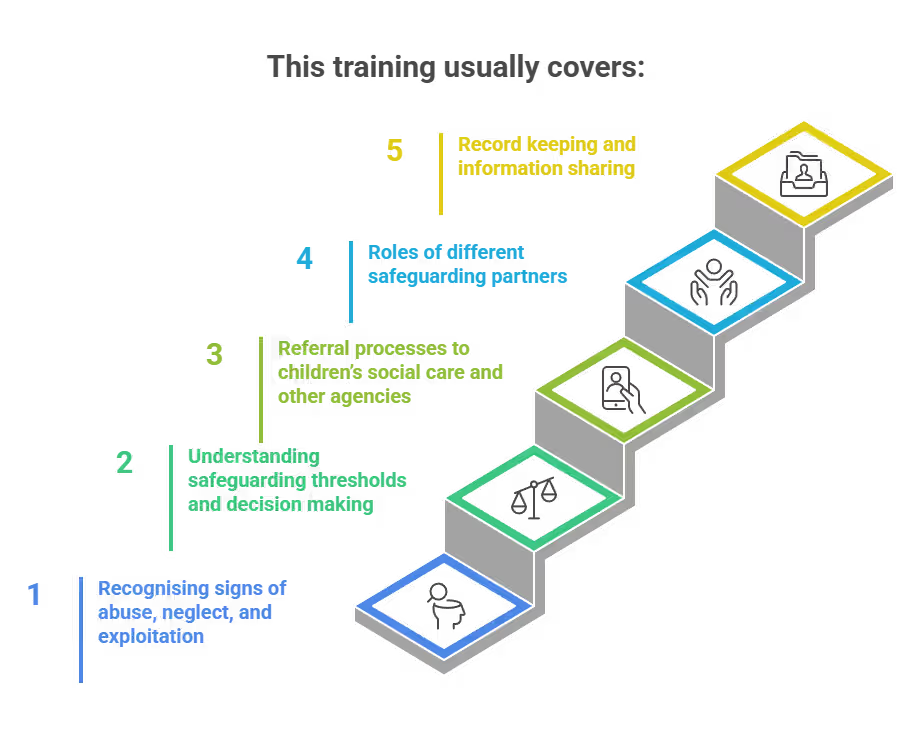
A Designated Safeguarding Lead needs specific safeguarding training to carry out the role safely and effectively. The focus is on knowledge, judgement, and confidence in handling concerns.
There is no single mandatory qualification. The requirement is that the DSL has the right training, skills, and up to date understanding of safeguarding practice.
Core Safeguarding Training
Before taking on the role, a DSL should complete role specific safeguarding training. This training helps the DSL understand how to respond when concerns arise and how to work within safeguarding systems.
Refresher Training and Updates
Safeguarding practice changes over time. Risks, guidance, and procedures continue to develop. For this reason, DSL training must be refreshed regularly.
Good practice includes:
- Updating DSL training at least every two years
- Keeping knowledge current through briefings and updates
- Staying aware of changes in safeguarding guidance
- Learning from case reviews and local safeguarding updates
Ongoing Safeguarding Competence
Training is only one part of the role. A DSL must also build experience and confidence in real situations.
This includes:
- Applying safeguarding procedures in day to day practice
- Supporting staff with advice and decision making
- Working with external agencies when concerns arise
- Maintaining clear and accurate safeguarding records
Common Misconceptions About the DSL Role
People often misunderstand the DSL role because safeguarding work happens behind the scenes. This can lead to confusion about what the DSL does, where the role applies, and how safeguarding decisions are made. Clearing up these myths helps staff report concerns properly and helps learners understand the role more accurately.
Myth 1. The DSL Investigates Abuse
This is one of the most common mistakes. A DSL does not carry out a formal abuse investigation. The DSL reviews the concern, checks what information is available, records the issue, and decides whether a referral is needed. If the threshold is met, outside agencies such as children’s social care or the police take the lead on investigation.
What the DSL Does Instead
- Receives and reviews concerns
- Makes decisions about next steps
- Refers cases to the right agencies
- Keeps safeguarding records up to date
Myth 2. Every Organisation Must Have a DSL
The DSL title is most closely linked to schools, colleges, and early years settings. Other organisations that work with children often appoint a safeguarding lead too, but the title and structure can differ. The safeguarding duty matters across settings. The exact role name does not always stay the same.
Myth 3. The DSL Works Alone
A DSL leads safeguarding inside the setting, but they do not work in isolation. Staff raise concerns. Deputy DSLs may help manage the process. External agencies may also become involved.
Practical Safeguarding Example
How a DSL Protects a Child
A Year 5 teacher notices that one pupil has become quiet, tired, and withdrawn over two weeks. The child has also started arriving late, wearing the same clothes several days in a row, and becoming upset at home time.
One afternoon, the child says, “I do not want to go home today.” The teacher stays calm, listens, makes a factual note, and reports the concern to the DSL straight away.
Step 1. The Concern is Reported
The DSL receives the report and checks whether there have been earlier concerns. The safeguarding file shows two previous notes about poor attendance and low mood. This helps the DSL see a wider pattern, not a single incident.
Step 2. The DSL Assesses Risk
The DSL reviews the information, speaks briefly with the reporting teacher, and considers whether the child may be at risk of neglect or emotional harm. The DSL does not investigate the case alone. The role at this stage is to assess the concern, record the decision, and act on safeguarding procedures.
Step 3. Referral and Multi-agency Action
Because the pattern suggests ongoing risk, the DSL makes a referral to children’s social care. The DSL shares clear factual information, keeps records updated, and informs relevant senior staff on a need to know basis. If required, social care, school staff, health services, and other professionals then work together.
Step 4. Ongoing Support in School
After the referral, the DSL continues to monitor the child’s wellbeing in school. Staff stay alert, attendance is reviewed, and all actions are recorded clearly. This is how the DSL protects a child in practice. They lead the safeguarding response, make sure concerns move forward, and help the child get support quickly.
Summary
- A Designated Safeguarding Lead (DSL) is the central point for safeguarding decisions, ensuring concerns are recognised, recorded, and acted on appropriately.
- The role combines leadership, coordination, and accountability, helping settings maintain safe environments for children.
- DSLs guide staff on when and how to respond to concerns, creating a clear and consistent safeguarding culture.
- The position is embedded within safeguarding systems and guidance, especially in schools and early years settings.
- Effective safeguarding depends on timely communication, accurate record keeping, and correct referral pathways, all overseen by the DSL.
- The DSL works as part of a wider system, reinforcing that safeguarding is a shared responsibility across all staff.
- A strong understanding of the DSL role helps practitioners act confidently, follow procedures, and prioritise child safety in everyday practice.
Level 3 Safeguarding Children and Vulnerable Adults
FAQ
Q: What does DSL stand for in safeguarding?
A: DSL stands for Designated Safeguarding Lead. This is the senior person who leads on safeguarding and child protection in many schools, colleges, and early years settings. They provide a clear reporting route, guide staff, and help ensure concerns are handled safely, promptly, and in line with guidance.
Q: What does a DSL do?
A: A DSL receives safeguarding concerns, reviews the information, decides the next step, keeps records, and makes referrals where needed. They also support staff, help maintain safeguarding procedures, and work with outside agencies. The role focuses on leadership, oversight, and safe action, not formal investigation.
Q: Who can become a DSL?
A: A DSL is usually a senior member of staff with enough authority, time, and safeguarding knowledge to lead the role properly. In schools and nurseries, this is often a manager, headteacher, deputy head, or another experienced leader who has completed suitable safeguarding training and updates.
Q: Is a DSL legally required in schools?
A: Schools and colleges are expected to appoint a DSL under statutory safeguarding guidance, especially Keeping Children Safe in Education. The wider legal duty comes from child safeguarding law. The DSL role is one of the main ways schools meet that duty and organise safeguarding practice clearly.
Q: Can a nursery have a DSL?
A: Yes, nurseries and other early years settings should have a named safeguarding lead, often called the DSL. This person helps staff respond to concerns, keeps safeguarding records, and works with parents and outside agencies where needed. In childminding, the safeguarding lead duty often sits with the childminder.
Q: What training does a DSL need?
A: A DSL needs role specific safeguarding training that covers child protection, referral processes, record keeping, and working with other agencies. Training should be refreshed regularly, often every two years, with updates in between. The aim is strong safeguarding competence, not a single formal qualification badge.
Q: What is the difference between DSL and deputy DSL?
A: The DSL holds overall lead responsibility for safeguarding and child protection in the setting. The deputy DSL supports that work and steps in when the DSL is absent. Both need similar safeguarding training, but overall accountability usually stays with the DSL as the named lead.
Q: Can a teacher be a DSL?
A: Yes, a teacher may be appointed as the DSL if they are a senior member of staff with suitable training, authority, and time for the role. In many schools, the DSL is a teacher in leadership. The setting must ensure the person is properly supported to lead safeguarding.
Q: What happens when a safeguarding concern is reported?
A: When a concern is reported, the DSL reviews the information, checks existing records, considers the level of risk, and decides what should happen next. This might involve monitoring, early help, or referral to children’s social care or police. Each step should be recorded clearly and securely.
Q: What records does a DSL keep?
A: A DSL keeps detailed, factual, and secure safeguarding records. These often include concern forms, dates, actions taken, decisions made, referrals, meeting notes, emails, and a clear chronology. Good records help protect children, support decision making, and ensure information transfers safely when a child moves setting.
Q: Is DSL used in adult safeguarding?
A: The term DSL is used most often in child safeguarding, especially in schools and early years settings. Adult services often use different job titles, such as safeguarding lead or safeguarding officer. The purpose is similar, but adult safeguarding follows a different legal and practice framework.
Q: Who appoints the DSL?
A: The DSL is appointed by the setting’s leadership, governing body, proprietor, or management committee, depending on the type of organisation. The person chosen should be senior enough to influence practice, support staff, and act on concerns. The role should also appear clearly in their job description.
Q: How often should DSL training be updated?
A: DSL training is usually refreshed at least every two years, with regular safeguarding updates in between. This helps the DSL stay current with changes in guidance, local procedures, and emerging risks such as online abuse or exploitation. Strong safeguarding depends on current knowledge and sound judgement.
Q: What agencies do DSLs work with?
A: DSLs often work with children’s social care, police, health professionals, early help teams, and local safeguarding partners. In some cases, they also link with Prevent contacts or the Disclosure and Barring Service. This multi agency working helps ensure concerns are shared properly and children receive coordinated support.
Q: What is safeguarding in schools?
A: Safeguarding in schools means protecting children from abuse, neglect, exploitation, and other harm while also promoting their welfare. This includes safe recruitment, clear reporting systems, staff training, online safety, and early action when concerns arise. Safeguarding is part of daily school life, not a separate task.