Types of Child Abuse in the UK The 4 Main Categories Explained

Types of Child Abuse in the UK: The 4 Main Categories Explained

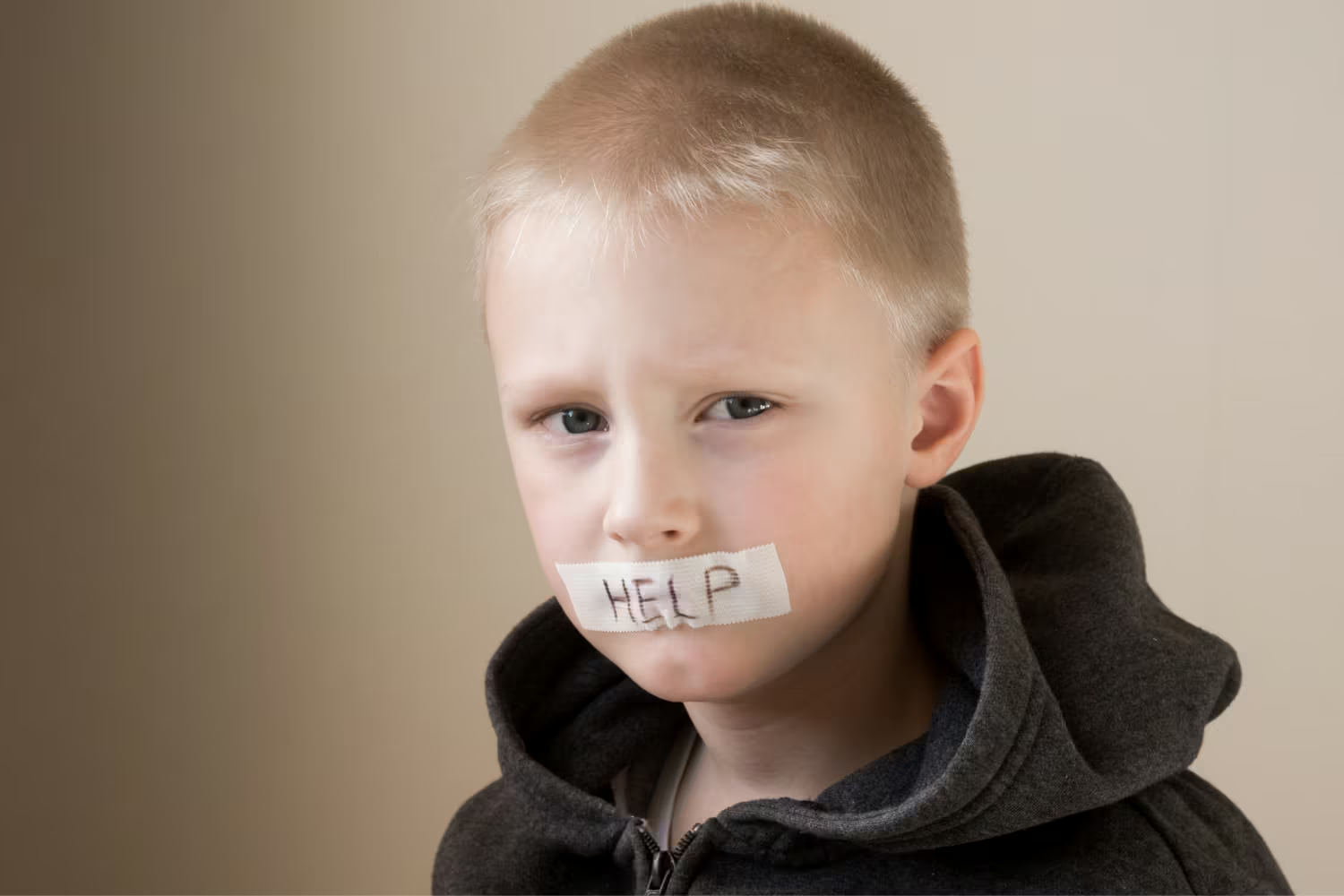
The 4 main types of child abuse in the UK are physical abuse, emotional abuse, sexual abuse, and neglect. This guide explains each category in plain English, shows how they overlap in real life, and clears up confusion around online abuse, exploitation, domestic abuse, and child on child harm within safeguarding.

A child starts missing school more often. Another child arrives hungry and tired most mornings. A young person grows quiet and tense around one adult. A teenager receives gifts and then disappears for hours. None of these signs prove abuse on their own. Each sign still matters.

That is why this topic matters. Child abuse is not always obvious. Some children show injuries. Others show fear, shame, withdrawal, poor hygiene, poor attendance, or a steady pattern of unmet needs.

In UK safeguarding guidance, the four main categories are physical abuse, emotional abuse, sexual abuse, and neglect. These categories help people describe concerns clearly and pass them on through the right route.

This guide is a explainer. It is not legal advice. It gives a clear and responsible overview for general readers, learners, and early career staff. It also clears up one of the biggest confusion points in search results.

The four main child abuse categories are not the same as adult safeguarding abuse lists. It also explains where online abuse, exploitation, domestic abuse, and child on child abuse fit into the wider safeguarding picture. Current school guidance says abuse, neglect, exploitation, and safeguarding issues are rarely standalone and often overlap.

TL;DR: What Are The Main Types Of Child Abuse?

The 4 main types of child abuse used in UK child protection are:

  • Physical abuse:  Deliberate physical harm to a child.
  • Emotional abuse: Persistent treatment that damages a child’s emotional development or sense of worth.
  • Sexual abuse: Forcing or enticing a child into sexual activity, with or without direct contact.
  • Neglect: Persistent failure to meet a child’s basic physical or psychological needs.

These are the main categories most readers mean when they search for types of child abuse in the UK. Related harms such as online abuse, exploitation, domestic abuse, and child on child abuse still matter a great deal, though they usually sit within, across, or alongside the four main categories rather than replacing them.

Safeguarding Level 4

Learn to promote Safeguarding level 4!

What Are The 4 Main Types Of Child Abuse In The Uk?

The 4 main types of child abuse in the UK are physical abuse, emotional abuse, sexual abuse, and neglect. These are the core child protection categories used across current UK safeguarding guidance and practice.

They give professionals, learners, parents, and carers a clear framework for understanding harm to children before looking at wider safeguarding issues such as exploitation or online abuse.

Physical Abuse

Physical abuse means deliberate physical harm to a child. This includes acts such as hitting, shaking, burning, poisoning, or otherwise causing injury. It also includes fabricated or induced illness, where a parent or carer causes or presents illness in a misleading way.

Emotional Abuse

Emotional abuse means persistent treatment that damages a child’s emotional development or sense of worth. It often involves humiliation, intimidation, rejection, silencing, or making a child feel frightened or unloved.

Sexual Abuse

Sexual abuse means forcing or enticing a child into sexual activity. It may involve direct contact or non-contact acts, and it may happen offline, online, or across both. Abuse may be carried out by an adult or by another child.

Neglect

Neglect means persistent failure to meet a child’s basic physical or psychological needs. This may involve poor supervision, unsafe living conditions, missed medical care, poor hygiene, hunger, or lack of emotional response.

These are the four main categories most readers are looking for. Fuller definitions and practical explanations follow below.


Quick Comparison

Type Of Abuse

Meaning

Typical Pattern

Physical Abuse

Deliberate physical harm

Injuries, fear, changing explanations

Emotional Abuse

Persistent emotional harm

Humiliation, intimidation, rejection, silencing

Sexual Abuse

Sexual activity involving a child

Grooming, secrecy, coercion, contact or non-contact harm

Neglect 

Basic needs not met over time

Hunger, poor hygiene, poor supervision, unsafe conditions


These categories help people think clearly. Real life is often messier. One child may face neglect and emotional abuse together. A child facing sexual abuse may also face grooming, online coercion, or exploitation. Fuller explanations sit below.

What Is Physical Abuse?

Physical abuse means deliberately hurting a child. UK safeguarding wording includes hitting, shaking, throwing, poisoning, burning, scalding, drowning, suffocating, or otherwise causing physical harm. Physical abuse also includes fabricated or induced illness, where a parent or carer causes, invents, or exaggerates illness in a child.

Common Examples Of Physical Abuse

Important Clarification For Readers

Not every bruise means abuse. Children get accidental injuries. Better safeguarding practice looks at the full picture. Where is the injury. Does the account fit the child’s age and activity. Is there a pattern over time. Are fear, delay, or inconsistency present.

Good practice guidance also notes that accidental injuries often appear on bony areas such as knees and elbows, while injuries on softer parts of the body raise more concern. One sign alone is not proof. Context and pattern matter.

A short example helps. A seven year old falls in the playground and bruises a knee. That may fit normal play. A child who arrives with repeated bruising on softer areas, gives different explanations each time, and becomes distressed when asked simple questions presents a different picture. The concern sits in the pattern, not only in one mark.

What Is Emotional Abuse?

Emotional abuse is persistent emotional maltreatment that damages a child’s emotional development, self-worth, or sense of safety. This type of abuse is often harder to spot because no obvious injury may appear.

Instead, harm grows through repeated behaviour, repeated messages, and repeated fear. A child may be made to feel worthless, unloved, blamed, humiliated, silenced, or frightened.

Emotional abuse often shows through a pattern. A parent or carer may constantly shame a child, compare a child negatively, reject a child’s views, ignore a child’s needs, or place age-inappropriate expectations on a child. Serious bullying, including cyberbullying, also fits here.

So does exposing a child to the effects of domestic abuse. Current guidance says harm includes the impact of seeing, hearing, or experiencing abuse in the home.

Why Emotional Abuse Is Often Misunderstood

Many people still think emotional abuse is less serious because no broken bone appears. That idea is wrong. Emotional abuse may damage confidence, relationships, learning, behaviour, and mental health over time.

ONS data for England and Wales found emotional abuse was the most commonly reported childhood abuse type in its adult retrospective survey. That gives this category real weight. Emotional abuse may happen on its own, though some emotional harm is also present in many other abuse patterns.

A simple example makes this clearer. A child who hears “you are useless” every day, gets blamed for adult problems, and feels frightened to speak is living with emotional abuse even if no visible injury exists.

What Is Sexual Abuse?

What Is Sexual Abuse

Sexual abuse means forcing or enticing a child or young person to take part in sexual activity. Direct contact is not required. A child may not fully understand what is happening. A child may not realise harm is taking place.

A child may feel trapped by secrecy, fear, pressure, gifts, threats, affection, or manipulation. Sexual abuse is not limited to abuse by adult men. Women and other children may also cause sexual harm.

Contact And Non Contact Sexual Abuse

Contact sexual abuse includes direct sexual touching or penetration. Non contact sexual abuse includes forcing a child to watch sexual activity, involving a child in sexual images, encouraging sexually inappropriate behaviour, or preparing a child for abuse through grooming. Current school guidance and other safeguarding sources stress that sexual abuse is broader than direct contact alone.

Online Sexual Abuse And Grooming

Sexual abuse may happen offline, online, or across both. Technology is often part of the pattern. Grooming may happen through social media, games, messaging, or image sharing. A child may receive gifts, attention, praise, or pressure before abuse becomes obvious.

Guidance also notes that many children and young people who face sexual abuse do not recognise themselves as victims at first. That is one reason direct disclosure does not always happen early. ONS data also found many people who reported childhood sexual abuse knew the perpetrator, while non-contact abuse more often involved strangers.

A practical example helps here. A teenager starts talking to an older person online. The messages seem kind at first. Praise turns into pressure. Pressure turns into secrecy. This is why online grooming belongs inside a serious safeguarding conversation, not at the edges of it.

What Is Neglect?

Neglect is the persistent failure to meet a child’s basic physical or psychological needs. This category covers much more than food alone. Neglect may involve poor supervision, unsafe living conditions, missed medical or dental care, lack of clean clothing, hunger, poor hygiene, emotional unresponsiveness, or failure to protect a child from danger. Neglect may also begin before birth, for example through substance misuse during pregnancy.

Neglect often develops as a pattern over time. A child may seem tired every day, arrive hungry, wear clothes that do not fit the weather, miss appointments, or live in unsafe conditions around violence, alcohol, or drugs. Emotional neglect also matters. A child may receive little warmth, little comfort, and little response to distress. That damage is real, even where no single dramatic incident stands out.

Why Neglect Is Often Overlooked

Neglect is often missed because people get used to low-level concern. One late pickup feels small. One missed appointment feels small. One hungry morning feels small. Put together, those signs may show serious unmet need. NSPCC says neglect is the most common form of abuse in the UK and concerns around neglect are identified for around half of children on a child protection plan or register.

DfE data also shows abuse or neglect remained the primary need at assessment for 58 percent of children in need in England in 2025. Neglect is not a lesser issue. A child left alone too young, living in a dirty unsafe home, and missing needed healthcare is not facing “poor parenting” in a mild sense. That pattern may amount to neglect.

Are There Only 4 Types Of Child Abuse?

Related Harms People Often Confuse With The 4 Types

Child sexual exploitation is a form of sexual abuse. Child criminal exploitation may involve emotional abuse, physical abuse, neglect, and coercion. Online abuse is not a fifth main category on its own. Online spaces often facilitate sexual abuse, emotional abuse, bullying, exploitation, or grooming.

Domestic abuse also matters here. A child may be harmed by seeing, hearing, or living with its effects. Child on child abuse matters too, especially in schools and youth settings. Current school guidance states that abuse, neglect, exploitation, and safeguarding issues are rarely standalone events.

RCGP safeguarding material lists a range of linked harms under the wider safeguarding umbrella, including sexual exploitation, harmful sexual behaviour, domestic abuse, bullying, online abuse, trafficking, FGM, criminal exploitation, grooming, fabricated or induced illness, radicalisation, and abuse linked to faith or belief. Those examples enrich safeguarding understanding, though readers should still keep the four main abuse categories clear in mind.

A simple rule helps. If you are explaining the core categories, stick to the four. If you are explaining real safeguarding practice, widen the picture and show how those related harms connect.

Which UK Definitions Should Readers Trust?

Readers should trust the source layer used across safeguarding practice, legislation, statutory guidance, and recognised practice guidance. In England, the strongest starting points are the Children Act 1989, Working Together to Safeguard Children 2026, and Keeping Children Safe in Education 2025. NSPCC Learning and similar practice sources help explain signs, indicators, and response more clearly for everyday readers and staff.

Law Vs Statutory Guidance

Law creates duties and powers. For example, the Children Act 1989 sets out core child welfare duties. Statutory guidance explains how agencies should work with those duties in practice. Working Together sets the multi agency safeguarding framework. Keeping Children Safe in Education sets school and college safeguarding expectations. Practice guidance then helps readers recognise signs and respond well.

Why Wording Can Vary Slightly Across Sources

Wording varies slightly because sources serve different audiences. A law text, a school guidance document, and a practitioner briefing do different jobs. The core meaning still stays consistent. Four main abuse categories remain central.

Abuse may happen in many settings. Abuse may involve adults or other children. Abuse may happen online or in person. Small wording differences do not change those main points.

How Do These Types Of Abuse Overlap In Real Life?

  • A child arrives at school hungry, tired, and dirty most days. Staff also notice the child is fearful, withdrawn, and desperate to please adults. That pattern points toward neglect and emotional abuse together.
  • A teenager receives gifts from an older person, then becomes secretive, anxious, and absent from school. That pattern may involve sexual abuse, grooming, emotional abuse, and exploitation.
  • A young person witnesses repeated domestic abuse at home, then shows sleep problems, aggression, poor concentration, and fear of going home. Harm here may involve emotional abuse, trauma, and wider safeguarding concern. 

Categories help people think clearly. Categories do not mean harm arrives in tidy boxes.

Why This Topic Matters In Education, Health, Social Care, And Everyday Safeguarding

This topic matters across many roles, not only social work. Teachers, nursery staff, youth workers, GPs, nurses, health visitors, community staff, police staff, sports staff, volunteers, and support workers all see children in different settings.

One person may notice hunger. Another may notice withdrawal. Another may notice missed appointments, fear, poor attendance, or a worrying disclosure. Good safeguarding relies on people noticing, recording, sharing, and escalating concerns through the right route.

This topic also matters for general readers. Parents, carers, relatives, neighbours, and community members often search this subject because something feels wrong but they lack the right words. Clear understanding reduces confusion.

Clear understanding also helps people avoid two common mistakes, dismissing concern too early or trying to investigate alone. Early recognition and coordinated response sit at the centre of safer outcomes for children.

Simple Flow Of Action

Notice a concern

Down arrow

Record facts clearly

Down arrow

Share concerns through the right safeguarding route

Down arrow

Seek urgent help fast if immediate danger exists

What Should Someone Do If They Are Worried About A Child?

Take the concern seriously. Do not try to prove abuse yourself. Do not start a private investigation. Do not ask a long list of probing questions. The right first step is usually to notice, record, share, and escalate through the correct safeguarding route.

The DfE practitioner advice says people should be alert to signs, question worrying behaviour, ask for help, and refer when needed. Concerns should be recorded in writing.

Immediate Danger Vs Non-Immediate Concern

Immediate Danger Vs Non-Immediate Concern

Summary: The Key Points To Remember

The 4 main types of child abuse in the UK are physical abuse, emotional abuse, sexual abuse, and neglect. Those four categories remain the clearest starting point for child protection understanding. At the same time, real safeguarding work is broader than a short list. Abuse often overlaps. Harm may happen at home, in school, in care, in the community, or online.

The safest takeaway is simple. Learn the four categories well. Do not assume one sign proves abuse. Do not blur child abuse categories with adult safeguarding lists. If concern arises, record facts, follow the right safeguarding route, and seek urgent help fast where danger is immediate. That is the clearest and safest way to respond.

Safeguarding Level 4

Learn to promote Safeguarding level 4!

FAQ

Q: What are the 4 main types of child abuse?

A: The 4 main types of child abuse are physical abuse, emotional abuse, sexual abuse, and neglect. These are the core categories used across UK child protection guidance and practice. 

A: Yes. Neglect is one of the four main categories of child abuse in the UK. It means persistent failure to meet a child’s basic physical or psychological needs, such as food, warmth, supervision, medical care, or emotional response.

A: Often, yes. Emotional abuse often grows through repeated patterns such as humiliation, blame, intimidation, rejection, or silencing rather than visible injury. This is one reason many people miss emotional abuse early.

A: Yes. Abuse may take place wholly online, or technology may facilitate offline abuse. Online spaces often feature in grooming, sexual abuse, bullying, coercion, exploitation, and emotional harm.

A: Yes. Child sexual exploitation is a form of sexual abuse. A child may appear to cooperate, though real consent is absent because manipulation, pressure, exchange, or power imbalance sits behind the pattern.

A: Yes. A child may be harmed by seeing, hearing, or experiencing the effects of domestic abuse. Current guidance treats this impact as a serious safeguarding issue, not a minor background detail.

A: Yes. UK guidance is clear that abuse may be caused by another child as well as an adult. This point matters in schools, colleges, youth settings, peer groups, and online spaces.

A: The four main categories remain physical abuse, emotional abuse, sexual abuse, and neglect. Wider safeguarding harms, such as exploitation, online abuse, bullying, trafficking, FGM, and radicalisation, still matter greatly, though those harms usually sit within, across, or alongside the four categories.

A: Abuse refers to harm or maltreatment. Safeguarding is the wider work around prevention, protection, early help, safe systems, information sharing, and response when concern arises. Safeguarding is broader than abuse alone.

A: Child abuse guidance in the UK usually centres on four main categories. Adult safeguarding uses a different framework with a wider list, such as financial abuse, discriminatory abuse, self neglect, organisational abuse, and more. Mixing those two lists creates confusion.

A: Both matter, though they do different jobs. Law sets duties and powers, while statutory guidance explains how agencies should work in practice. Practice guidance then helps readers recognise signs and respond well.

A: No. One sign alone does not prove abuse. Better safeguarding practice looks at context, pattern, explanation, development stage, and any wider concerns before next steps are taken.

A: Neglect is often overlooked because concern builds slowly. People may normalise poor hygiene, hunger, unsafe conditions, lateness, or missed care until a serious pattern has formed. NSPCC and DfE material both show neglect deserves far more attention than many brief pages give.

A: Anyone worried about a child should act through the right safeguarding route. In a workplace, that often means a safeguarding lead or manager. Where immediate danger exists, police or emergency routes are the right next step.

A: Yes. Abuse may happen in families, institutions, education, peer groups, community settings, care settings, and online spaces. Current guidance is clear that children may face harm inside and outside the home.

Recent Blogs

5 Skills Every UK Care Employer Wants (and How to Prove You Have Them)

5 Skills Every UK Care Employer Wants (and How to Prove You Have Them)

UK care employers do not hire based on good intentions. Under CQC Regulation 18, they must evidence staff competence at every inspection. This guide covers the 5 skills every UK adult social care employer screens for, why each one has a regulatory basis, and how to prove yours through your CV, interview, the Care Certificate, and workplace evidence.

CQC Standards and Training What Care Staff Need to Know in 2026

CQC Standards and Training: What Care Staff Need to Know in 2026

CQC does not publish a mandatory training list. Under Regulation 18, every registered provider must ensure staff are demonstrably competent, properly inducted, and continuously supported. This guide explains the legal basis for training in 2026, the 16 Care Certificate standards, Oliver McGowan Mandatory Training, training matrices, and the competence evidence CQC inspectors look for.