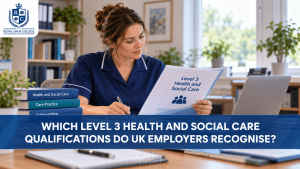
A resident in a care home, Sarah, slips in the dining room. Staff quickly react, but no risk assessment has been conducted for this high-risk area. The incident is minor, but it could have been much worse.
Later, an inspector arrives to assess the care home’s compliance with CQC standards. When asked for risk assessment records, staff scramble to gather missing documentation.
This situation shows how health and safety regulations are not just a matter of compliance but a safeguard for residents’ well-being. Whether it’s a medication error, a slip-and-fall incident, or an infection outbreak, ensuring safe care is paramount.
Health and safety in care settings is governed by various legislative frameworks. These include workplace safety laws, CQC regulatory standards, and specific safeguarding and infection control codes. Care providers must manage all these areas to ensure a safe environment for staff, residents, and visitors.
In this guide, we will dive deep into the intricacies of Regulation 12, HSE regulations, CQC inspections, and practical compliance methods to meet health and safety standards in care settings. Whether you’re a care manager, worker, or learner, this guide will help you understand what needs to be done to stay compliant.
TL;DR
- Regulation 12 mandates that care and treatment must be delivered safely, preventing avoidable harm.
- HSWA 1974 outlines employers’ safety duties, ensuring a safe environment for both staff and residents.
- Risk assessments must be comprehensive, suitable, and sufficient, addressing all potential risks to health and safety.
- Medicines, equipment, and infection control protocols must be properly managed to mitigate risks.
- CQC oversees care quality, while HSE enforces workplace safety regulations across care settings.
- Recent updates include the IPC Code refresh (2022) and fire safety regulations changes (2022) for more robust safety management.
Health and Social Care Level 3 Diploma
AUTHORITY CLARIFICATION SECTION
Which UK Authorities Regulate Health and Safety in Care Settings?
Health and safety in care settings is regulated by both the Care Quality Commission (CQC) and the Health and Safety Executive (HSE). The CQC oversees care quality in England, while the HSE enforces workplace safety laws across sectors.
In the UK, health and safety regulations within care settings are shared between two primary bodies: the CQC and the HSE.
CQC (Care Quality Commission):
HSE (Health and Safety Executive):
- Enforces the Health and Safety at Work etc. Act 1974 (HSWA 1974) and other workplace safety laws.
- Covers occupational health risks such as manual handling, equipment safety, hazardous substances (COSHH), and fire safety.
- Primary role: Ensures a safe working environment for both staff and residents by regulating operational safety across care settings.
Local Authorities:
- Lead safeguarding duties under the Care Act 2014, ensuring adults are protected from abuse and neglect.
- Collaborate with care providers to assess and manage risks within care settings.
Police:
- In serious safeguarding cases, the police may become involved, especially when abuse or criminal activities are suspected.
Key Clarification:
- CQC ≠ HSE: The CQC focuses on care quality, while HSE enforces general workplace safety regulations.
- Training ≠ Compliance: While training is necessary, it does not replace the need for full legal compliance, including proper risk management and operational safety practices.
CORE REGULATORY EXPLANATION
What is Regulation 12: Safe Care and Treatment?
Regulation 12 of the Health and Social Care Act 2008 (Regulated Activities) Regulations 2014 requires care providers to ensure safe care delivery, conduct risk assessments, manage medicines properly, maintain safe premises and equipment, and prevent avoidable harm.
Regulation 12 plays a crucial role in ensuring care is provided safely and effectively. This regulation includes a range of key duties that all care providers must adhere to, ensuring the safety and well-being of residents. Let’s break it down:
12(1) Safe Care:
The regulation mandates that care and treatment must be provided in a way that ensures no avoidable harm occurs. It ensures safe practices and requires providers to identify, manage, and reduce risks associated with care provision.
12(2)(a–i) Key Duties:
Under Regulation 12(2), providers must adhere to several key duties, which are designed to minimise risks and ensure safety:
“Reasonably Practicable” Explanation:
This term means that providers must take all reasonable steps to mitigate risks, but are not expected to eliminate every possible risk. Reasonable steps depend on the resources, situation, and circumstances. However, if risks are not mitigated in a reasonable manner, this could be grounds for regulatory action.
Enforcement Powers:
If care providers fail to meet the standards set by Regulation 12, the CQC can prosecute them without issuing a Warning Notice first. The CQC’s powers include enforcement for breaches that cause harm or expose individuals to significant risk. Prosecution can occur if unsafe care results in avoidable harm.
Inspection Evidence:
During inspections, the CQC will look at a range of evidence to ensure compliance with Regulation 12:
- Risk assessments and management procedures
- Staff training records and evidence of competence
- Maintenance records for premises and equipment
- Medication administration records
- Infection control logs
- Incident reports and any actions taken after incidents
Clarifying Regulation vs Guidance:
While Regulation 12 sets the legal requirements for safe care and treatment, there is guidance that supports the implementation of these regulations. The guidance provides recommended best practices, but failure to follow the regulation can result in legal consequences, whereas the guidance is more flexible and offers advice on how to meet the regulation’s requirements.
This clarification is important as some care providers may mistakenly assume that following guidance is sufficient for compliance. However, regulations are enforceable by law, while guidelines serve as recommendations for achieving regulatory compliance.
What Workplace Health and Safety Laws Apply in Care Settings?
Care providers must comply with workplace health and safety legislation, including the Health and Safety at Work etc. Act 1974 (HSWA), Management Regulations 1999, RIDDOR 2013, COSHH 2002, PUWER 1998, and Fire Safety Law.
Several key workplace health and safety laws apply to care settings to ensure that both staff and service users are protected. Below is a brief overview of each of these important regulations:
HSWA 1974 (Health and Safety at Work etc. Act 1974):
This law is the foundation of health and safety in the UK. It places general duties on employers to ensure the health, safety, and welfare of all employees and anyone who may be affected by their work activities, including service users. Employers must ensure a safe working environment, provide adequate training, and protect individuals from risks associated with their duties.
Management of Health and Safety at Work Regulations 1999:
These regulations require employers to carry out risk assessments to identify potential hazards in the workplace. Employers must make arrangements to implement health and safety measures, ensure staff are trained in handling risks, and provide information on safety procedures.
RIDDOR 2013 (Reporting of Injuries, Diseases and Dangerous Occurrences Regulations):
RIDDOR sets out the reporting thresholds for workplace accidents, injuries, diseases, and dangerous occurrences. Incidents such as workplace accidents leading to staff being absent for more than seven consecutive days or dangerous occurrences must be reported to the HSE or relevant authority.
COSHH 2002 (Control of Substances Hazardous to Health Regulations):
COSHH applies to hazardous substances used or present in the workplace, such as cleaning chemicals, disinfectants, and medication. Employers must carry out risk assessments to protect staff and service users from the dangers of exposure to hazardous substances. These include proper storage, handling, and disposal.
PUWER 1998 (Provision and Use of Work Equipment Regulations):
PUWER regulates the safety of equipment used at work. This ensures equipment is suitable, well-maintained, and used correctly. Care homes must ensure that all equipment, such as lifts, hoists, and wheelchairs, is safe to use and regularly inspected.
Fire Safety Order 2005:
The Fire Safety Order 2005 requires employers to implement fire safety measures, including regular fire risk assessments, emergency evacuation plans, and maintaining fire-fighting equipment. Providers must ensure that staff are trained in fire safety procedures and that fire alarms and other safety equipment are in good working condition.
Clarification: Risk Assessments:
It’s essential to note that risk assessments must be reviewed when necessary, not automatically every year. For instance, if there are changes in staff, equipment, or premises, risk assessments should be updated. Risk assessments must be dynamic and reflect any changes in the care environment.
PRACTICAL APPLICATION SECTION
How Do Care Providers Carry Out Legally Compliant Risk Assessments?
Risk assessments in care settings must identify hazards, evaluate who may be harmed, implement control measures, record findings where required, and review assessments when circumstances change or risks increase.
Conducting legally compliant risk assessments is a fundamental aspect of ensuring safety and compliance in care settings. Providers must follow a structured approach to identify and mitigate risks effectively. Below is a detailed explanation of how to carry out these risk assessments.
Five-Step HSE Model:
Care-Specific Examples:
- Falls: A risk assessment for a resident at risk of falling may include checking the environment for trip hazards, ensuring they have mobility aids, and reviewing their care plan for any necessary adjustments.
- Hot Water: To prevent scalding, care providers may assess water temperatures and install thermostatic mixing valves to control temperature.
- Bed Rails: A risk assessment should include checking that bed rails are securely fitted and assessing whether they pose a risk of entrapment.
Individual vs Environmental Risk:
Risk assessments should distinguish between individual risks (e.g., a resident’s medical condition) and environmental risks (e.g., wet floors or faulty lighting).
Dynamic Risk Assessment:
Care providers should adopt a dynamic risk assessment approach, meaning they must continuously assess and adapt their care plans in response to changing conditions or new risks.
Documentation Expectations:
It’s important to keep clear records of all risk assessments, including any findings, actions taken, and reviews. These documents provide critical evidence during CQC inspections.
Inspection Evidence Examples:
- Risk assessment records
- Incident reports
- Staff training logs
- Maintenance schedules for equipment
Clarification:
There is no legal requirement for fixed annual reviews of risk assessments. Instead, they must be reviewed whenever there are changes in the environment, staffing, or other relevant factors that could affect safety.
How is Medicines Safety Regulated in Care Settings?
Medicines in care settings must be safely supplied, stored, administered, and recorded in accordance with Regulation 12 and professional guidance, with trained and competent staff managing risks and documentation.
Medicine safety is a critical aspect of Regulation 12: Safe Care and Treatment. Proper management of medicines ensures both the well-being of service users and the compliance of care providers with regulations.
Key Aspects of Medicines Safety:
MAR Charts (Medication Administration Records):
MAR charts are used to record the administration of medicines, ensuring that the right medication is given to the right person at the right time. These charts should be accurate, regularly updated, and kept easily accessible for care staff.
Medication Reviews:
Regular medication reviews are essential to ensure that prescribed medications are still appropriate, effective, and safe for the service user. Reviews should involve the service user, their family, and healthcare professionals to discuss any changes or concerns.
Covert Administration and the Mental Capacity Act:
When a service user lacks mental capacity to consent to medication, care providers must follow the Mental Capacity Act 2005 (MCA). In some cases, medicines may be administered covertly, but this must always be in the person’s best interests, with appropriate legal safeguards in place.
MHRA Alerts (Medicines and Healthcare Products Regulatory Agency):
The MHRA issues alerts for medicines, informing care providers about new safety information, product recalls, or potential risks. Care settings must comply with these alerts, ensuring safe use of medicines and preventing harm.
Incident Reporting:
Any medication-related incidents, including errors or adverse reactions, must be reported and documented. This helps care providers identify systemic issues, mitigate risks, and learn from past mistakes.
Common Inspection Failures:
What Does Infection Prevention and Control Require?
Care providers must prevent, detect, and control infections in line with Regulation 12 and the Health and Social Care Act 2008 Code of Practice on infection prevention and control.
Infection prevention and control (IPC) are critical to maintaining a safe environment for both staff and residents in care settings. Adhering to the Hygiene Code and IPC standards ensures that care providers can minimise the risk of infections, particularly in vulnerable populations.
Key IPC Requirements:
IPC Code (2022 Refresh):
The IPC Code provides a set of guidelines for infection prevention and control in health and social care settings. The 2022 update includes the latest practices for managing infection risks, including those related to COVID-19 and other emerging pathogens.
PPE Responsibilities:
Personal Protective Equipment (PPE) is essential in preventing the spread of infections. Care providers must ensure staff are properly trained in the use of PPE, such as gloves, masks, gowns, and eye protection. PPE must be used correctly, changed frequently, and disposed of safely.
Cleaning Protocols:
Rigorous cleaning protocols are necessary to maintain a hygienic environment. Regular cleaning of surfaces, medical equipment, and high-touch areas must be conducted, with particular attention to infection hotspots. Deep cleaning should be carried out regularly and after any incidents of infection.
Antimicrobial Stewardship:
Antimicrobial stewardship ensures that antibiotics and other medications are used correctly and only when necessary. Overuse and misuse of antibiotics can lead to resistance, making infections harder to treat. Care providers must have systems in place to monitor and control the use of antimicrobials.
Outbreak Management:
Care providers should have clear outbreak management protocols in place to respond to any infectious disease outbreaks quickly. This includes isolating affected individuals, testing and screening, and notifying relevant health authorities.
Documentation Evidence:
Care providers must maintain records that demonstrate adherence to IPC guidelines. These may include:
By adhering to these practices, care providers can ensure that they meet the required standards for infection prevention and control, safeguarding both staff and service users.
SAFEGUARDING CROSSOVER
How Does Safeguarding Law Interact with Health and Safety?
Safeguarding duties under the Care Act 2014 require providers to protect adults from abuse and neglect, while Regulation 12 and Regulation 13 ensure care is delivered safely and without avoidable harm.
Safeguarding law plays a crucial role in health and safety within care settings. The Care Act 2014 and Regulations 12 and 13 intersect to ensure that care providers meet their legal obligations to prevent harm, abuse, and neglect while maintaining a safe environment.
Key Interactions Between Safeguarding and Health & Safety:
Section 42 Enquiries (Care Act 2014):
Under the Care Act 2014, if there are concerns about abuse or neglect, local authorities are required to conduct Section 42 enquiries. These investigations help determine whether any action needs to be taken to safeguard the individual and prevent further harm. The results of these enquiries often intersect with health and safety practices, such as risk assessments and reporting procedures.
Regulation 13 – Safeguarding Service Users from Abuse:
Regulation 13 of the Health and Social Care Act 2008 (Regulated Activities) Regulations 2014 focuses specifically on safeguarding service users from abuse and improper treatment. It complements Regulation 12 by requiring providers to create and maintain a safe environment, where risks of abuse are minimized and procedures for reporting concerns are in place.
Making Safeguarding Personal:
Making Safeguarding Personal (MSP) is a person-centred approach that focuses on the individual’s outcomes and what they want to achieve to feel safe. This practice is essential in ensuring that care decisions are made in the individual’s best interests and within the context of health and safety. Care plans should be tailored to manage safeguarding risks while respecting the individual’s rights and preferences.
Whistleblowing:
Whistleblowing is a vital safeguard for both service users and staff. If staff members suspect abuse or neglect, they have a legal duty to report it under the Public Interest Disclosure Act 1998. Safeguarding and health and safety laws require care providers to have clear policies and procedures in place for whistleblowing. Staff must be confident that they can report concerns without fear of retaliation.
Data Protection (Update to Data Protection Act 2018 & UK GDPR):
Both safeguarding and health and safety require careful handling of personal data. The Data Protection Act 2018 and UK GDPR govern how personal data is stored, shared, and processed in care settings. When safeguarding concerns are raised, care providers must ensure that any personal data shared in the investigation complies with data protection laws. This includes sharing relevant information with local authorities or regulatory bodies while ensuring the privacy of the individual involved.
Correcting Outdated References:
Some provider might confuse the distinction between safeguarding and health and safety by implying that they are entirely separate. In reality, both intersect to protect service users, with safeguarding focusing on abuse and neglect and health and safety covering environmental and operational risks. It is important to address both simultaneously to ensure the overall well-being of individuals in care.
WHAT CHANGED RECENTLY (Expanded Section Required)
What Has Changed in Health and Safety Regulation in Recent Years?
Recent developments include the refreshed infection prevention Code (2022), Fire Safety (England) Regulations 2022, PPE regulation amendments, and updates to CQC assessment approaches.
Health and safety regulations in care settings have evolved significantly in recent years, with key updates addressing infection control, fire safety, personal protective equipment (PPE), and the Care Quality Commission’s (CQC) approach to assessments. These updates are essential for maintaining a safe and compliant care environment.
Key Changes in Health and Safety Regulation:
- Fire Safety Regulations (2022, in force 2023):
- The Fire Safety Regulations (2022), which came into force in 2023, introduced more stringent requirements for fire safety in care settings. Notably, they expanded the obligations for Personal Emergency Evacuation Plans (PEEPs) to ensure that people with mobility impairments or disabilities can evacuate safely. The regulations also stressed the need for regular fire drills and evacuation plans, particularly for vulnerable residents.
- Providers must also conduct fire risk assessments and ensure that fire safety measures are integrated into care planning and service provision.
- PPE Regulation Amendment (2022):
- The 2022 amendments to PPE regulations expanded worker coverage to include greater protections against the spread of airborne diseases, including COVID-19 and other respiratory infections. This update mandates the use of higher-grade PPE, such as FFP3 masks, and introduces more stringent protocols for PPE use, cleaning, and disposal.
- Additionally, PPE training has become a mandatory aspect of staff competency, ensuring all employees are equipped with the knowledge to properly use and dispose of personal protective gear.
- IPC Code Refresh (December 2022):
- The Infection Prevention and Control (IPC) Code, updated in December 2022, introduces enhanced measures for managing infectious diseases, particularly COVID-19 and antimicrobial resistance (AMR). The updated code highlights the importance of personal hygiene, disinfection protocols, and the use of PPE. It also includes guidance on managing infection outbreaks, particularly in high-risk settings like care homes and hospitals.
- This update ensures that care providers remain vigilant in their infection control practices, which is critical in safeguarding the health of vulnerable individuals.
- CQC Single Assessment Framework (2023):
- The CQC’s Single Assessment Framework, launched in 2023, overhauled how care providers are evaluated. This new approach consolidates multiple assessment tools into one, making it easier for inspectors to assess care quality across all settings. The framework evaluates five key areas: safe, effective, caring, responsive, and well-led.
- The framework places a stronger emphasis on quality statements that reflect a service’s commitment to safety, including infection control and staff welfare, which directly impacts the delivery of safe care.
- Care Certificate 2025 Update:
- The Care Certificate, a set of standards for new staff in health and social care, is due for an update in 2025. The update will include more comprehensive training on mental health and person-centred care approaches, with an increased focus on infection control, safeguarding, and medication management.
- This update will help new staff members meet the rising standards of care in the sector and ensure they are well-equipped to handle the increasingly complex needs of service users.
Outdated Content:
Many providers have outdated content that refers to older fire safety regulations, PPE standards, and the previous CQC inspection framework. These sources fail to reflect the latest IPC Code refresh, Fire Safety Regulations (2022), and the more robust CQC Single Assessment Framework implemented in 2023. By addressing these outdated points, care providers can ensure that their practices remain current and compliant with the latest regulatory changes.
INSPECTION & GOVERNANCE
What Evidence Does CQC Inspect to Assess Safety Compliance?
CQC assesses safety by reviewing risk assessments, care plans, incident reports, medicines records, staff training, maintenance logs, safeguarding procedures, and governance systems, demonstrating continuous improvement.
The Care Quality Commission (CQC) conducts thorough inspections to ensure that care providers are meeting the necessary health and safety standards. The primary focus is on evaluating whether care services are safe, effective, caring, responsive, and well-led. Here’s a breakdown of the evidence that the CQC reviews to assess safety compliance:
Key Evidence Reviewed by CQC:
Governance under Regulation 17:
Regulation 17 of the Health and Social Care Act 2008 focuses on good governance. The CQC assesses whether care providers have strong governance structures in place to monitor quality, manage risks, and ensure compliance. This includes leadership accountability, management systems, and policies that support safety.
Common Inspection Failures:
- Failure to maintain up-to-date risk assessments or to review them regularly.
- Inadequate incident reporting systems, where staff may not be trained to report or act upon incidents promptly.
- Missing or incomplete supervision records, which can indicate a lack of oversight and support for staff.
- Poor maintenance of equipment logs, leads to outdated safety checks or neglected equipment.
By ensuring all these systems are in place and up to date, care providers can demonstrate their commitment to maintaining a safe environment and can reduce the risk of non-compliance during inspections.
HIGH-SEARCH COMMERCIAL SECTION
Do Staff Need Formal Qualifications to Meet Health and Safety Duties?
Staff must be competent and appropriately trained to work safely, but qualifications alone do not guarantee compliance. Providers must ensure skills, supervision, and safe systems of work are in place.
While formal qualifications are valuable, they are not the sole determinant of a staff member’s ability to meet health and safety duties in care settings. Instead, providers must focus on the competency of their staff, which involves a combination of training, practical experience, and supervision. Here’s a closer look at the key elements of staff competency:
Care Certificate (Framework, Not Qualification):
The Care Certificate is a framework that sets the standard for the knowledge and skills required for staff to provide safe, effective care. It is not a formal qualification but a set of competencies that staff must demonstrate. It covers areas like health and safety, infection control, and person-centred care.
Level 2/3 Diplomas:
Level 2 and Level 3 Diplomas in Health and Social Care are formal qualifications that provide foundational knowledge in care practice. However, these diplomas should not be mistaken for comprehensive health and safety compliance. While they are important, they must be complemented by on-the-job experience and ongoing professional development.
Induction Expectations:
New staff members must undergo a comprehensive induction process that covers both theoretical knowledge and practical application of health and safety standards. This helps ensure that staff understand their responsibilities and how to carry them out safely. Induction should also include training in specific risks relevant to the care setting.
Ongoing CPD (Continuing Professional Development):
Health and safety standards evolve, and staff must engage in ongoing CPD to stay up to date. This can include refresher courses in infection control, manual handling, and emergency procedures. Regular CPD ensures that staff are not only qualified but also competent and confident in handling changing health and safety needs.
Competency vs Certification:
Competency refers to a staff member’s ability to perform tasks safely and effectively. While formal certification may provide a foundation, it does not guarantee that staff can safely carry out all tasks. Providers must assess the practical skills and competence of staff regularly.
Avoid Implying Qualification = Compliance:
A common misconception is that a staff member’s qualifications automatically make them compliant with health and safety duties. Qualifications are important but do not replace the need for a systematic approach to staff training, supervision, and on-the-job competency checks.

ASSIGNMENT-STYLE SECTION
How Can You Explain Health and Safety Responsibilities in a Care Setting? (Assignment Guide)
Describe:
Health and safety responsibilities involve both legal duties and best practice standards that care providers must follow to ensure the safety of service users and staff. This includes assessing risks in the care environment, managing medicines, and ensuring that staff are trained to handle both routine and emergency situations. The Health and Safety at Work Act 1974 and the Care Act 2014 provide the legislative framework, alongside specific CQC regulations such as Regulation 12.
Explain:
The legal duties include ensuring a safe environment by conducting regular risk assessments, which identify potential hazards to both staff and residents. These assessments help to prevent incidents such as falls, medication errors, and infections. Additionally, providers must maintain safe premises by ensuring that equipment is working correctly and that the building complies with fire safety, hygiene, and accessibility regulations. Staff training is a critical component to maintaining a safe environment, with emphasis placed on ensuring competence in handling medication, moving and handling procedures, and infection control protocols.
Apply:
In a practical setting, care providers can apply these responsibilities through systematic procedures. For instance, a care home manager can use a risk assessment tool to regularly review and update the safety protocols. If a new medication is introduced, a medication review procedure should be followed to ensure that it is properly stored and administered. Additionally, regular fire drills and emergency evacuation plans should be practised to ensure staff know how to act in the event of an emergency.
Evaluate:
To evaluate health and safety compliance, care providers can assess whether risk assessments have been effectively implemented, whether staff are competent and regularly trained, and whether any safety incidents have been documented and followed up with corrective actions. For example, the manager can evaluate whether staff handled a recent infection outbreak appropriately or if a new incident reporting system is effective in reducing risks.
Example Paragraph:
In a residential care home, the manager implements Regulation 12 by conducting regular risk assessments for areas such as medication management and fire safety. For instance, after a recent fire drill, the manager evaluates whether staff followed emergency procedures and whether improvements can be made to the evacuation plans. Additionally, all staff members undergo annual CPR and first aid training, and new employees are required to complete an induction covering health and safety protocols. The manager evaluates all safety measures by ensuring that they align with CQC regulations and that regular audits are conducted to track incidents and improve practice.
This approach of description, explanation, application, and evaluation ensures that health and safety responsibilities are consistently met in the care setting.
Summary & Key Takeaways for Learners and Practitioners
- Regulation 12 mandates that care must be delivered safely, ensuring that risks are identified, minimised, and managed effectively.
- Workplace safety laws like HSWA 1974 and COSHH govern the health and safety duties of care providers, particularly regarding staff protection and safe working conditions.
- Risk assessments should be regularly conducted, identifying hazards, implementing control measures, and making necessary adjustments based on changing circumstances.
- Medicine management and infection control protocols must be followed precisely, with clear documentation to maintain care safety.
- CQC and HSE have distinct but complementary roles in enforcing regulations: CQC focuses on care quality, while HSE enforces workplace-specific safety.
- Recent changes, such as updates to the IPC Code (2022) and fire safety laws, emphasise the need for providers to stay current with evolving safety standards.
- Compliance relies on more than just staff training and qualifications; it requires effective systems, continuous improvement, and proper supervision.
Health and Social Care Level 3 Diploma
FAQ
Q: Is Regulation 12 a criminal offence?
A: Regulation 12 is not a criminal offence itself, but failure to comply can lead to criminal prosecution if it results in avoidable harm or significant risk. The CQC has enforcement powers and may prosecute care providers for breaches that endanger residents' safety, without issuing a Warning Notice.
Q: Who enforces health and safety in care homes?
A: CQC enforces regulations regarding care quality and safety. For workplace-related safety, the Health and Safety Executive (HSE) ensures compliance with workplace health and safety laws, particularly for staff safety. Local authorities also play a role in safeguarding under the Care Act 2014.
Q: Does HSE inspect care homes?
A: Yes, the Health and Safety Executive (HSE) inspects care homes to ensure compliance with workplace safety laws, especially regarding staff safety, equipment, and premises maintenance. They work alongside the CQC, which focuses on the quality and safety of care delivery.
Q: How often must risk assessments be reviewed?
A: Risk assessments should be reviewed whenever there are significant changes in circumstances or new risks arise, such as new equipment, personnel, or incidents. There is no legal requirement for fixed annual reviews, but assessments must remain current and reflect evolving risks.
Q: What is reasonably practicable?
A: "Reasonably practicable" refers to a balance between managing risks and the costs of implementing safety measures. Care providers must take all reasonable steps to minimise risks while considering available resources, staff training, and the effectiveness of preventive measures.
Q: What is RIDDOR in care settings?
A: RIDDOR (Reporting of Injuries, Diseases and Dangerous Occurrences Regulations) requires care providers to report certain work-related incidents, including injuries and illnesses that cause employees or non-employees to be absent from work for more than seven days or require hospitalisation.
Q: Is the Care Certificate legally required?
A: The Care Certificate is not legally required, but it is highly recommended for all staff in health and social care settings. It establishes a minimum standard of care and is often required by employers to ensure staff competence and adherence to care standards.
Q: What happens if CQC finds unsafe care?
A: If CQC finds unsafe care, it can issue a Warning Notice or a Notice of Proposal to Remove Registration. In severe cases, it may prosecute the provider. Unsafe care may lead to service closure or other corrective actions.
Q: What evidence is needed during inspection?
A: During CQC inspections, providers must demonstrate compliance with regulations through risk assessments, care plans, incident reports, medication records, staff training logs, and maintenance records. CQC looks for clear evidence of continuous improvement and effective safety management.
Q: Does fire safety law apply to all care homes?
A: Yes, fire safety laws apply to all care homes. Providers must comply with the Regulatory Reform (Fire Safety) Order 2005 and implement adequate fire risk assessments, evacuation plans, and fire safety equipment to protect residents and staff from fire-related risks.
Q: What is the IPC Code?
A: The IPC (Infection Prevention and Control) Code refers to the Health and Social Care Act 2008 Code of Practice on infection control. It provides guidelines on maintaining hygiene, using PPE, managing infections, and preventing healthcare-associated infections in care settings.
Q: What is the difference between Regulation 12 and 13?
A: Regulation 12 ensures care is delivered safely and without harm, focusing on risk assessments, premises safety, and medicines management. Regulation 13 addresses safeguarding, ensuring that care is provided free from abuse, neglect, and improper treatment.
Q: Do domiciliary care providers follow the same rules?
A: Yes, domiciliary care providers must follow the same health and safety regulations as care homes, including Regulation 12 for safe care and Regulation 13 for safeguarding. The CQC applies the same standards to care provided in people's homes.
Q: Who reports serious incidents?
A: Care providers, typically managers or staff involved, are responsible for reporting serious incidents. These must be reported to the CQC, HSE, and other relevant authorities according to RIDDOR and internal incident reporting procedures to ensure timely investigation and prevention.
Q: Is PPE legally required?
A: Yes, PPE is legally required under the Control of Substances Hazardous to Health (COSHH) regulations, which mandate that care staff wear appropriate protective equipment to prevent exposure to harmful substances and ensure their safety when working with vulnerable residents.
Q: What are common compliance failures?
A: Common compliance failures in care settings include inadequate risk assessments, poor medication management, lack of staff training, failure to maintain safe premises, and inadequate infection control measures. These issues may result in regulatory action from CQC and compromised care.
Q: Does training equal compliance?
A: Training alone does not ensure compliance. While training is essential, providers must also implement competent systems, supervision, and practical safety measures to ensure ongoing compliance with Regulation 12, safeguarding laws, and workplace health and safety standards.
Q: What is Regulation 17?
A: Regulation 17 of the Health and Social Care Act 2008 addresses good governance. It requires providers to establish effective systems to monitor and improve the quality of care, manage risks, and demonstrate continuous improvement, ensuring a safe and compliant care environment.