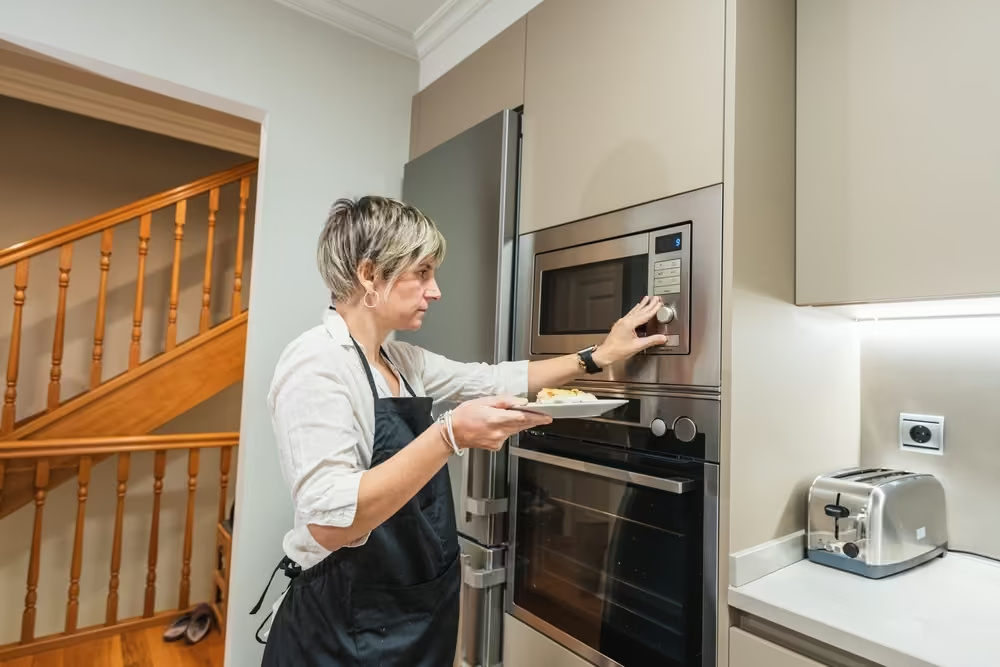
In a busy care home kitchen, lasagne is prepared for 40 residents. After serving some portions, the rest are cooled, stored, and later reheated. As the days go by, some portions remain uneaten, and the staff is faced with a common question: can these uneaten portions be reheated again tomorrow?
This situation brings up an important issue for both food businesses and care settings: how many times can food be reheated without compromising safety? While reheating food may seem like an easy solution to avoid waste, the process involves more than just warming up leftovers. Proper food safety measures must be followed to prevent the growth of harmful bacteria that could lead to food poisoning, especially in environments that care for vulnerable individuals, like elderly residents.
In this articel, we will explore what the Food Standards Agency (FSA) advises regarding reheating food, the legal guidelines surrounding food safety, and the best practices for managing reheating in the care sector. It’s essential for food businesses and care homes to know the distinction between legal requirements and best practice recommendations to ensure both compliance and safety.
TL;DR
- Official UK guidance recommends reheating food only once.
- Reheating is not just warming; it’s essentially cooking again to ensure food is safe.
- Food must be steaming hot throughout to ensure harmful bacteria are killed.
- Repeated cooling and reheating increase the risk of foodborne illness.
- Food businesses must comply with HACCP-based controls.
- Care homes require more stringent risk management due to the vulnerability of their residents.
Food Hygiene and Safety Level 3 Diploma
How Many Times Is It Safe to Reheat Food?
In the UK, official Food Standards Agency (FSA) guidance recommends reheating food only once. While food can technically be reheated more than once if handled correctly, each additional reheating cycle increases safety risks, especially in commercial or care settings.
Reheating food properly is crucial for maintaining both food safety and quality. The FSA Safe Method outlines the process that ensures food remains safe to eat after it has been cooled and stored.
What the FSA Safe Method States
- Reheating means cooking again, not just warming up. It’s essential to heat food thoroughly to kill harmful bacteria that might have grown since the initial cooking.
- Food must be steaming hot all the way through, ensuring no part of the dish remains cold, which can allow bacteria to survive.
- The “Reheat Once” rule is part of the Safer Food, Better Business (SFBB) guidelines, which provide best practice recommendations for food businesses to follow.
Clarification
The “reheat once” guideline is part of best practice for food safety but is not a statutory law. It serves as a compliance tool to mitigate risks associated with repeated reheating.
Why “Only Once” Is Recommended
- Cumulative Time in the Temperature Danger Zone: Every time food is cooled and reheated, it spends more time in the danger zone (5°C to 60°C). This increases the opportunity for bacteria to multiply.
- Cold Spots: Uneven reheating, especially in appliances like microwaves, can leave cold spots where bacteria can thrive. Stirring the food ensures even reheating.
- Increased Probability of Process Failure: The more times food is reheated, the greater the chance of it not reaching the required temperature throughout, risking foodborne illness.
- Toxin Formation: Certain bacteria, such as Bacillus cereus, can produce toxins that are heat-resistant. Even if food is reheated correctly, these toxins may remain harmful, especially after multiple reheats.
Domestic vs. Commercial Context
Clarification:
The law dictates that food must be safe, and the FSA’s “Reheat Once” recommendation is a crucial step for compliance to protect public health.
Is “Reheat Once” a Legal Requirement in the UK?
There is no specific UK law that mandates “you must only reheat food once.” However, food businesses are legally required to ensure the safety of their food through HACCP-based procedures, and the FSA guidance recommends reheating food only once to minimise risks.
Relevant Legal Framework
Food Safety Act 1990
This general duty requires food to be safe for consumption. Businesses must ensure food safety throughout its lifecycle, including proper handling, storage, and reheating.
Retained Regulation (EC) 852/2004
This regulation requires HACCP-based procedures to ensure food safety. Under these procedures, food businesses must establish critical control points for tasks like reheating to prevent foodborne illness.
National Temperature Control Regulations
These regulations specify temperature requirements for food safety and include guidance on the safe temperatures for reheating food to ensure its safety.
Scotland
In Scotland, regulations require a specific minimum reheating temperature of 82°C for commercial food operations, ensuring that food is thoroughly reheated to kill any bacteria.
Law vs. Guidance
- Law: Food businesses must ensure food is safe to eat. There is no law saying that food can only be reheated once, but it must be properly reheated to eliminate potential risks.
- Guidance: The FSA’s “Reheat Once” guidance is not a law but rather a best practice approach. It is designed to ensure food safety by reducing the risk of bacterial contamination.
Enforcement Reality
Environmental Health Officers
In practice, Environmental Health Officers (EHOs) assess food businesses to ensure that food safety procedures are being followed, including those related to reheating. They will inspect reheating procedures, check monitoring records, verify corrective actions, and ensure staff training is up to date.
Due Diligence
Businesses must demonstrate reasonable steps to ensure food safety. If an issue arises (e.g., food is reheated incorrectly), they must take corrective action and document what happened to comply with food safety laws.
Why Does Reheating More Than Once Increase Risk?
Each cycle of cooling and reheating increases the likelihood of bacterial growth and foodborne illness. Even if the food is reheated properly, repeated exposure to unsafe temperature ranges can lead to contamination or toxin development, which elevates health risks.
Reheating food multiple times can compromise both the safety and quality of your meals. Understanding why this is important involves exploring the temperature danger zone, uneven heating, and the risks posed by toxin-producing bacteria.
The Temperature Danger Zone
The danger zone for bacterial growth lies between 5°C to 60°C (41°F to 140°F). This is the range in which bacteria grow rapidly, often doubling every 20 minutes if food remains in this zone for too long. When food is reheated, it passes through this temperature range multiple times, providing bacteria with numerous opportunities to grow. This increases the chances of foodborne illness if the food is not thoroughly reheated.
Growth Accelerates in Mid-Range Temperatures
When food spends prolonged periods in the mid-range of the temperature danger zone (usually between 10°C to 30°C), the bacteria multiply at an accelerated rate, increasing the risk of contamination with each additional reheating cycle.
Cold Spots vs Hot Spots
Reheating in appliances like microwaves can cause uneven heating. Cold spots can remain in the food, which are particularly dangerous because bacteria can survive and multiply in these areas. To prevent this, stir food regularly during reheating, and check multiple areas with a thermometer to ensure even heating.
Cold Centres Are the True Hazard
While microwaves or conventional ovens may heat the outer layers of food effectively, the centre of the dish often remains cooler, allowing harmful bacteria to survive. Proper stirring and using a probe thermometer are essential for ensuring that the food reaches a safe internal temperature of 75°C (165°F), especially when reheating multiple times.
Toxin-Producing Bacteria
Certain bacteria, such as Bacillus cereus and Staphylococcus aureus, can form heat-resistant toxins. These toxins are not eliminated by reheating and can remain dangerous even after the food has reached a safe temperature. Bacillus cereus, for example, is a common contaminant in rice and starchy foods, and its spores can survive cooking and reheating, posing a significant risk if food is handled improperly.
Cumulative Risk Principle
The risks associated with reheating food are not linear, meaning that the probability of contamination and foodborne illness increases exponentially with each cycle. The more times food is reheated, the greater the chances of it being exposed to harmful bacteria or toxins. This is why the “reheat once” guideline is crucial for minimising health risks.
Does the Rule Differ in England, Scotland, Wales, or Northern Ireland?
Important Clarification
While both sets of regulations emphasise safety, it is crucial not to treat temperature figures as universal statutory rules without context. The 75°C (165°F) in England, Wales, and Northern Ireland is typically used as a practical operational control point, but specific foods or settings may require higher temperatures, such as the 82°C threshold in Scotland for commercial operations.
The “reheat once” rule applies universally, but the exact temperature control measures can differ depending on the location and the type of food establishment. It’s essential for food businesses to follow these regulations and ensure their procedures meet local and national guidelines for food safety.
What Does This Mean for Care Homes and Health & Social Care Settings?
Care homes and health settings must adhere strictly to the FSA’s “reheat once” guidance, ensuring food is thoroughly reheated each time. Due to the higher vulnerability of residents, rigorous monitoring and documentation systems are required to maintain safety.
In health and social care settings, particularly care homes, food safety is not just about keeping meals appetising; it’s about protecting vulnerable individuals from potential foodborne illnesses. This makes it imperative for care homes to implement stricter reheating practices, follow robust monitoring systems, and provide continuous training to staff.
Vulnerable Populations
- Elderly: Elderly residents often have weaker immune systems, making them more susceptible to foodborne illnesses. Their bodies may also have lower tolerance for the risks associated with improperly reheated food.
- Immunocompromised Individuals: Residents undergoing treatment for illnesses like cancer or those with weakened immune systems due to conditions like HIV are highly vulnerable to infections.
- Chronic Illness: Individuals suffering from chronic illnesses such as diabetes, cardiovascular disease, or respiratory conditions often have compromised health, making foodborne pathogens more dangerous.
Governance Expectations
Inspection Implications
Reheating failures in care homes and health settings can lead to compliance issues under nutrition and safety regulations. Environmental Health Officers (EHOs) conduct thorough inspections to ensure these systems are in place. Failing to meet the “reheat once” standard or allowing food to sit in unsafe temperature zones can result in sanctions, fines, and reputational damage to the facility.
What Changed Recently in UK Food Safety Guidance?
Recent research by the Food Standards Agency (FSA) has revealed that there is a widespread misunderstanding among the public about the safe reheating of leftovers. This research has emphasized the need for clearer communication about the importance of reheating food until it is “steaming hot throughout.”
The FSA’s latest findings shed light on several public misconceptions surrounding reheating food, which has led to inconsistencies in food safety practices. The guidelines are continually evolving to better address these issues, especially in light of recent behavioural research.
Behavioural Research Insights
- Underheating of Leftovers: A significant number of people are still reheating food to an insufficient temperature, often underestimating the risks associated with underheating. This is a common mistake that increases the likelihood of bacterial growth and contamination.
- Microwaving Inconsistencies: Microwaves, while convenient, often result in uneven heating. This can leave cold spots in food where bacteria can thrive. Consumers frequently fail to stir or rotate food during microwaving, which means that certain areas do not reach the required temperature to kill pathogens.
Messaging Emphasis
The FSA is placing a stronger emphasis on the messaging that food must be reheated until it is “steaming hot throughout.” This language is more straightforward and leaves little room for interpretation, reducing confusion around food safety.
Clearer Operational Language
The FSA has worked on clarifying the operational language used in food safety guidance, ensuring that instructions are more accessible and less likely to be misinterpreted. This includes more explicit definitions of what “steaming hot throughout” actually means in practice.
Clarification of Previous Guidelines
Older guidelines and web articles suggested that reheating food multiple times was acceptable, without sufficiently outlining the risks associated with multiple reheating cycles. Recent changes to the FSA’s approach correct this misconception, reinforcing the importance of limiting reheating to a single cycle. These adjustments help ensure that both businesses and consumers prioritise safety over convenience.
How Should Reheating Be Managed Under HACCP?
Reheating is a critical control step within a HACCP-based food safety system. It requires precise temperature targets, systematic monitoring, clear corrective actions, and thorough documentation to ensure safety at every stage of the process.
Managing reheating within a HACCP (Hazard Analysis and Critical Control Point) system is essential to ensure food safety and minimise risks. Reheating is considered a critical control point where food safety is at high risk, and it must be closely monitored.
Hazard Identification
- Bacterial Growth: Food is most susceptible to bacterial contamination during the cooling and reheating stages. If reheating is not handled properly, bacteria like Salmonella and E. coli can multiply rapidly.
- Toxin Formation: Some bacteria, like Bacillus cereus, can produce heat-resistant toxins. These toxins are not destroyed by reheating, posing a serious health risk.
Critical Limits
- Defined Internal Temperature: Reheated food must reach a minimum temperature of 75°C (165°F) for at least 30 seconds to ensure that harmful bacteria and pathogens are destroyed.
- Steaming Hot Verification: Food must be visually checked to confirm it is “steaming hot throughout” to indicate it has reached the correct temperature.
Monitoring
- Probe Thermometer Checks: A food probe thermometer is essential for verifying the core temperature. It should be inserted into the thickest part of the food to ensure it reaches the desired temperature.
- Visual Steam Confirmation: Steam rising from the food is a simple visual cue that the food is hot enough. However, this should not replace temperature checks.
Corrective Action
Verification
- Equipment Checks: Regular checks on reheating equipment (microwave, oven, stove) must be performed to ensure they are functioning correctly.
- Staff Retraining: Ongoing staff training is necessary to ensure adherence to HACCP procedures and best practices. This ensures that staff understand the critical points and the importance of correct reheating procedures.
What Are the Most Common Myths About Reheating Food?
Common myths surrounding reheating food include misconceptions that reheating kills all toxins, smell indicates safety, or that microwaves heat evenly. These misunderstandings significantly increase the risk of foodborne illness.
Misunderstandings about food safety can be detrimental to public health. Here, we debunk some of the most common myths related to reheating food that can lead to unsafe practices.
Debunking Common Myths
- “You can reheat food an unlimited number of times.”
- This is one of the biggest myths. The more times food is reheated, the higher the chance of bacterial growth. The Food Standards Agency (FSA) recommends reheating food only once to minimise risks.
- “If it smells fine, it’s safe to eat.”
- Smell is not a reliable indicator of food safety. While spoilt food often has an unpleasant smell, some harmful bacteria or toxins do not produce any odour. This is why checking the temperature is the most reliable method.
- “Hotspots are dangerous.”
- Hotspots in food may cause concern, but the real risk lies in cold spots. Microwaves do not heat food evenly, which can leave certain areas cool enough for bacteria to survive. Stirring food evenly while reheating helps to reduce cold spots.
- “Temperature alone guarantees safety.”
- While temperature is a critical factor, it’s not the only consideration. Even if food reaches the right temperature, certain heat-resistant toxins (like those from Bacillus cereus) can still be present and cause illness. Proper storage and handling also play a key role in food safety.
By correcting these myths and applying best practices for food safety, we can significantly reduce the risks of foodborne illness associated with reheating. Always prioritise safe methods, like using a food thermometer, and ensure food is reheated thoroughly to 75°C (165°F).
Practical Workplace Application Checklist
A safe reheating process in the workplace requires preheating equipment, ensuring food is reheated until steaming hot throughout, serving immediately, avoiding repeated cycles, and documenting any corrective actions taken.
To ensure the safety and quality of reheated food in a professional setting, it’s essential to follow a clear and systematic process. Here’s a step-by-step checklist to guide the reheating process:
Step-by-Step Model
Policy Suggestion for Care Providers
Adopt a “Single Reheating Policy”:
Care providers should implement a single reheating policy to reduce cumulative risks. This policy ensures that food is reheated only once, which minimises the chances of bacterial contamination and ensures food safety for vulnerable populations. By limiting the reheating process, the care home can help maintain both food safety and quality.
Summary & Key Takeaways for Learners and Practitioners
- The Food Standards Agency (FSA) recommends reheating food only once to ensure it remains safe.
- Thorough reheating is crucial; food must be steaming hot throughout to kill harmful bacteria.
- Proper cooling and storage practices before reheating are essential to prevent bacterial growth.
- Cold spots can remain in microwaved food; always stir food during reheating to ensure even heating.
- In commercial settings and care homes, HACCP procedures must be followed to meet food safety standards.
- Reheating failures can lead to compliance issues during inspections, so proper monitoring and documentation are key.
- Vulnerable populations in care settings require extra care to avoid health risks due to improper reheating.
Food Hygiene and Safety Level 3 Diploma
FAQ’s
Q: How many times can you reheat food safely?
A: In the UK, the official guidance from the Food Standards Agency (FSA) recommends reheating food only once. Each cycle of reheating increases the risk of bacterial growth. If food is reheated more than once, it’s essential to ensure it reaches the correct temperature and is evenly heated to avoid contamination.
Q: Is reheating once UK law?
A: There’s no specific UK law that mandates "you must reheat food once." However, food businesses are legally required to maintain food safety under regulations like the Food Safety Act and HACCP guidelines. The FSA’s "reheat once" recommendation serves as best practice to minimise foodborne illness risks.
Q: What temperature should reheated food reach?
A: Reheated food should reach an internal temperature of 75°C (165°F) for at least 30 seconds to ensure it is safe to eat. This temperature ensures that harmful bacteria are killed. It’s important to verify the temperature using a food thermometer, especially when reheating large portions.
Q: Can you reheat rice twice?
A: Reheating rice more than once is not safe, as it can contain Bacillus cereus spores, which can survive cooking. Reheating rice multiple times can lead to food poisoning. The safest option is to reheat rice once and consume it immediately after reheating to avoid bacterial growth.
Q: Why is rice higher risk?
A: Rice is a higher-risk food because it can contain Bacillus cereus spores, which are heat-resistant. If rice is left at room temperature for too long, the spores can multiply and produce toxins. These toxins may not be destroyed by reheating, making rice particularly risky to reheat more than once.
Q: Can food be reheated after freezing?
A: Yes, food can be safely reheated after being frozen, as long as it was stored properly. When reheating, ensure the food reaches 75°C (165°F) throughout. Avoid refreezing food that has been reheated, as repeated temperature changes increase the risk of bacterial growth.
Q: Does reheating kill toxins?
A: Reheating food may kill most bacteria, but it doesn’t always eliminate toxins, especially those produced by Bacillus cereus. Toxins can be heat-resistant and may survive reheating. It's crucial to handle food correctly before reheating and store it safely to minimise the risk of toxin formation.
Q: Can you reheat food left out overnight?
A: No, food left out overnight should not be reheated. If food has been left at room temperature for more than 2 hours, bacteria can multiply rapidly. Reheating may not eliminate all harmful bacteria or toxins, so it’s safer to discard any food left out for an extended period.
Q: Is microwave reheating safe?
A: Microwave reheating can be safe if done correctly, ensuring food reaches 75°C (165°F) throughout. Microwaves heat unevenly, which can leave cold spots where bacteria might survive. Stir the food halfway through and check that it is steaming hot in the centre before consuming.
Q: What does “steaming hot throughout” mean?
A: "Steaming hot throughout" means the food should be heated all the way through to 75°C (165°F), with visible steam rising from the food. This ensures that harmful bacteria are killed, and the food is safe to eat. It’s important to stir or check the food's temperature in the centre.
Q: Can care homes reheat food twice?
A: Care homes should follow the "reheat once" guidance to ensure safety for vulnerable residents. Multiple reheating cycles increase the risk of bacterial growth, especially in facilities serving at-risk populations like the elderly. Strict food safety protocols and temperature checks are essential in care settings.
Q: What is the danger zone?
A: The danger zone is the temperature range between 5°C and 60°C (41°F to 140°F) where bacteria grow rapidly. Food should not stay in this range for extended periods, as bacteria can multiply quickly. Keeping food outside this zone through proper storage and reheating helps prevent contamination.
Q: Does Scotland have different rules?
A: Yes, Scotland has stricter reheating requirements. In commercial settings, food must be reheated to 82°C. In other parts of the UK, the FSA recommends a minimum of 75°C. The core goal is to ensure food safety by reaching a temperature that kills harmful bacteria.
Q: How long can leftovers be stored?
A: Leftovers should be stored in the fridge within 2 hours of cooking and eaten within 2-3 days. If not consumed within that period, leftovers should be discarded or frozen for longer storage. When freezing, ensure the food is properly sealed to maintain quality and safety.
Q: What happens during an inspection?
A: Environmental Health Officers (EHOs) assess whether food businesses comply with food safety standards, including reheating procedures. They check for proper temperature monitoring, record-keeping, and staff training. If issues are found, businesses may be required to implement corrective actions to ensure ongoing safety.
Q: What is due diligence?
A: Due diligence in food safety means businesses must take reasonable steps to ensure food safety, including proper reheating practices. This includes monitoring temperatures, training staff, and following best practices. Demonstrating due diligence helps businesses avoid legal liability in case of food safety violations.
Q: Is reheating more than once illegal?
A: Reheating food more than once is not illegal, but it is not recommended due to the increased health risks. Each reheating cycle increases the chances of bacterial growth and foodborne illness. Food businesses should adhere to FSA guidance, which recommends reheating food only once.

Q: Should children’s food be reheated once?
A: Yes, children’s food should be reheated only once to ensure it is safe to eat. The same safety guidelines apply to reheating food for children, ensuring it reaches 75°C (165°F) and is piping hot throughout. Proper reheating minimises the risk of foodborne illness.
Q: Can soups be reheated multiple times?
A: Soups can be reheated multiple times, but it is best to reheat them only once to avoid food safety risks. Ensure the soup is thoroughly reheated to 75°C (165°F) each time to kill harmful bacteria. Repeated reheating can also affect the flavour and texture of the soup.

Q: What should be recorded if reheating fails?
A: If reheating fails to reach the required temperature, document the issue and the corrective action taken. Record keeping is essential for compliance, and businesses must note any reheating failures, the reasons for them, and the steps taken to resolve the issue to ensure food safety.