A health and social care course builds the skills and knowledge needed for a rewarding career supporting others. The sector offers strong job demand, diverse roles, and real opportunities to make a difference. This guide explains the key benefits and what to expect from studying health and social care in the UK.
A health and social care course gives you the practical knowledge and skills to support people’s physical, emotional, and social wellbeing. The sector offers strong job demand, varied career paths, and the chance to do meaningful work every day. Whether you are starting out or looking to develop, this type of course prepares you for a wide range of roles in the UK care sector.
What Makes Health and Social Care a Good Career Choice?
Health and social care is one of the fastest-growing employment sectors in the UK. The demand for skilled care professionals continues to rise. People are living longer. Communities are becoming more diverse. The need for trained support workers, healthcare assistants, and care coordinators grows with it.
This means the sector offers strong job security. Roles exist across the NHS, local authorities, private care providers, charities, and community organisations. Unlike some industries, care work is not at risk of disappearing. People will always need support with their health and daily living.
Choosing to study in this area gives you access to a career with long-term stability. It also gives you the flexibility to work in different settings and specialise over time.
Health and Social Care Level 3 Diploma
Learn to promote Health and Social Care Level 3 Diploma!
What Skills Does a Health and Social Care Course Develop?
One of the main reasons to choose a health and social care course is the range of skills you build. These go beyond care-specific knowledge. They apply across many roles and industries.
Core skills you develop include:
Clear and compassionate communication
Active listening and empathy
Teamwork and collaboration
Problem-solving in real-world situations
Understanding of safeguarding responsibilities
Awareness of equality, diversity, and inclusion
Time management and organisation
These are transferable skills. They strengthen your ability to work with people in any professional setting. Employers in the care sector look for these qualities when recruiting and promoting staff.
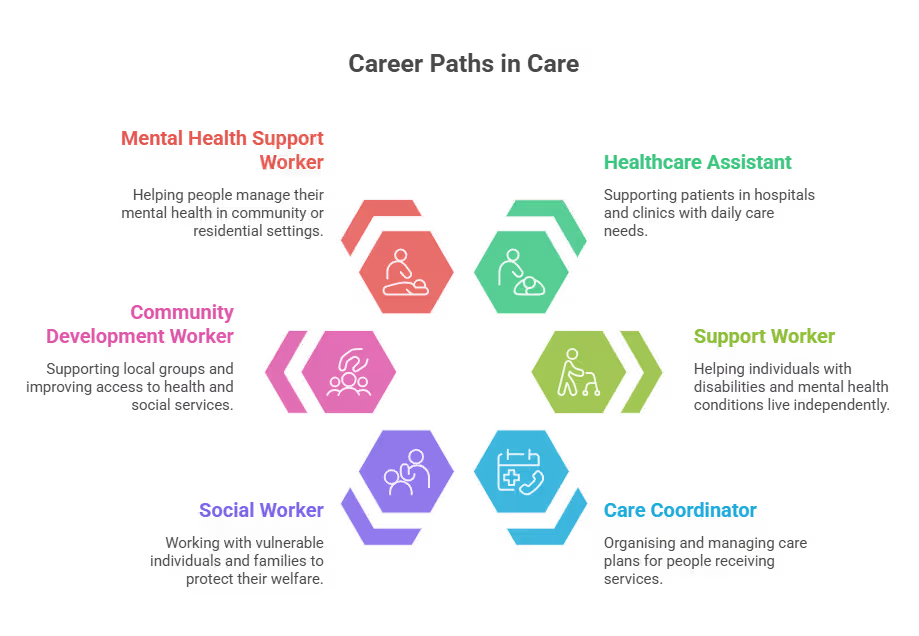
What Career Paths Can You Follow?
Health and social care courses open the door to a wide range of roles. The specific path depends on your level of study, your interests, and your experience.
Some roles require regulated qualifications. Others are accessible through CPD learning and relevant experience. Many professionals start in entry-level roles and progress through continued training and development.
How Does a Health and Social Care Course Help You Support Others?
At its core, health and social care is about improving people’s lives. A course in this area teaches you how to provide person-centred support. This means focusing on the individual’s needs, preferences, and goals rather than applying a one-size-fits-all approach.
You learn how to work with people across a wide range of situations. This includes supporting older adults in care homes, helping young people with complex needs, and working alongside families going through difficult times.
Courses also cover safeguarding. This is a key part of working in the care sector. You learn how to recognise signs of abuse or neglect and what steps to take. Understanding safeguarding is not optional in care work. It is a core responsibility.
The practical knowledge you gain helps you approach your role with confidence. It also helps you deliver care that respects people’s dignity and rights.
Is Health and Social Care in Demand in the UK?
Yes. The UK care sector faces ongoing workforce challenges. Skills for Care reports persistent vacancy rates across adult social care in England. This means employers are actively looking for people with the right skills and knowledge.
The ageing population is a key driver of this demand. More people need support with long-term conditions, mobility, and daily living. At the same time, the sector needs professionals who understand mental health, learning disabilities, and community-based care.
This demand creates real opportunities for people who invest in their learning. Whether you are entering the sector for the first time or building on existing experience, relevant training strengthens your position in the job market.
Do You Need a Qualification to Work in Health and Social Care?
Not always. Some entry-level care roles do not require a formal qualification. However, structured learning makes a significant difference to your effectiveness and career progression.
Many employers expect staff to complete the Care Certificate within the first 12 weeks of employment. This is a set of minimum standards for new care workers in England. It is not a regulated qualification. It is a framework of learning that covers 15 core areas.
Beyond the Care Certificate, there are several ways to develop your knowledge:
CPD courses support ongoing learning in specific topics. They are flexible and accessible. They are not regulated qualifications but help you build practical understanding.
Diplomas and NVQs (such as the Level 2 or Level 3 Diploma in Care) are regulated qualifications assessed against national standards.
Access to Higher Education Diplomas prepare you for university-level study.
Degrees open doors to roles like social work, nursing, or occupational therapy.
Choosing the right type of course depends on where you are in your career and where you want to go.
What Are the Common Misunderstandings About Health and Social Care Courses?
There are a few things people often get wrong about these courses.
“All health and social care courses are the same.” They are not. Courses vary in level, content, and purpose. A CPD course in medication awareness is very different from a Level 3 Diploma or a university degree. It is important to understand what each type offers before enrolling.
“A course guarantees you a job.” No course can guarantee employment. What it does is give you the knowledge and skills that employers look for. Your experience, attitude, and willingness to learn also matter.
“CPD is the same as a qualification.” CPD supports your professional development. It helps you build knowledge and stay up to date. However, it is not a regulated qualification. Both play a role in a care professional’s career, but they serve different purposes.
Quick Recap
Health and social care courses develop practical, transferable skills valued across the UK care sector.
The sector offers strong job demand, diverse roles, and long-term career stability.
CPD supports ongoing learning but is not the same as a regulated qualification.
Studying Through Royal Open College (CPD Learning)
Royal Open College offers CPD courses in health and social care that cover key topics relevant to care roles in the UK. These courses are designed to support flexible, self-paced learning. They help you develop the practical knowledge that applies to everyday care practice. CPD learning through Royal Open College is a useful option whether you are new to the sector or looking to strengthen your existing skills.
Health and Social Care Level 3 Diploma
Learn to promote Health and Social Care Level 3 Diploma!
Protecting adults from harm starts with understanding the legal responsibilities behind everyday care. Those responsibilities vary across the UK, and several laws can apply to the same situation. Knowing how they fit together helps you make sense of your role. Explore the main legislation and what it means for safeguarding decisions in your workplace.
What makes an adult vulnerable is not always obvious from their age or diagnosis. Understanding their situation means looking at the support they need and the challenges they face in protecting themselves from abuse or neglect. Explore how these factors shape vulnerability, why individual circumstances matter and what this means for recognising concerns in adult safeguarding.
Abuse can take different forms and recognising the differences makes safeguarding concerns easier to understand. Child safeguarding commonly groups abuse into physical, emotional and sexual abuse, alongside neglect. These categories can overlap and appear in different settings. This guide explains what each type means and how to recognise important warning signs in everyday safeguarding practice.