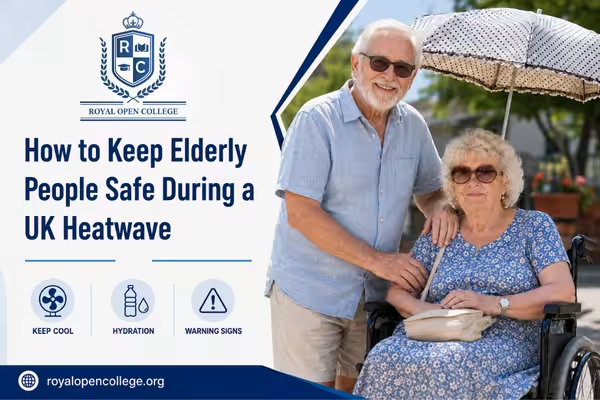


To keep elderly people safe during a UK heatwave, focus on three simple things: keeping them cool, helping them drink enough fluids, and checking on them regularly. Older adults can become unwell more quickly in hot weather, especially if they live alone, have dementia, take regular medication, or have heart, breathing or mobility problems.
Even small actions can make a big difference. Closing sunny curtains, offering drinks often, moving someone to a cooler room, and spotting early signs of heat exhaustion can help protect their health. For carers or care-related workers who want to build their awareness, Royal Open College’s Heatwave Awareness course offers structured CPD learning, but it should not replace employer training, care plans, local procedures or medical advice
Quick recap
Why are elderly people more vulnerable in a heatwave?
Elderly people may not feel heat or thirst in the same way as younger adults. Some may sweat less, move less easily, or forget to drink enough. Dementia, frailty, breathing conditions, heart problems and certain medicines can also make hot weather harder to manage.
Hot weather can increase the risk of dehydration, heat exhaustion and heatstroke. It can also make existing health problems worse. That is why a heatwave is not just “nice weather” for older people; it can become a health and care risk.
How can you keep an elderly person cool at home?
Start with the rooms they use most. Close curtains and blinds on sunny windows during the day. Open windows only when the air outside feels cooler, often early morning or evening. If the upstairs rooms feel hot, help them rest downstairs or in the coolest safe space.
Keep lights and unused electrical items off where possible.
Offer a cool shower, a damp cloth on the neck, or cool water on the skin.
Fans can help in some conditions, but GOV.UK advises using electric fans only when the air temperature is below 35°C and not aiming them directly at the body because this may add to dehydration risk.
GOV.UK advises using electric fans only when the air temperature is below 35°C and not aiming them directly at the body because this may add to dehydration risk.
How do you help prevent dehydration?
Do not wait until the person says they are thirsty. Offer small drinks regularly. Water, diluted squash and lower-fat milk are useful choices. Cool foods such as melon, cucumber, yoghurt, salad and ice lollies can also help.
Look out for darker urine, fewer toilet visits, dry mouth, headaches, tiredness or sudden confusion. These can be signs that the person needs more fluid. If they have a medical fluid limit, follow their care plan or ask a health professional.
What are the warning signs of heat exhaustion and heatstroke?
Heat exhaustion can cause tiredness, dizziness, headache, nausea, heavy sweating, cramps, high temperature, thirst or irritability. NHS advice says someone with heat exhaustion should be moved to a cool place, have unnecessary clothing removed, be given fluids, and have their skin cooled. They should start to feel better within 30 minutes.
Heatstroke is more serious. Call 999 if the person is still unwell after 30 minutes, has a very high temperature, hot skin without sweating, fast breathing, confusion, a seizure, or loses consciousness.
What should family members or carers check each day?
A quick check can feel simple, but it can protect someone’s health. Ask:
Have you had a drink recently?
Is your room cooler than outside?
Are you passing urine as normal?
Do you feel dizzy, sick, weak or confused?
Are your medicines stored away from heat?
Do you know who to call if you feel unwell?
For someone living alone, a daily phone call, neighbour visit or planned carer check can be very reassuring.
What should care workers remember?
Care workers should follow the person’s care plan, employer policy and local hot weather procedures. In regulated care settings, heatwave safety links with safe care, hydration, recording concerns and raising issues early. CQC Regulation 12 focuses on safe care and reducing avoidable harm, while Regulation 14 focuses on nutrition and hydration needs.
Common mistakes to avoid
Do not assume someone is safe because they are indoors. Hot bedrooms, top-floor flats and poorly ventilated rooms can still become risky.
Do not leave windows open all day if the air outside is hotter than inside. Do not rely only on a fan. And do not ignore sudden confusion, unusual tiredness or sickness during hot weather.
Most importantly, do not wait too long. If an elderly person seems very unwell, confused, breathless, faint or does not improve after cooling, get urgent medical help.