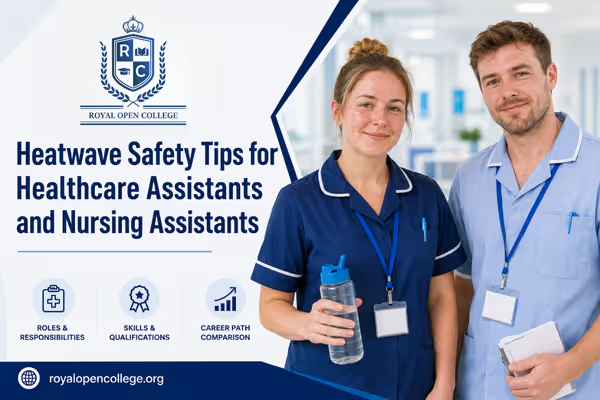



Heatwaves can be tough for everyone, but they can be especially risky in hospitals, care homes, supported living services, and home care settings. Healthcare assistants and nursing assistants play an important role by helping people stay hydrated, keeping care areas cooler, spotting early signs of heat illness, and reporting concerns before they become serious.
During hot weather, your everyday care role becomes even more important. You may need to prompt fluids, spot changes in behaviour, support cooler environments, and escalate concerns to a nurse, senior carer, or manager. Royal Open College’s Heatwave Awareness course provides CPD learning that can help build awareness of these risks, while employer procedures, care plans, and workplace supervision still come first.
Quick recap
Why does heatwave safety matter in care?
In a care setting, hot weather is not just uncomfortable. It can affect patient safety, staff wellbeing, concentration, medication storage, infection control, moving and handling, and falls risk.
The NHS warns that heatwaves can increase the risk of dehydration, overheating, heat exhaustion and heatstroke, especially for people who are already vulnerable. It also advises people to avoid the sun where possible between 11am and 3pm, drink extra fluids, and keep living spaces cool.
Who is most at risk during hot weather?
Some people need extra support because they may not feel thirsty, may forget to drink, or may not be able to explain their symptoms.
This can include older people, people with dementia, diabetes, heart or breathing problems, kidney disease, mobility problems, mental health needs, learning disabilities, autism, or communication difficulties. People on multiple medicines, pregnant people, and people who spend time outside may also be more at risk.
What should HCAs and nursing assistants do first?
Start with the basics: read the care plan, listen carefully during handover, and know who needs closer checks. Some people may have fluid restrictions, swallowing difficulties, or specific instructions around drinks and meals.
Your role is usually to observe, support, record, report, and escalate. Do not change care plans, medicine routines, or clinical instructions on your own. If a resident seems unusually tired, confused, dizzy, clammy, flushed, or refuses fluids, tell the nurse, senior carer, or manager.
How can you support hydration safely?
Offer cool drinks often, where suitable. Some people need gentle prompts. Others may need help holding a cup, using adapted equipment, or drinking slowly.
If your workplace records fluid intake, keep records clear and honest. Report signs such as dry mouth, dark urine, headache, vomiting, dizziness, sudden weakness, or confusion. If someone has swallowing guidance or a fluid limit, follow the care plan and ask senior staff before offering extra fluids.
How can care areas be kept cooler?
Small actions can help. Close blinds or curtains on sunny windows. Move people away from direct sunlight where safe. Open windows when the air outside is cooler. Use fans only where your workplace allows them.
The UKHSA Heat-Health Alert action card gives suggested actions for health and social care providers during heat alerts, including planning around people most at risk. Staff should also report medicine rooms, trolleys, or storage areas that feel too hot, rather than trying to make medicine decisions themselves.
What are the signs of heat exhaustion and heatstroke?
Heat exhaustion can look like tiredness, weakness, headache, dizziness, thirst, heavy sweating, cramps, fast breathing, sickness, or feeling faint. Act early. Move the person somewhere cooler, support cooling, offer suitable fluids, and report the concern.
Heatstroke is more serious. Warning signs may include confusion, poor coordination, seizure, loss of consciousness, very hot skin, fast heartbeat, or shortness of breath. Treat suspected heatstroke as an emergency and follow your workplace emergency procedure.
How should staff protect themselves?
You cannot care well if you are becoming unwell yourself. Drink water before you feel thirsty, take breaks where possible, use cooler rest areas, and speak up early if you feel dizzy, sick, weak, or overheated.
PPE, uniforms, busy shifts, laundry areas, kitchens, community visits, and hot cars can all increase heat stress. HSE says there is no legal maximum workplace temperature in the UK, but employers still need to manage workplace temperature and heat risks.
Common misunderstandings
A heatwave plan is not only for outdoor workers. Care homes, wards, supported living services, and home care visits can all become risky in hot weather.
Patients will not always ask for water. Some people need prompts, support, and closer observation.
CPD training does not replace employer procedures. Heatwave safety depends on your role, setting, care plan, employer policy, local guidance, and senior supervision.