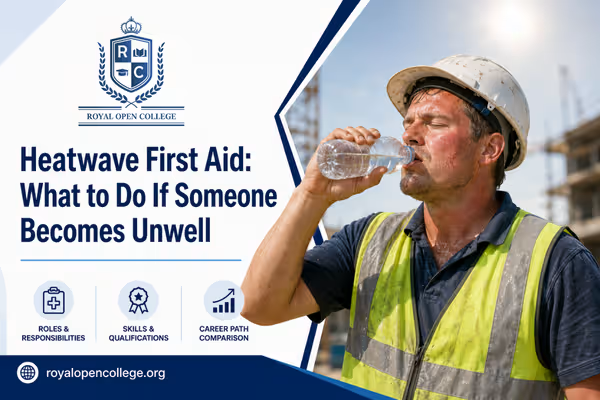

If someone becomes unwell during a heatwave, the first thing to do is help them cool down safely. Move them to a shaded or cooler place, remove unnecessary clothing, offer small sips of cool water if they are awake and able to drink, and cool their skin with water, a fan, damp cloths, or wrapped cold packs.
This can be especially important in care homes, workplaces, outdoor settings, and homes where older people, children, or people with long-term health conditions may be more vulnerable. For staff or team leaders who want to build practical awareness before hot weather arrives, Royal Open College’s Heatwave Awareness course offers CPD learning to support understanding of heat-related risks, while employer first-aid arrangements, local procedures, and emergency guidance must still be followed.
Quick recap
- Move the person somewhere cool and start cooling them straight away.
- Give water or a rehydration drink only if they are conscious and able to drink.
- Call 999 if they seem confused, have a seizure, lose consciousness, or do not improve within 30 minutes.
What should you do first?
Think of the first few minutes as: cool, hydrate, monitor, escalate.
Help the person sit or lie down in a cooler place. This could be indoors, in shade, near a fan, or away from direct sun. Remove outer layers such as jackets, socks, PPE, or tight clothing where appropriate.
Offer small sips of cool water. An isotonic sports drink or oral rehydration drink may also help replace fluids and salts. Do not force fluids, and do not give anything by mouth if the person is unconscious, very drowsy, confused, or unable to swallow safely.
Cool their skin with a spray, sponge, damp cloth, fan, or cool wet sheet. Wrapped cold packs can be placed on the neck or under the armpits.
How do you know if it is heat exhaustion?
Heat exhaustion often comes with tiredness, dizziness, headache, nausea, heavy sweating, cramps, thirst, clammy skin, and a fast pulse. Skin colour changes may be harder to notice on brown or black skin, so pay attention to behaviour, breathing, sweating, weakness, and how the person feels.
This is the stage where quick action can make a real difference. Stay with the person. Keep cooling them. Encourage safe fluids. They should begin to feel better within about 30 minutes.
When is it heatstroke?
Heatstroke is more serious. Call 999 immediately if the person has signs such as confusion, loss of coordination, very hot skin, fast breathing, a fast heartbeat, seizure, or loss of consciousness. UKHSA also describes heatstroke as a medical emergency where the body can no longer cool itself properly.
Do not wait to “see how they go” if their behaviour changes. Confusion, collapse, or a seizure during hot weather should always be treated seriously.
What should you do while waiting for help?
Keep cooling the person while waiting for emergency help. Use cool water, a fan, damp sheets, or cold packs if available. If they lose consciousness but are breathing, place them in the recovery position and tell the ambulance service.
Do not drive them to A&E if heatstroke is suspected. Call 999 and follow the advice given by the call handler.
Who is most at risk in a UK heatwave?
Anyone can become unwell in hot weather, but some people need extra attention. This includes older people, babies, young children, pregnant women, people with heart or breathing conditions, diabetes, kidney disease, dementia, mobility problems, people taking certain medicines, outdoor workers, and people living alone or without stable housing. UKHSA highlights these groups as being at higher risk during hot weather.
In care settings, staff should be alert to small changes: unusual tiredness, reduced drinking, fewer toilet visits, confusion, dizziness, or a person “not seeming themselves.”
What should care workers and employers remember?
Not Just About One Emergency
Heatwave first aid is not just about one emergency. It is also about preparation.
Employers Should Think About
Employers should think about shade, ventilation, rest breaks, fluids, workloads, PPE, travel, and who may be more vulnerable.
Heat Stress Risk
HSE notes that heat stress risk depends on factors such as work rate, humidity, clothing, PPE, and individual health.
CQC Regulation 12
In regulated care, providers also need safe systems for assessing and reducing risks to people's health and safety. CQC Regulation 12 focuses on preventing avoidable harm and making sure staff have suitable competence, skills, and experience for safe care.
Common misunderstandings
Heat exhaustion and heatstroke are not the same. Heat exhaustion may improve with cooling and fluids. Heatstroke needs emergency help.
Sweating does not always mean someone is safe. A person with heatstroke may stop sweating, but symptoms can vary.
A CPD course is not a first-aid qualification or a legal guarantee. It can support awareness, but workplace first-aid cover, employer policy, and local emergency procedures still matter.