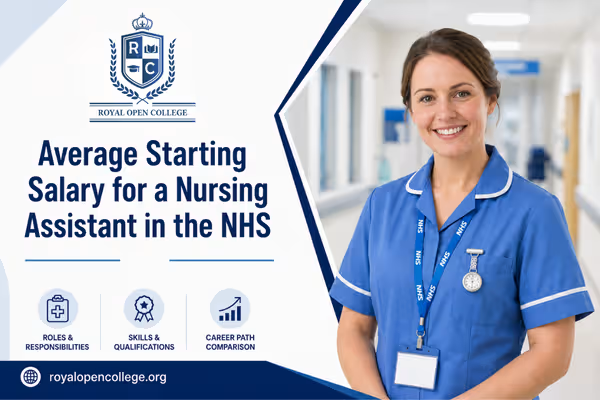


Average Starting Salary for a Nursing Assistant in the NHS

Average Starting Salary for a Nursing Assistant in the NHS

NHS nursing assistants usually start around Band 2 pay, but some roles are advertised at Band 3. Your actual salary depends on the job title, NHS band, location, shift pattern and employer.

An NHS nursing assistant usually starts around Band 2 pay, which is £25,272 a year on the 2026/27 NHS Agenda for Change scale. Some job adverts use titles like Healthcare Assistant, HCA, Healthcare Support Worker or Nursing Assistant, so the salary can look slightly different when you search. A few roles are advertised at Band 3, from £25,760 to £27,476, especially when the job includes more responsibility or asks for previous care experience. 

Employers often look for care values, communication, reliability and a basic understanding of safe practice. Royal Open College’s Level 3 Diploma in Nursing Assistant Complete Training can support CPD knowledge in areas like safeguarding, infection control and patient support, but it does not guarantee NHS employment or Band 3 pay.

Quick recap

  • NHS nursing assistant starting pay is usually linked to Band 2 or Band 3.
  • Pay can change with location, shift pattern, experience and employer policy.
  • Search for Nursing Assistant, Healthcare Assistant, HCA and Healthcare Support Worker.

What is the usual NHS starting salary?

For many entry-level NHS support roles, Band 2 is the starting point. That means a full-time salary of around £25,272 a year before tax, National Insurance, pension deductions or any shift extras.

This is the number many learners want because it gives a realistic starting point. It is not a promise for every job, but it is a strong guide when you are comparing NHS adverts.

Why do some nursing assistant jobs pay more?

This is where people often get confused. Two adverts may look similar, but the pay can be different.

Band 2

One role might be Band 2 and focus on personal care, meals, hygiene, mobility, comfort and basic observations.

PAY
DIFFERS

Band 3

Another role might be Band 3 and ask for more experience, stronger care knowledge or delegated clinical tasks under supervision.

That is why you should always read the job description, not just the job title.

Is nursing assistant the same as healthcare assistant?

In many NHS adverts, the titles overlap. NHS England explains that “healthcare support worker” is an umbrella term that can include healthcare assistant, nursing assistant, theatre support worker, maternity support worker and other support roles.

So, when you search, do not only type “nursing assistant”. Also try HCA, Healthcare Assistant, Healthcare Support Worker, Clinical Support Worker and Nursing Auxiliary.

Can London or shift work increase pay?

Yes, sometimes. NHS jobs in London or high-cost areas may include extra location payments. This is why London adverts often show a higher salary than the standard national Band 2 or Band 3 figure.

Shift pattern can also make a difference. NHS unsocial hours payments are additions to basic pay for eligible evening, night, weekend or public holiday work. So, someone working nights or weekends may earn more than someone working only standard weekday hours.

What does a nursing assistant do for this salary

What does a nursing assistant do for this salary?

A nursing assistant supports patients and clinical staff. The work can include helping patients wash, dress, eat, move safely, use the toilet, feel comfortable and stay calm.

You may also help with basic observations, care notes, infection prevention, cleaning care areas and reporting changes to nurses. It is practical work, but it is also emotional work. Patients often remember the person who spoke kindly, noticed discomfort or helped them keep their dignity.

Can training help with salary?

Training does not automatically raise your salary. It can, however, help you feel more prepared when applying for NHS nursing assistant or healthcare assistant roles.

Employers may look at your experience, values, right to work, DBS checks, references, communication skills, Care Certificate progress and workplace competence. CPD training can support your knowledge, but the employer decides what is suitable for the role.

Common misunderstandings

A CPD course is not a licence to practise. It does not guarantee NHS employment, Band 3 pay or shortlisting.

“CNA” is also not the usual UK NHS job title. In the UK, you are more likely to see Healthcare Assistant, Nursing Assistant, HCA or Healthcare Support Worker.

The safest answer is simple: expect Band 2 as a common NHS starting point, look carefully at Band 3 adverts, and always check the job description before you apply.

Recent Blogs

Safeguarding_and_Child_Protection_UK_Guide

Safeguarding and Child Protection: UK Guide

Safeguarding is one of the most important responsibilities you can hold, whether you work with children, young people or vulnerable adults. This guide walks you through how safeguarding differs from child protection, which UK guidance applies to your setting and the role of a Designated Safeguarding Lead. You will also learn how to report concerns and choose the right CPD learning without confusing it with a regulated qualification.

Choosing a Safeguarding Course for Childcare Professionals

Choosing a Safeguarding Course for Childcare Professionals

Choosing the right safeguarding course depends on your role, your contact with children, and what your employer actually requires for the position. This guide covers common safeguarding training levels, current EYFS requirements for early years settings in England, the Designated Safeguarding Lead role, and how CPD learning fits alongside statutory safeguarding duties in daily practice.

Nursing Assistant Course Birmingham: Online Study Options Explained

Nursing Assistant Course Birmingham: Online Study Options Explained

Not all nursing assistant certificates carry the same weight with Birmingham employers. This guide covers the CPD versus Ofqual distinction no competitor explains, clarifies why an online course does not complete the Care Certificate, and gives you a clear picture of what Birmingham NHS trusts, care homes, and private providers check before offering you a role.