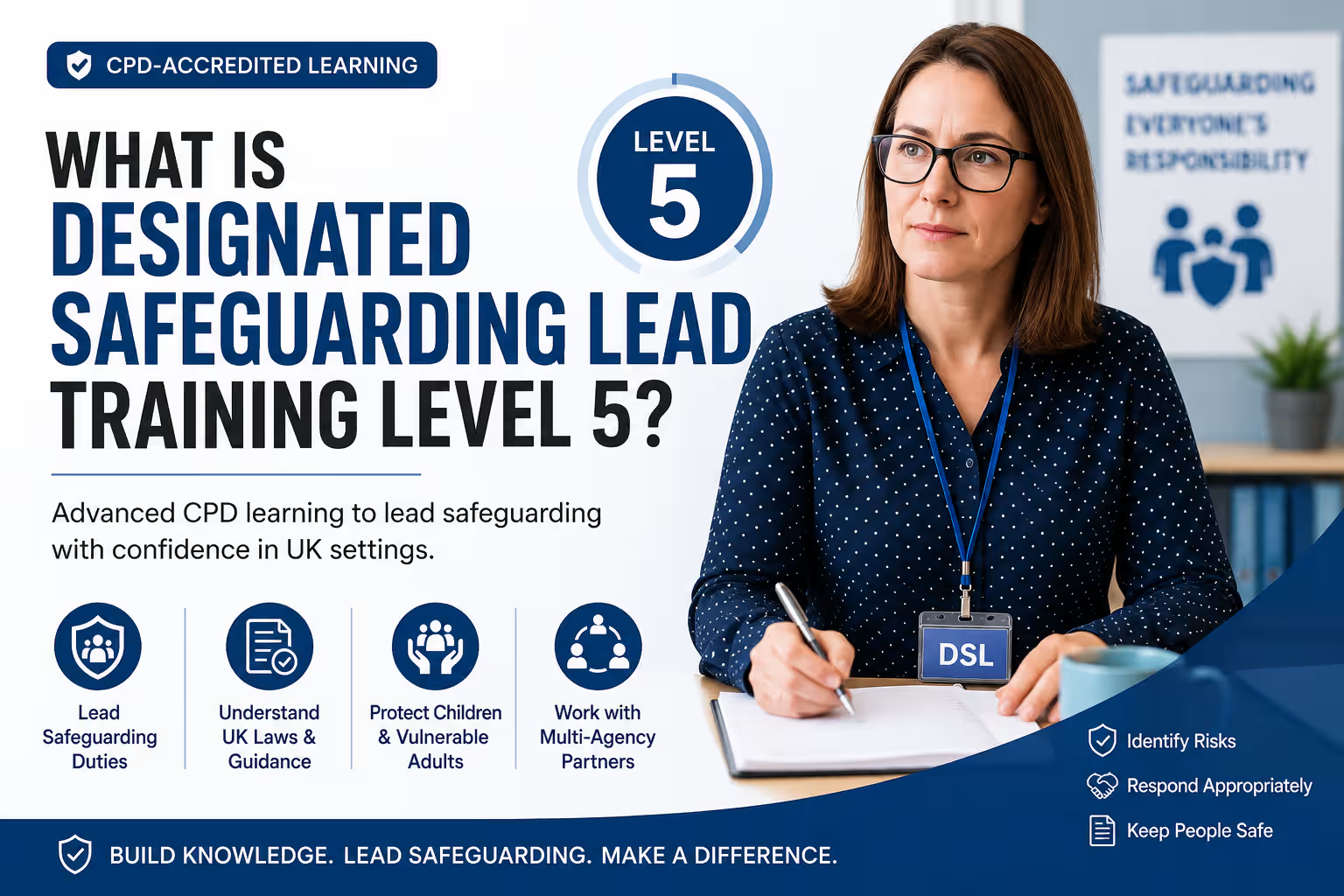
Designated Safeguarding Lead Training Level 5 is advanced CPD-accredited learning for adults who lead or support safeguarding duties in UK settings. It covers abuse, neglect, referrals, records, disclosures, online safety, mental health, and multi-agency working. It helps learners build deeper safeguarding knowledge for education, care, health, and community roles.
What this topic means in CPD learning
Designated Safeguarding Lead training helps people understand how safeguarding works in real settings.
The “Level 5” label shows the depth of learning. It does not make the course a regulated qualification. It also does not replace employer checks, workplace training, local policy, or role-specific supervision.
In CPD learning, this level often covers more detailed safeguarding decisions. Learners look at how to respond to concerns. They also learn how to support staff, share information, manage records, and work with outside agencies.
A Designated Safeguarding Lead is often the main safeguarding contact in a workplace. This person may receive concerns, guide staff, record information, and help make referrals.
What learners usually cover
Learners usually cover practical topics that connect safeguarding knowledge to daily work.
- The role of a Designated Safeguarding Lead
- UK safeguarding law and guidance
- Child protection procedures
- Signs of abuse, neglect, and exploitation
- Child development and safeguarding
- Responding to concerns
- Managing disclosures with care
- Making safeguarding referrals
- Multi-agency working
- Information sharing
- Supporting children and adults at risk
- Online safety and digital risks
- Mental health and wellbeing
- Safe record keeping and confidentiality
Who this learning suits
This learning suits adults who work in or plan to work in roles linked to safeguarding.
It may suit school staff, nursery staff, SENCOs, youth workers, care staff, social care workers, health support workers, charity staff, faith group workers, and volunteers.
It can also support managers, team leaders, pastoral staff, and people who help with safeguarding records or referrals.
How this learning supports real work
Safeguarding work needs calm action. It also needs clear records and careful judgement.
Level 5 DSL training helps learners understand how to respond when someone raises a concern. It supports confidence when a child or adult shares information.
This learning can support safer practice across a team. Staff can feel more prepared when they understand the process.
Studying through a CPD course
Royal Open College offers Level 5 Designated Safeguarding Lead training as a CPD-accredited course. The course covers safeguarding law, child protection, abuse and neglect, disclosures, referrals, risk, mental health, online safety, vulnerable adults, and multi-agency working.
Structured CPD learning helps learners study the topic in clear steps. It also gives them a record of professional development after completion.
View the Level 5 Designated Safeguarding Lead courseWhy this learning matters
Safeguarding protects people who may face harm, abuse, neglect, or exploitation.
A strong safeguarding lead helps others act with care and confidence. Clear training supports better decisions, stronger records, and safer teamwork.
Level 5 DSL learning matters because it helps adults take safeguarding seriously. It supports safer places for children, adults at risk, staff, families, and wider communities.
Simple takeaway
Level 5 DSL training supports deeper safeguarding knowledge. It helps learners understand concern handling, referrals, records, and safer practice in UK work settings.