
🌞 Summer Sale! Get any Course for £11.99 Only!
Offer ends soon! 00 : 00 : 00
Use Coupon Code 👇
SUMMER98
Typical Daily Duties of a Nursing Assistant in the UK

Typical Daily Duties of a Nursing Assistant in the UK

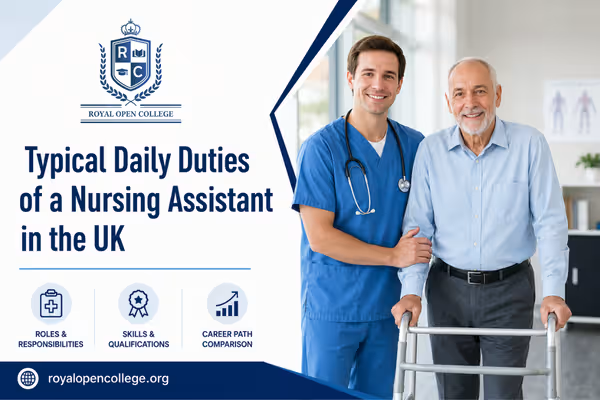
A nursing assistant in the UK helps patients with daily care, meals, mobility, comfort, basic observations, and reporting concerns. Duties vary by workplace, supervision, employer policy, and training.

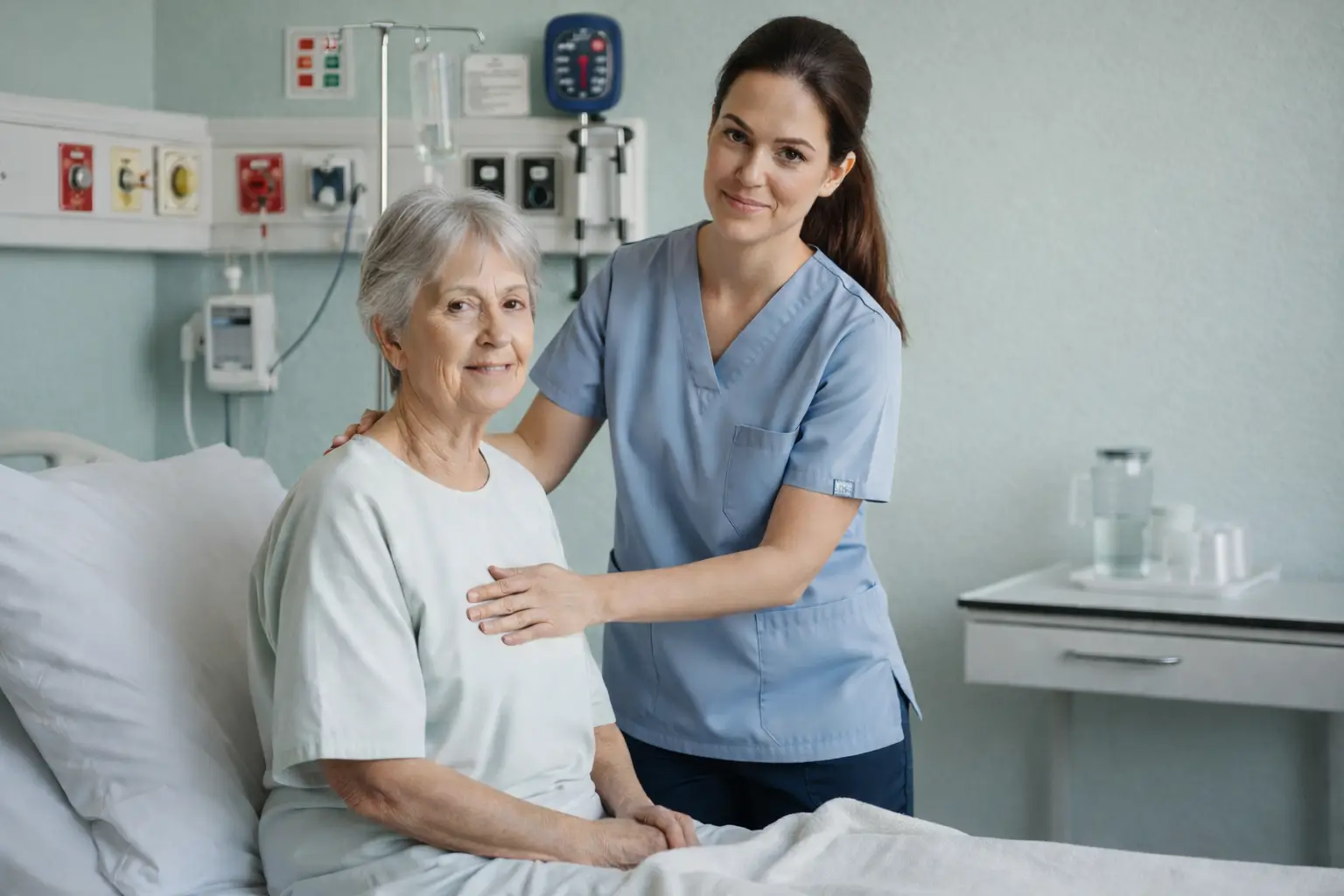
A nursing assistant in the UK spends most of the day supporting patients with care, comfort, dignity, and safety. The role is practical, busy, and very people-focused. You may see it advertised as Healthcare Assistant, HCA, Healthcare Support Worker, Clinical Support Worker, or Nursing Assistant.

A nursing assistant’s day can be busy, emotional, and rewarding, from helping someone wash with dignity to noticing small changes in their wellbeing. If you want to build your care knowledge before stepping into this kind of role, Royal Open College’s Level 3 Diploma in Nursing Assistant Complete Training offers CPD learning in key areas such as patient care, safeguarding, infection control, communication, and records. Employer training and workplace competency checks still apply. 

Quick recap

  • Nursing assistants support patients with personal care, meals, mobility, comfort, basic observations, and care records.
  • Daily duties depend on the workplace, job description, supervision, training, and employer policy.
  • In the UK, this role may also be called Healthcare Assistant, HCA, Healthcare Support Worker, or Clinical Support Worker.

What does a nursing assistant do each day?

A nursing assistant helps patients get through the day with more comfort and less stress. That might sound simple, but it matters a lot. Many patients feel weak, anxious, embarrassed, or unsure. A kind assistant can make the day feel safer.

You may work under a registered nurse, senior carer, ward manager, or clinical team. Your job is to support care, notice changes, and report concerns quickly. You are often the person who spends the most time with patients, so your observations can be very important.

What personal care duties are common?

🫶

Personal care is one of the biggest parts of the job.

🚿 Wash & Shower
👕 Dress
🦷 Brush Teeth
🚻 Use Toilet
👗 Change Clothing
🛏️ Get Comfortable in Bed
💬

Explain what you are doing

🔒

Protect privacy

🤲

Give the person as much choice as possible

"

A patient may feel embarrassed about needing help. Your calm voice and respectful approach can make a big difference.

Do nursing assistants help with meals and hydration?

Yes, very often. You may serve meals, help someone sit up safely, support them with eating, and encourage drinks throughout the day.

You may also record food and fluid intake if the care plan requires it. This is important for people who are frail, recovering from illness, living with dementia, or at risk of dehydration. If a patient suddenly eats less, coughs while eating, or refuses drinks, you should tell the nurse or senior staff member.

Do nursing assistants take observations?

In many settings, nursing assistants may take basic observations after training and workplace sign-off. These can include temperature, pulse, blood pressure, breathing rate, oxygen levels, weight, or blood glucose.

Some Band 3 or senior support roles may include more delegated clinical tasks. Examples may include urinalysis, specimen collection, ECG support, simple wound observations, or helping during clinical procedures. These tasks depend on the role and should only be done within training, supervision, and local policy.

How do duties change by setting?

In an NHS hospital, the day may feel fast. You may support ward routines, personal care, patient movement, meals, observations, and handovers.

In a care home, you may support residents with daily living, continence care, nutrition, dementia care, comfort, and long-term wellbeing.

In a GP surgery or clinic, you may prepare rooms, clean equipment, restock supplies, support health checks, and help nurses during appointments.

In community care, you may visit people at home, support independence, spot risks, and report changes to the care team.

What does a typical shift look like

What does a typical shift look like?

A morning shift may begin with handover. Then you may help patients wash, dress, use the toilet, have breakfast, take fluids, and move safely from bed to chair.

Later, you may check comfort, take observations, help with lunch, support mobility, update records, and report changes. Near the end of the shift, you may tidy spaces, restock items, clean equipment, and share key updates with the next team.

What records and reports do nursing assistants handle?

Good records help keep patients safe. You may update care notes, food charts, fluid charts, mobility records, skin checks, comfort checks, or electronic care systems.

You should report anything unusual. This may include pain, confusion, low mood, breathlessness, skin redness, falls risk, poor appetite, or safeguarding concerns. You do not need to diagnose the problem. You need to notice it and pass it on.

What does a nursing assistant not usually do?

A nursing assistant does not usually diagnose conditions, prescribe medicines, make independent clinical decisions, or replace a registered nurse.

Some tasks may be allowed in one workplace but not another. That is why employer policy, local procedures, supervision, and competency sign-off matter so much.

Common misunderstandings

CNA 🇬🇧 UK Titles

A nursing assistant is not one fixed UK job title. Many employers use:

HCA Healthcare Support Worker Clinical Support Worker Nursing Auxiliary

⚠️ CNA is mainly a US term, not the usual UK title.

📜

A CPD course can support knowledge and confidence, but it is not a licence to practise.

✕ Does Not Guarantee

NHS employment
Band 3 duties
Employer acceptance

✓ Your Role Depends On

📋 Job advert 💼 Experience 📚 Training 🛡️ DBS checks 📝 References 🗣️ Interview ✍️ Workplace sign-off

Recent Blogs

Career Progression After Becoming a Nursing Assistant

Career Progression After Becoming a Nursing Assistant

After becoming a nursing assistant, you can progress into senior healthcare support roles, specialist care areas, nursing associate training, assistant practitioner roles, registered nursing, or adult social care leadership. The right route depends on your experience, workplace, employer support, and further training.

Nursing Assistant Courses Recognised by UK Healthcare Employers

Nursing Assistant Courses Recognised by UK Healthcare Employers

UK healthcare employers may value nursing assistant courses that cover safeguarding, infection control, communication, dignity and care support. Recognition depends on the job role, employer policy, Care Certificate, DBS checks, experience and whether a regulated qualification is required.